
Battery pack swelling is more than just an inconvenience — it’s a serious safety concern that can lead to leaks, fires, or even explosions. But what causes battery swelling, and more importantly, how can you prevent it? Whether you’re an EV owner, a technician, or just curious about battery safety, understanding the causes and preventive measures is crucial.
In this guide, we’ll unlock the common causes of swelling — from overcharging to environmental factors — and share expert tips to keep your battery packs safe and long-lasting. Ready to protect your investment? Let’s get started.
Understanding Battery Pack Swelling
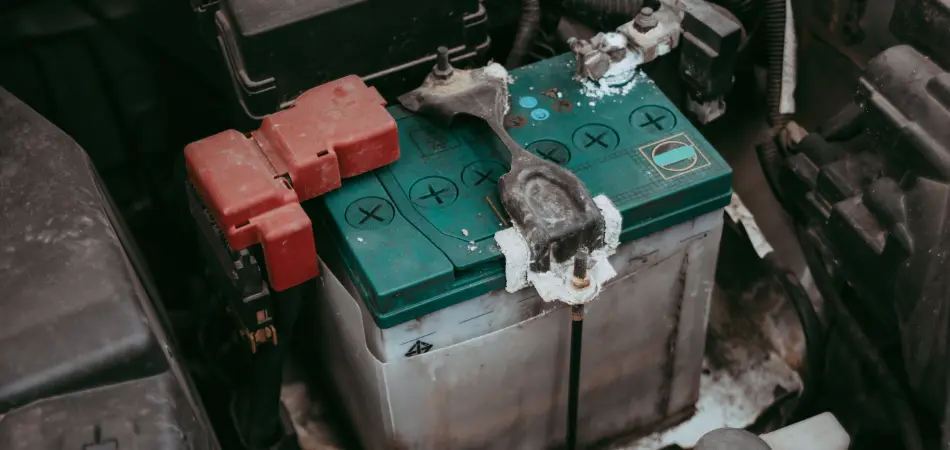
Have you ever noticed a battery pack that looks puffed up or bloated? That’s what we call battery pack swelling—a clear sign something isn’t right. Swelling happens when gases build up inside the battery, causing the pack to expand or bulge. It’s not just a cosmetic issue; it’s a serious safety concern for electric vehicles (EVs) and energy storage systems.
Common Signs of a Swollen Battery Pack
- Visible bulging or casing deformation
- Heat buildup during charging or use
- Reduced battery performance or shorter range
- Unusual sounds or rattling
- Sudden loss of capacity
If you see any of these signs, don’t ignore them. Swollen batteries are dangerous—they can lead to fires or toxic leaks if left unchecked.
Why Swelling Is Dangerous for EVs and Energy Storage
Swelling isn’t just about a battery looking puffed up; it signals internal problems that could cause a thermal runaway—a dangerous chain reaction leading to fires or explosions. Gas buildup happens inside lithium-ion batteries when chemical reactions go wrong, often due to overcharging, overheating, or physical damage. This gas accumulation gradually pushes against the casing, causing swelling, and increasing the risk of severe safety hazards.
Understanding how gas buildup inside lithium-ion batteries leads to swelling is key—you want to stop it before it becomes a crisis. Proper awareness and early detection are your best tools for safety and battery longevity.
Common Causes of Battery Pack Swelling
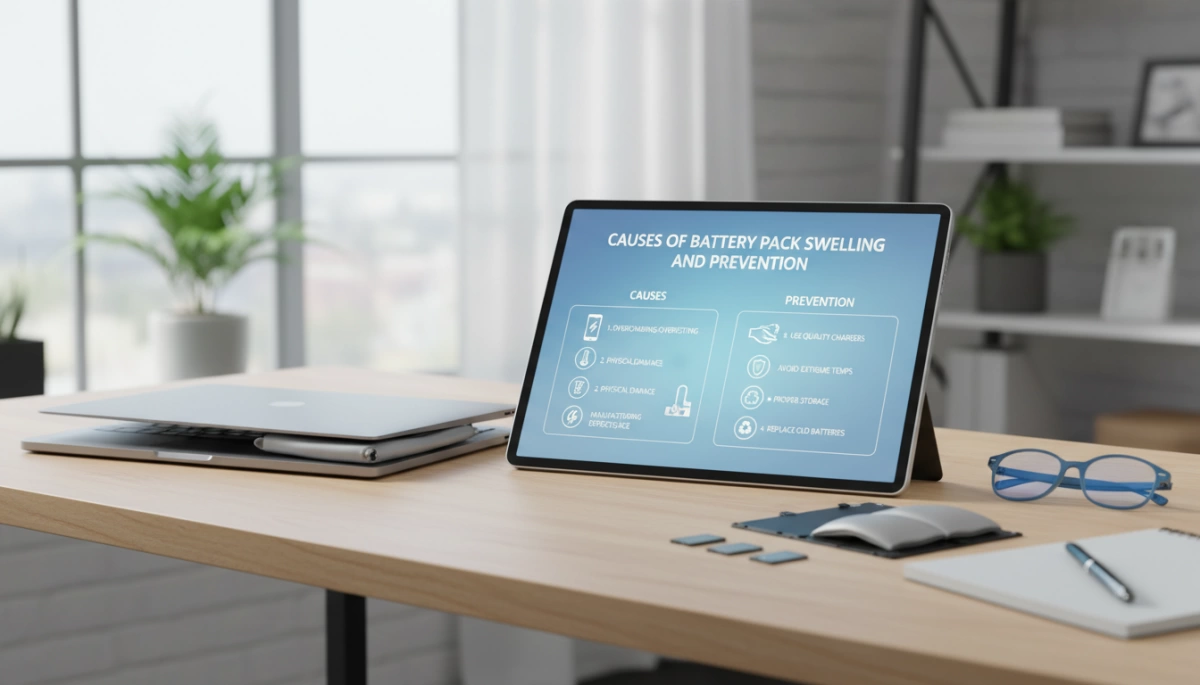
Battery pack swelling often happens due to a few common mistakes or environmental factors. Understanding these causes can help you prevent costly damage or safety hazards.
One major cause is overcharging and voltage stress. When you charge your electric vehicle (EV) or energy storage system beyond recommended limits, it can lead to excessive gas buildup inside the lithium-ion batteries. This is why using proper charging practices is crucial. Battery swelling solutions include avoiding overuse of high-voltage chargers.
Another cause is overheating and exposure to high temperatures. Batteries are sensitive to heat, and prolonged high-temperature exposure can accelerate cell degradation. This environmental stress not only shortens the battery’s lifespan but can also cause casing bulge or swelling.
Physical damage, impact, and punctures are also common causes. A sudden impact or accident can crack or deform the battery casing, which might lead to internal gas buildup and swelling. Similarly, manufacturing defects and poor quality control can introduce weak spots that develop into swelling over time.
As batteries age, cell degradation and wear over time cause the internal chemistry to change, increasing the risk of gas formation and swelling. Additionally, factors like humidity, temperature swings, and other environmental stresses can accelerate these processes, particularly if batteries are stored or used in suboptimal conditions.
Lastly, improper charging, usage, and incompatible chargers are often overlooked but vital causes. Using chargers that aren’t suited for your battery can cause voltage stress or uneven charging, increasing the chances of swelling. Always follow the manufacturer’s recommendations for charging and usage to protect your battery and maximize its lifespan.
By understanding these causes, you can better protect your EV battery pack from swelling and avoid dangerous safety hazards.
Risks of a Swollen Battery Pack
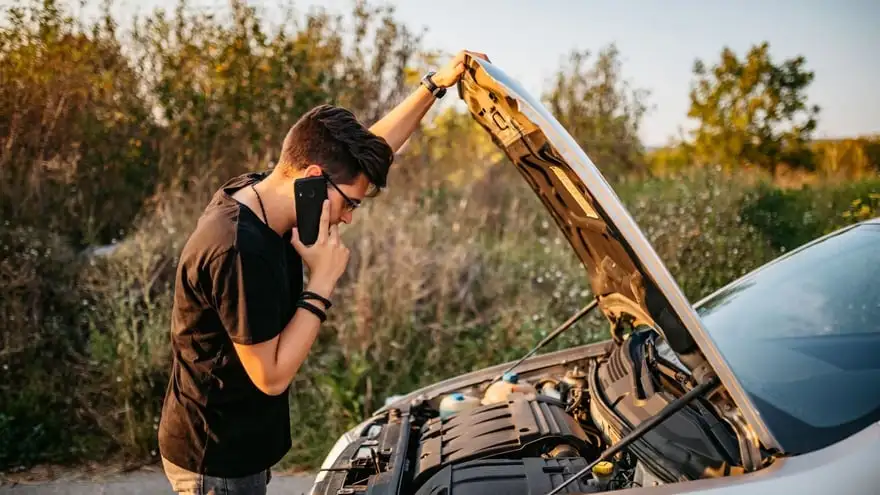
A swollen battery pack isn’t just a minor issue — it can cause serious safety hazards. One of the biggest dangers is thermal runaway, where the battery heats uncontrollably, increasing the risk of a fire. This can happen suddenly and be very difficult to control, especially in electric vehicles (EVs) and energy storage systems.
Leakage and the release of toxic gases are another concern. When the battery casing bulges or cracks, it may leak harmful chemicals, posing health risks and environmental hazards. These gases can be toxic and corrosive, requiring proper handling and disposal.
A swollen battery pack also leads to significant performance drops and reduced capacity. You might notice less miles per charge or slower charging times, which affects daily use and long-term reliability. Over time, this shortens the battery lifespan — forcing you to replace the entire pack sooner than expected.
The costs add up fast. Repairing or replacing a damaged battery pack can be expensive, often costing thousands of dollars. Plus, improperly disposing of swollen batteries can cause environmental damage, as toxic materials can seep into soil and water supplies if not recycled correctly.
Because of these risks, recognizing the warning signs early and taking preventive steps, like proper maintenance and storage, is key to avoiding costly damage and safety hazards.
How to Prevent Battery Pack Swelling
Proper battery management is key to avoiding common causes of battery pack swelling and extending your battery’s lifespan. Here’s what I recommend:
- Use proper charging practices: Always charge your battery with a compatible, high-quality charger and follow the manufacturer’s guidelines. Avoid quick-charging options unless specifically designed for that purpose to minimize heat buildup and stress on the cells. You can also check out our best charging practices with durable leapenergy battery packs for more tips.
- Avoid overcharging and deep stress cycles: Overcharging can lead to lithium-ion battery swelling due to gas buildup inside the cells. Make sure your charger has overcharge protection, and unplug the battery once fully charged. Also, don’t regularly drain the battery completely—a deep discharge can accelerate cell degradation.
- Keep batteries within safe temperature ranges: Batteries tend to swell when exposed to excessive heat. Use temperature management systems whenever possible, especially during fast charging or in hot climates, to prevent overheating. Proper thermal management is essential. If you’re interested, see how battery thermal management systems help maintain safe operating temperatures.
- Store batteries in cool, stable conditions: When not in use, store your batteries in a cool, dry place away from direct sunlight. Avoid extreme temperature swings as they can cause battery casing bulge and accelerate aging.
- Inspect for bulging, damage, or abnormal heat: Periodically check your batteries for signs of swelling, physical cracks, or excessive heat during use. Early detection can prevent more serious safety hazards.
- Use high-quality batteries from trusted manufacturers: Not all batteries are created equal. Investing in reputable, high-quality products minimizes risks like manufacturing defects that can lead to swelling. Also, reliable batteries often include advanced safety features.
- Rely on a battery management system (BMS) for protection: A smart BMS monitors voltage, temperature, and current regularly to prevent overcharging, overheating, and cell degradation. Learn more about how a battery management system benefits your battery’s safety.
- Follow usage manuals and operating limits: Always adhere to the manufacturer’s guidelines for charging, discharging, and operating conditions. Staying within recommended limits helps prevent swelling and other safety hazards.
By applying these tips, you can significantly reduce the risk of battery pack swelling and keep your EV or energy storage system safe and reliable.
Battery Management System Protection
A Battery Management System (BMS) is crucial for keeping your EV battery pack safe and healthy. It actively monitors key parameters like voltage, temperature, and current, ensuring everything stays within safe limits. Proper control of these factors is essential to prevent lithium-ion battery swelling, which can be caused by gas buildup or cell degradation. When the BMS detects abnormal conditions, it can automatically pause charging, limit power output, or shut down the system to avoid damage.
Why a smart BMS helps prevent swelling is simple: it helps avoid overcharging and overheating, the main causes of battery pack damage risks. By balancing individual cells and controlling temperature, a reliable BMS reduces the chances of thermal runaway and fire risk. This added layer of protection is vital to extend battery pack lifespan and avoid costly repairs.
However, there are signs that the BMS may not be working properly. If you notice your EV battery is overheating, swelling, or experiencing unexpected capacity loss, it’s a good idea to have the system checked. Even slight issues can lead to dangerous situations like a battery casing bulge or toxic gas release. For better safety, many manufacturers now incorporate advanced BMS features, including integration with high-voltage systems, which enhances EV battery safety and prevents swelling caused by voltage stress or aging. You can learn more about how BMS plays a role in EV battery safety by visiting this battery safety and management guide.
Battery Storage Best Practices
Storing your battery pack properly is key to preventing swelling and ensuring it lasts as long as possible. For long-term storage, keeping the batteries at the right charge level is essential. Experts recommend maintaining a charge around 40-60%, as this reduces stress on the cells and slows down aging. Avoid fully charging or discharging the pack before storing it, since extreme voltage stress can accelerate battery cell degradation.
In hot climates, heat is one of the main factors that can cause lithium-ion battery swelling and damage. Store batteries in a cool, dry place, ideally between 65-77°F (18-25°C). If you live in a particularly warm area, consider using insulation or a climate-controlled space to protect your energy storage system from overheating. Conversely, in cold weather, batteries can become less efficient and are more prone to damage from severe temperature swings. It’s best to keep them in a stable environment, away from freezing temperatures, and avoid exposing them to rapid temperature changes.

There are also some precautions you should avoid during storage. Don’t leave batteries in direct sunlight, near heat sources, or in damp environments—these conditions can speed up deterioration and increase the risk of swelling. Additionally, don’t store batteries in a fully discharged state for long periods, as this can lead to deep discharge damage.
Regular inspection is a must—check your stored packs every 3 to 6 months. Look for signs of bulging, corrosion, or abnormal heat, which could indicate swelling or other damage. Addressing issues early can help you avoid costly repairs or dangerous situations down the line. Proper storage is a simple but effective way to extend your battery pack lifespan and keep it functioning safely over time. For more details on safe battery storage, check out battery storage best practices.
What to Do If a Battery Pack Swells
If you notice your battery pack swelling, it’s crucial to act quickly and safely. First, stop using the battery immediately to prevent further damage or potential safety hazards. Swollen batteries are often a sign of gas buildup inside lithium-ion batteries, which can lead to dangerous situations like thermal runaway or fires.
Next, keep the swollen battery away from heat sources and flammable materials, such as paper or gasoline, because the risk of fire or toxic gas leakage increases with heat. Do not try to press, puncture, or repair the battery yourself—this can cause dangerous chemical leaks or even explosions. Instead, contact a certified technician or the battery manufacturer for proper handling and disposal. They are trained to safely manage swollen batteries and minimize environmental damage.
Finally, follow the proper disposal and recycling steps recommended for energy storage batteries. Many communities have specialized recycling centers for lithium-ion batteries to prevent environmental contamination and reduce hazards. Remember, handling a swollen battery safely is essential to protect yourself and the environment from potential risks associated with battery gas buildup or toxic gas release.
Battery Safety Tips for EV Owners
Keeping your EV battery pack in good shape isn’t just about performance — it’s about safety, too. Developing daily habits that protect your battery health can prevent issues like battery swelling and ensure your EV runs smoothly for years to come.
Daily habits to protect battery health
- Use proper charging practices: Always charge your battery within the recommended voltage and current limits. Avoid using incompatible chargers that could cause voltage stress, which is a common cause of lithium-ion battery swelling.
- Monitor temperature: Keep your vehicle in a cool, shaded area whenever possible. Overheating is a major factor that accelerates battery cell degradation and can lead to swelling. Regularly check for heat buildup during charging or use.
- Slow and steady charges: When possible, charge gradually rather than quickly. Fast charging can cause excessive heat and stress on the battery, increasing the risk of damage.
Charging mistakes to avoid
- Overcharging: Leaving your EV plugged in beyond 100% can cause harmful overvoltage and gas buildup inside the battery, raising swelling risks. Use a quality battery management system (BMS) to prevent overcharging.
- Deep discharges: Draining your battery to very low levels repeatedly wears out the cells prematurely, speeding up cell degradation. Try to keep your battery between 20-80% for longer lifespan.
- Incompatible chargers: Always use manufacturer-recommended chargers to ensure proper voltage and current controls, reducing the chance of damaging the battery and causing swelling.
When to get a professional inspection
- If you notice abnormal heat, a strange smell, or visible bulging, it’s time to consult a certified technician. Routine inspections can help detect early signs of battery damage or swelling before they become hazardous.
- Regular check-ups are especially important after any impact or impact-related damage, as physical trauma can sometimes cause internal cell damage leading to swelling.
How to spot early warning signs
- Casing bulge or swelling
- Unusual heat during operation or charging
- Rapid battery drain or reduced driving range
- Persistent overheating or irregular behavior
Simple ways to extend battery pack lifespan
- Follow your vehicle’s operating manual and stay within the recommended operating limits.
- Keep your battery within optimal temperature ranges—using cooling systems if available.
- Store your batteries in cool, stable conditions if you won’t be driving for a while. Avoid exposing them to extreme heat or cold, which can cause side effects like gas buildup and cell degradation.
- Use high-quality, trusted batteries from reputable manufacturers to ensure better overall safety and durability.
- Rely on your vehicle’s battery management system (BMS) for ongoing protection against overcharge, overheat, and imbalance issues. For more on how BMS protects against swelling, check out our EV battery pack standards for driving safety.
By staying proactive with these safety tips, you’ll reduce the risk of battery swelling, fire hazards, and costly repairs, helping your EV stay safe and reliable for years.
 English
  German
  Chinese
  Spanish