
Are you maximizing your EV fleet’s potential with the right charging practices? Efficient charging not only reduces costs but also extends battery life and boosts vehicle uptime—critical factors for any fleet operator. In this guide, you’ll learn proven strategies to optimize infrastructure, implement smart scheduling, and overcome common charging challenges. Ready to power your fleet smarter and more sustainably?
Understanding EV Fleet Charging Needs
Managing an electric vehicle (EV) fleet isn’t just about plugging in vehicles; it requires a clear understanding of how charging fits into your daily operations. Fleet operators face unique challenges when it comes to EV charging, and knowing the key factors helps optimize both vehicle performance and costs.
Key Factors Influencing EV Fleet Charging Plans
- Duty cycles: How your fleet vehicles are used daily impacts how often and how quickly they need to be charged.
- Daily mileage: Longer daily routes may call for faster charging options or higher-capacity infrastructure.
- Dwell times: Time parked at depots or charging stations influences the choice between depot charging or on-route and opportunity charging.
- Fleet size: Larger fleets require scalable EV fleet energy management and reliable charging infrastructure.
Depot Charging vs. On-Route and Opportunity Charging
- Depot charging: Usually involves Level 2 AC chargers at your main facility, ideal for overnight charging and fleet-wide management.
- On-route charging: Rapid Level 3 DC fast chargers used during breaks or short stops on routes.
- Opportunity charging: Quick top-ups during idle times, perfect for high-utilization fleets needing quick turnaround.

Why Fleet Charging Differs from Consumer EV Charging
Unlike personal EV charging, fleet charging must be predictable and cost-efficient. Fleet operators benefit from:
- Reliable availability: Ensuring vehicles are charged and ready when needed.
- Lower total cost of ownership: Optimizing energy use reduces costs over vehicle lifespan.
How Predictability and Cost Shape Charging Plans
- Availability: Charging schedules are designed around operational needs to keep vehicles ready.
- Cost savings: Off-peak, time-of-use rate planning minimizes electricity expenses.
- Total cost of ownership (TCO): Proper planning extends battery life and reduces maintenance costs.
By understanding these core aspects, fleet operators can build effective, scalable charging strategies that support efficient, sustainable fleet operations.
Choosing the Right Charging Infrastructure
When it comes to EV fleet charging, picking the right infrastructure is essential for smooth operation and long-term cost savings. You’ll want to consider the difference between Level 2 AC charging and DC fast charging for fleet use. Level 2 chargers are ideal for daily depot charging—they’re reliable, cost-effective, and support high system performance. However, if your fleet needs quick turnaround times, especially for on-route or opportunity charging, DC fast chargers can fill that gap with rapid energy delivery. But keep in mind, frequent use of high-power fast chargers can impact battery longevity, so it’s worth reviewing how to optimize battery health in your plan.
Another critical factor is vehicle-to-charger ratios and designing scalable charger layouts. This means planning for enough chargers to match your fleet size and considering future growth, so your infrastructure can expand without interrupting operations. A good site assessment focusing on power capacity, grid readiness, and physical space is key. If your current electrical system isn’t ready, upgrades might be needed, which can affect project timelines and costs.
Standardizing charging setups across multiple locations simplifies fleet management, reduces driver training time, and cuts down on maintenance issues. Consistent hardware and software configurations help keep the entire system reliable and easier to monitor. For more insights on how high-power fast charging impacts battery life, see this high-power fast charging effects on EV battery cycle life.
Smart Charging and Energy Management
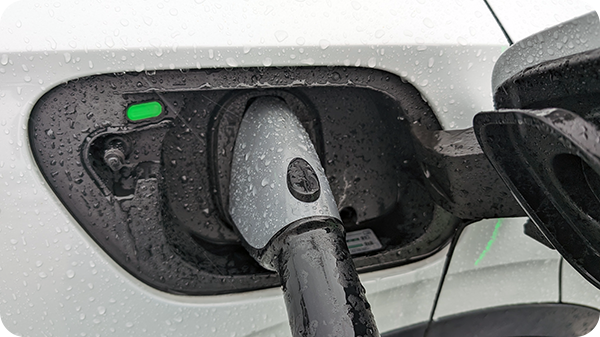
Effective EV fleet charging depends heavily on smart charging software that schedules and automates charging sessions. These systems help optimize when and how your vehicles recharge, reducing downtime and overall energy costs. By leveraging telematics and real-time energy monitoring, fleet operators can gain insight into charging patterns and make smarter decisions on the fly.
Load balancing is crucial to avoid peak demand charges that can inflate energy costs. Smart systems automatically distribute charging loads across the available power capacity, preventing overloads and ensuring stable operation. Planning off-peak charging during nights or weekends, especially with time-of-use rate plans, can significantly lower electricity expenses.
Additionally, vehicle-to-grid (V2G) options are gaining traction for fleet upgrades. V2G allows EVs to send excess energy back to the grid during high-demand periods, providing an extra revenue stream or backup power when needed. Integrating these smart energy management practices helps fleets maximize sustainability, reduce costs, and support the stability of local electrical grids. For more on efficient energy systems, check out this residential energy management.
Battery Health and Longevity
Maintaining battery health is essential for maximizing the lifespan of your EV fleet. One simple yet effective best practice is following the 20-80% state of charge rule for daily charging. This approach helps reduce stress on the battery, preventing unnecessary wear and tear over time. Unlike frequent rapid charging, sticking within this charge window keeps your batteries performing at their best for longer.
Knowing when to opt for slower charging instead of DC fast charging is another key point. Fast charges generate more heat and put more strain on the battery, which can accelerate aging if done regularly. Instead, plan for slower Level 2 AC charging during overnight or downtime periods, supporting battery longevity and system reliability.
Temperature management also plays a big role in preserving battery health. Preconditioning the vehicle before charging or driving helps keep the battery within the optimal temperature range, especially in extreme weather conditions. Additionally, heat reduction measures, like cooling systems, can prevent overheating during high-demand periods, ensuring stable operation.
Finally, preventive maintenance for both your vehicles and charging equipment is crucial. Regular checks and timely repairs reduce the chances of unexpected failures, keeping your fleet’s energy system performing reliably over the long haul. For insights into advanced battery care strategies and future trends, see how emerging technologies aim to improve EV battery longevity.
Fleet Charging Challenges
One of the biggest hurdles for fleet operators using EVs is dealing with grid constraints and limited electrical capacity. Many depots or charging sites simply aren’t built to handle large-scale charging needs, which can cause bottlenecks and delays. To manage this, some companies explore scalable EV charging solutions that grow with their fleet, ensuring infrastructure can keep up as demand increases.

Charging congestion is another common issue, especially during peak times when multiple vehicles are charging simultaneously. This can lead to downtime, affecting fleet operations and delivery schedules. Smart charging schedules for fleets and load balancing techniques can help ease these pressures, making sure vehicles are ready when needed without overloading the system.
High upfront infrastructure costs can be a concern, particularly when rolling out charging stations across multiple locations. Phased rollout options allow fleets to expand gradually while minimizing initial capital expenditure. Additionally, a solid understanding of electric vehicle fleet energy management helps optimize spending and resource allocation.
Driver training and enforcing proper charging policies are crucial to keep operations running smoothly. Proper education on charging best practices can prevent damage to EV batteries and chargers, extending their lifespan. For instance, understanding when to use depot charging versus opportunistic or on-route charging becomes even more critical as fleet size scales up.
As your fleet grows, scaling the charging systems without sacrificing reliability or efficiency is key. This involves strategic planning, investing in scalable infrastructure, and leveraging advanced energy management tools to support long-term growth and sustainability.
Tracking Performance and Long-Term Optimization
For fleet operators, staying on top of key metrics like energy cost per mile, vehicle uptime, battery health, and return on investment (ROI) is crucial. These data points help identify areas to improve efficiency and reduce operating costs over time. Using fleet management platforms that integrate telematics and charging data allows for real-time analysis, making it easier to spot issues before they become costly.
Continuous improvement comes from analyzing charging patterns, usage trends, and battery performance. This helps refine smart charging schedules and ensure you’re maximizing the lifespan of your EV batteries, which is essential for maintaining low total cost of ownership. Emerging trends, such as advanced forecasting tools, bidirectional charging (vehicle-to-grid), and the integration of renewable energy sources, are also shaping the future of EV fleet energy management.
By tracking these performance indicators and adapting your strategies accordingly, you can optimize your fleet operations, improve system reliability, and stay ahead in sustainable fleet electrification practices. For deeper insights into battery longevity and system performance, consider exploring electric battery pack technology trends.
 English
  German
  Chinese
  Spanish