
What Are IP Ratings for Battery Packs?
Have you ever wondered how rugged your battery pack really is? That’s where IP ratings come in. IP stands for Ingress Protection, a standard that measures how well a battery enclosure can block dust, water, and other elements from getting inside. If you’re choosing a battery pack for outdoor use or tough environments, understanding IP ratings is essential.
Ingress Protection Meaning
Ingress Protection (IP) is a way to show how resistant a device is to dust and liquids. For battery packs, this means knowing if they can handle exposure to rain, dirt, or even high-pressure water jets. The IP code gives you a quick, clear idea of how protected the battery is.
IP Code Basics for Battery Enclosures
The IP rating is a two-digit code (like IP67) that tells you about dust and water resistance:
- First digit: dust and solid particle protection
- Second digit: water and liquid ingress protection
Sometimes, you’ll see letters like “X” in the code, meaning that parameter hasn’t been tested or defined.
Why IP Ratings Matter for EV and Rugged Battery Packs
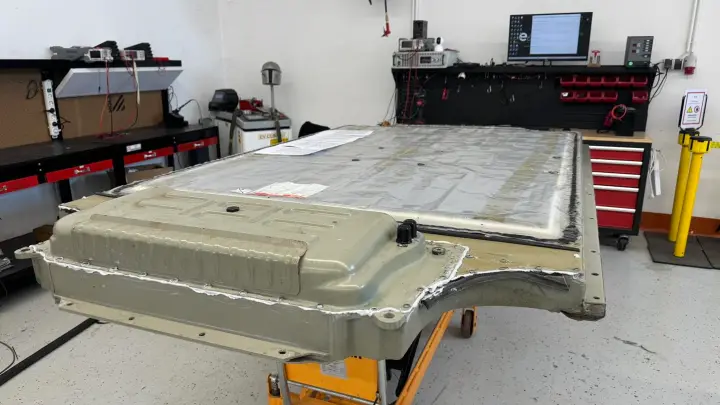
For electric vehicle (EV) batteries and rugged industrial packs, durability is critical. A high IP rating ensures the battery can withstand harsh conditions—rain, mud, dust, or high-pressure cleaning—without failure.
If you’re purchasing or designing a battery pack for outdoor or industrial use, knowing its IP rating helps:
- Protect your investment
- Ensure safety and compliance
- Reduce risks of failure in demanding environments
How IP Ratings Work
IP ratings for battery packs are made up of two main digits that tell you how well the enclosure protects against dust, dirt, water, and liquids. Understanding what these numbers mean helps you choose the right battery pack for your specific needs, whether it’s for outdoor use, industrial environments, or electric vehicles.
First digit: Dust and solid particle protection
The first number shows how well the battery enclosure keeps out dust, dirt, and other solid particles. Here’s a quick breakdown:
- 0: No protection against solid objects
- 1: Protects against large objects like hands
- 2: Protects against smaller objects like fingers
- 3: Keeps out tools and larger debris
- 4: Blocks most dust, making the enclosure dust-resistant
- 5: Dust can enter but won’t interfere with operation (dust protected)
- 6: Fully dust-tight; no dust ingress allowed
For many EV and rugged battery packs, a 6 rating is common, ensuring they’re completely protected from dust, which can impair performance or cause damage over time.
Second digit: Water and liquid ingress protection
The second number indicates how well the enclosure prevents water from entering. Here’s what the ratings cover:
- 0: No protection
- 1: Protects against vertically dripping water
- 2: Protects against dripping water when tilted up to 15°
- 3: Resists sprays of water at an angle up to 60°
- 4: Can handle splashes from any direction
- 5: Resistant to low-pressure jets of water
- 6: Resists high-pressure, high-temperature water jets (common in industrial cleaning)
- 7: Protects against immersion up to 1 meter for 30 minutes
- 8: Suitable for continuous immersion beyond 1 meter, under conditions specified by manufacturer
- 9K: Can withstand high-pressure, high-temperature water jets, often used in harsh cleaning or washdown environments
When choosing a battery pack, knowing whether it needs protection from rain, washdowns, or immersion can make a big difference in selecting the right IP rating.
What the letters and numbers mean in real use
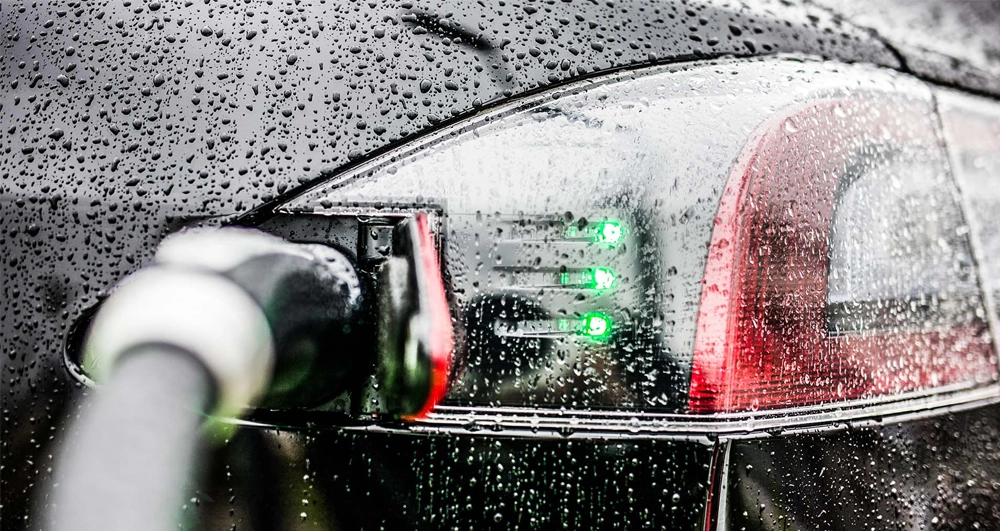
For example, an IP67 rating means the battery is dust-tight and can resist immersion up to 1 meter for half an hour. This makes it suitable for outdoor or splash-prone environments, but maybe not for continuous immersion or high-pressure cleaning.
Similarly, an IP68 rating offers the same dust protection but with more reliable water resistance, often for longer or deeper immersion, depending on the manufacturer’s tests.
Understanding these numbers can help you evaluate whether a battery pack is suitable for outdoor, industrial, or automotive use. If you need more details on testing standards and how to choose the right IP rating for your application, check out our guidelines on how to evaluate battery system suppliers during prototype stages.
IP67 for Battery Packs
IP67-rated battery packs offer dust-tight protection, meaning no dust or solid particles can enter the enclosure, ensuring the internal components stay clean and protected. This level of sealing makes IP67 battery packs ideal for outdoor use where dust or dirt might be an issue, such as construction sites or off-road vehicles.
Additionally, IP67 provides immersion resistance up to 1 meter for 30 minutes. This feature is especially useful if the battery pack might be accidentally splashed or briefly submerged, such as in rain or mud. It’s a common choice for outdoor environments where exposure to water is possible but not continuous or high-pressure.
Best use cases for IP67 rated battery packs include outdoor equipment, portable devices, and equipment used in splash-prone environments. They’re great for applications where moderate water exposure or dust protection is needed without needing full waterproofing.
However, it’s important to understand what IP67 does and does not protect against. While it can withstand dust ingress and brief immersion, it does not protect against continuous water pressure, high-pressure jets, or prolonged submersion. For those needs, higher IP ratings like IP68 or IPX9K are more appropriate. For more details on selecting the right protection level, check out our guide on how IP ratings affect battery pack durability.
IP68 for Battery Packs
IP68 offers the highest level of dust-tight protection for battery packs, ensuring they are fully protected against dust penetration. Plus, it provides continuous immersion protection, meaning the battery can be submerged in water for extended periods without damage—ideal for outdoor or industrial environments.
However, it’s important to note that IP68 ratings depend heavily on manufacturer testing conditions. Not all IP68-rated batteries are tested the same way, so actual performance can vary. Always check the manufacturer’s specific test procedures to verify real-world durability.
In some cases, choosing IP68 makes more sense than IP67, especially when your battery pack will be exposed to prolonged water immersion or harsh conditions. For example, if you expect the battery to be submerged regularly or face intense cleaning processes, an IP68-rated pack offers peace of mind that dust and water ingress won’t compromise safety or functionality.
IPX9K for Battery Packs
Unlike other IP ratings, IPX9K doesn’t specify a protection level against dust particles. Instead, it focuses on resistance to high-pressure, high-temperature water jets. This makes it especially useful for environments where batteries could be exposed to intense cleaning processes.
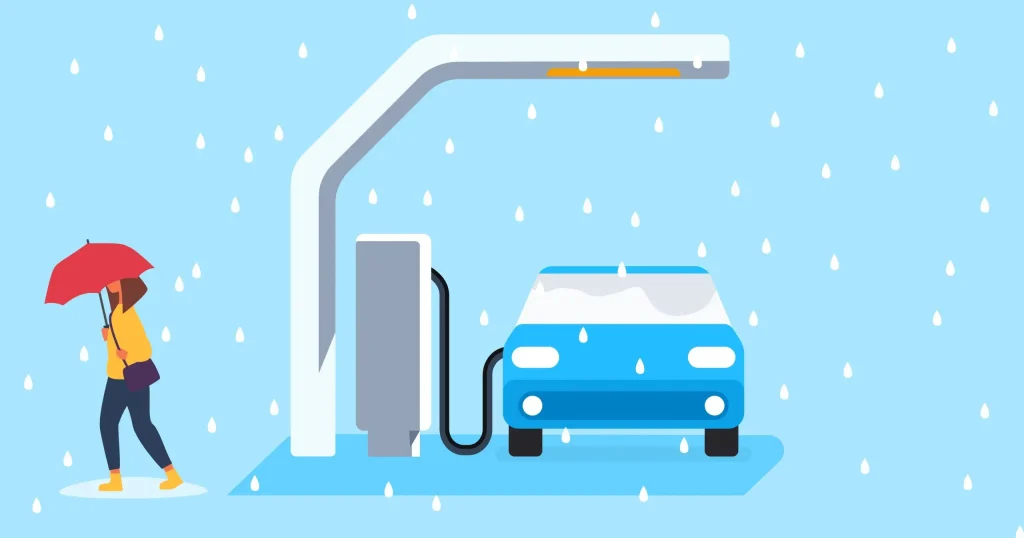
You’ll often see IPX9K ratings in automotive and industrial battery systems that are regularly washed down with powerful water jets. Vehicles used in construction, agriculture, or even racing might need this level of protection to withstand harsh cleaning routines without risking water ingress.
In those settings, ensuring that the battery pack can handle high-pressure water streams is critical for maintaining long-term durability and safety. If your application involves frequent washdowns or exposure to extreme water conditions, choosing a battery with an IPX9K rating makes a lot of sense. This rating offers a good balance between durability and performance, especially when other IP ratings fall short in harsh environments.
IP67 vs IP68 vs IPX9K: Key Differences in Dust and Water Protection
When comparing IP67 vs IP68 vs IPX9K ratings, it’s important to understand how each protects against dust and water, and how testing standards influence their reliability.
Dust Protection: Key Differences
- IP67 and IP68 both offer dust-tight protection, which means no dust can enter the enclosure and interfere with the battery’s function. This is critical for outdoor or industrial environments where dust can cause damage over time.
- IPX9K does not specify dust protection, focusing only on water resistance. This rating is common for batteries used in high-pressure cleaning applications, where dust is less of a concern.
Water Protection: Key Differences
- IP67 protects against immersion in water up to 1 meter for 30 minutes. It’s suitable for splash-prone outdoor environments but not for continuous water exposure.
- IP68 goes beyond IP67 with continuous immersion protection, but the exact conditions depend on the manufacturer’s testing standards. For example, some may test for deeper or longer immersion, so always check specifications.
- IPX9K offers resistance to high-pressure, high-temperature water jets. It’s tailored for environments with intense washdowns, like industrial or automotive settings, but doesn’t specifically address dust.
How the Testing Standards Differ
- For IP67 and IP68, testing involves controlled immersion in water for specified durations and depths, making them reliable for most outdoor or marine use. However, IP68 testing can vary between manufacturers, so certification consistency is essential.
- IPX9K testing focuses on high-pressure water jets, like those from spray bars or power washers. It’s more about durability against forceful water impact rather than prolonged immersion.
Which Rating Fits Best for Your Environment?
- Use IP67 if your battery pack will be exposed to occasional splashes or light rain, but not continuous water submersion.
- Choose IP68 for applications with prolonged water exposure, like underwater or deep outdoor use, but check the specific standards manufacturer-tested.
- Opt for IPX9K if your battery will face heavy cleaning, pressure washing, or environments with intense water jets.
Knowing these differences helps in selecting the right battery pack IP ratings for your needs, ensuring safety, durability, and compliance in the right environment. If you’re considering rugged or sea-facing applications, understanding waterproof battery ratings and how they’re tested can save you trouble down the line.
How to Choose the Right IP Rating
Choosing the right IP rating for your battery pack depends on your specific use case and environment. Here’s a quick guide to help you decide based on different needs:
| Use Case | What to Look For | Recommended IP Rating |
|---|---|---|
| Outdoor exposure | Dust, dirt, rain, or splashes | IP67 or IP68 (for immersion) |
| Immersion risk | Submersion in water | IP68 (with deep water) or IPX9K (for high-pressure spray) |
| Pressure washing & cleaning | Heavy-duty cleaning, high-pressure water | IPX9K |
| Industrial, EV, or mobile batteries | Rugged environments, dust, water, cleaning | IP66, IP67, or IP68 |
Consider Key Factors:
- Outdoor exposure: If your battery pack needs to survive rain, dust, or splashes, an IP67 rating usually suffices. For submerged environments, go for IP68.
- Immersion risk: For pools, ponds, or deep water environments, IP68 offers continuous immersion protection, though checking manufacturer-specific conditions matters.
- Pressure washing and cleaning: When your battery will be cleaned with high-pressure spray, IPX9K is the way to go. It withstands high-temperature, high-pressure water jets common in industrial cleaning.
- Industrial, EV, and mobile applications: These environments often demand higher protection standards like IP66 or IP68 to ensure safety, durability, and compliance.
Why Matching the IP Rating Matters
Getting the right IP rating helps prevent water or dust damage, which can affect safety, performance, and warranty. Make sure your battery pack’s IP rating aligns with your environment’s demands. For more on how IP ratings impact battery safety and durability, check out battery pack design considerations.
Battery Pack Design for IP Protection
Designing a battery pack for IP ratings involves careful attention to sealing and gasket elements. Proper sealing helps prevent dust and water from entering the enclosure, which is essential whether you’re designing for outdoor use or harsh industrial environments. High-quality gaskets and seals around cover edges, cable entries, and connectors are critical to maintaining the desired IP rating, such as IP67 or IP68.
Choosing the right enclosure materials also matters a lot. Durable plastics, aluminum, or stainless steel are common choices, depending on the level of environmental resistance needed. These materials should be resistant to corrosion, temperature changes, and impacts to keep the pack protected over time.
Cable entry points and connectors are weak spots that can compromise the overall IP rating if not properly protected. Using sealed connectors, grommets, and appropriately designed cable glands help prevent water ingress, especially in environments demanding high water resistance like in marine or industrial settings.
Common Weak Points That Reduce IP Performance
- Inadequate sealing around connectors and wiring
- Gaps or cracks in the enclosure
- Poor gasket compression or incorrect installation
- Use of incompatible materials that degrade over time
Addressing these issues during design ensures that the battery pack meets the specified IP rating, whether it’s the waterproof standards of IP67/IP68, or the high-pressure resistance of IPX9K. It’s also a good idea to follow industry best practices and standards, like IEC 60529, to ensure consistent quality and performance for your battery packs.
Battery Pack Testing and Compliance
When it comes to ensuring your battery pack can handle real-world conditions, testing and compliance are essential. Manufacturers perform rigorous IP testing, including water immersion tests and high-pressure spray tests, to verify the enclosure’s durability. Water immersion testing simulates the conditions covered by ratings like IP67 and IP68, where the battery pack is submerged at specific depths and durations to confirm it stays protected against dust and water ingress. Similarly, high-pressure spray tests evaluate how well the enclosure withstands powerful jets of water, which is especially important for industrial and automotive battery systems exposed to frequent washdowns or harsh environments [learn more about waterproof testing standards].
Quality control ensures each battery pack meets these strict standards before reaching customers. Validation procedures typically include repeated tests under controlled conditions, checking for leaks or breaches in sealing and gasket systems. For manufacturers and buyers, understanding these validation processes helps confirm the reliability of the IP ratings assigned to each battery pack and ensures compliance with industry standards like IEC 60529. Reliable testing and thorough quality control are what truly set rugged and EV battery packs apart, making sure they can perform safely and consistently even in tough, demanding environments.
Industry Standards and Real-World Use
When it comes to battery packs, understanding industry standards is key. The IEC 60529 standard defines the Ingress Protection (IP) ratings, which help ensure that battery enclosures can resist dust and water ingress in different environments. This standard is crucial for manufacturers and users to evaluate the durability of battery packs, especially in demanding conditions.
In automotive and industrial settings, IP ratings like IP67 and IP68 are often required to meet strict safety and environmental durability specs. For example, electric vehicle (EV) batteries must withstand exposure to dust, rain, and even immersion, depending on their design and use case. Using batteries that meet the appropriate IP rating not only boosts reliability but can also protect warranty coverage. A higher IP rating generally indicates better resistance to environmental factors, which means fewer issues during operation and less costly repairs down the line.
Before choosing a battery pack, manufacturers and buyers should carefully check the IP rating and ensure it aligns with their application needs. This includes understanding the specific tests the battery enclosure has undergone, such as immersion, high-pressure spray, or dust ingress tests. Verifying adherence to these standards helps ensure the battery will perform reliably in real-world conditions, whether it’s for outdoor EV charging stations or industrial equipment exposed to tough environments.
 English
  German
  Chinese
  Spanish