
Understanding Second-Life EV Batteries
Are used EV batteries really suitable for energy storage, or are they just leftover scraps? Many wonder about the potential and limits of second-life EV batteries when considering them for energy storage systems (ESS). Here’s what you need to know.
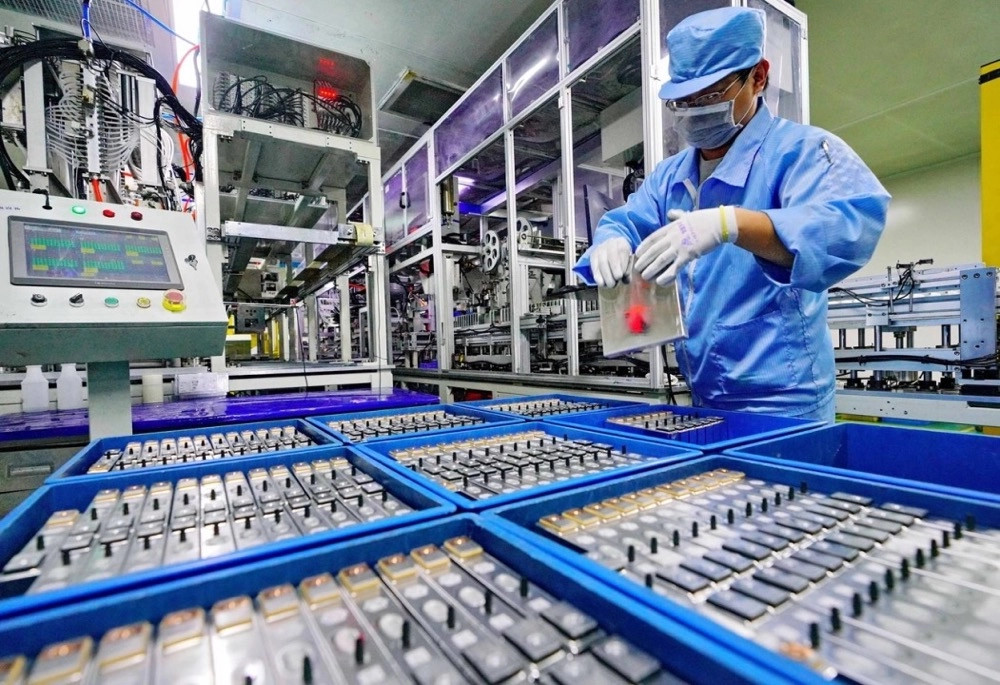
What Are Second-Life EV Batteries?
Second-life EV batteries are batteries that have already been used in electric vehicles but still hold significant value for other applications. After their initial use in EVs, these batteries often have capacity fade but can still store and deliver energy effectively. Instead of being recycled immediately, they are refurbished and repurposed for energy storage, helping extend their useful life.
How the EV Battery Lifecycle Works
Understanding how EV batteries age is key to grasping their second-life potential:
- Initial Use: Batteries are installed in EVs and store energy for driving.
- Degradation Phase: Over time, repeated charging and discharging lead to capacity fade and performance decline.
- End of EV Use: When capacity drops below a certain threshold (usually around 70-80% of original), the battery is no longer suitable for vehicle use.
- Second-Life Use: These batteries are tested for remaining health and repurposed for energy storage systems (ESS).
Key Checks in Battery Lifecycle Management
When assessing used EV batteries for second life, critical checks include:
- State of Health (SOH): Measures how much capacity remains compared to new.
- Capacity Fade: Tracks how much energy the battery can store and deliver.
- Performance Checks: Includes voltage levels, internal resistance, and safety assessments.
Why Used EV Batteries are Different from New ESS Batteries
Unlike brand-new batteries designed specifically for energy storage, used EV batteries have:
- Degradation Patterns: Uneven capacity fade, affecting performance and safety.
- Variable State of Health: Some batteries may have more degradation than others.
- Complex BMS Needs: Existing battery management systems (BMS) may need upgrades or calibration for new applications.
- Safety Considerations: Older batteries require thorough testing to ensure reliability and safety in ESS deployments.
In second-life EV batteries are a promising option, but understanding their lifecycle, health, and performance characteristics is essential for maximizing their potential and ensuring safety in energy storage applications.
Opportunities in Second-Life EV Batteries for ESS
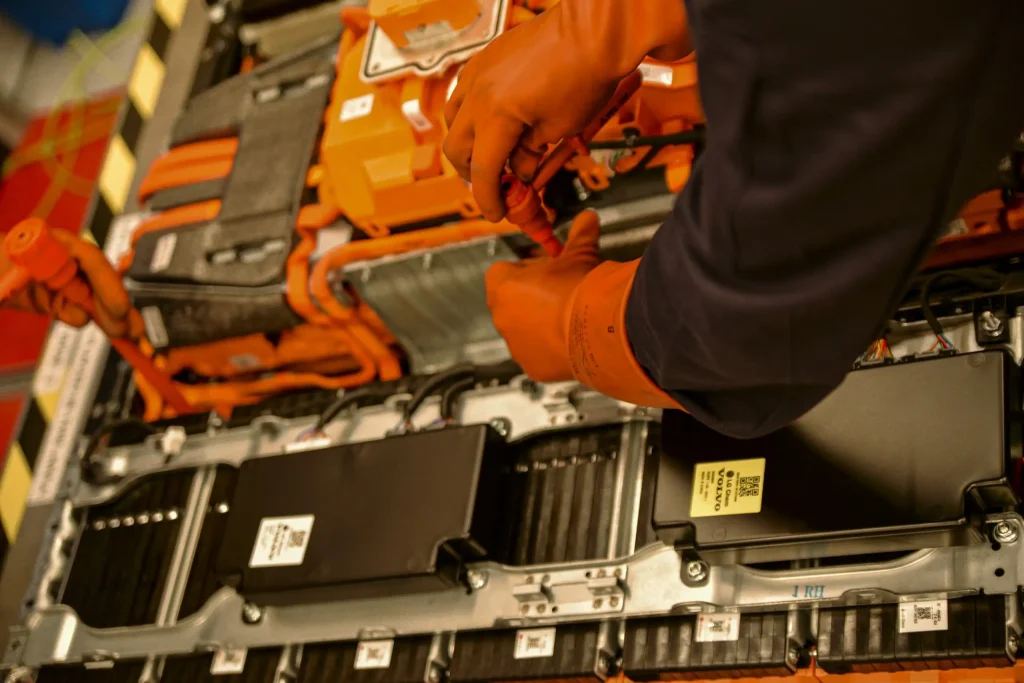
Using second-life EV batteries in energy storage systems (ESS) offers many advantages, both environmentally and economically.
Environmental Benefits
Reusing EV batteries helps reduce battery waste by giving them a second purpose after their initial vehicle use. This reuse lowers the carbon footprint by extending the batteries’ lifecycle, supporting a more sustainable and circular economy in the energy sector.
Economic Advantages
Second-life batteries often cost less than new ESS systems, offering significant cost savings for utilities and businesses. This flexibility enhances project profitability and makes energy storage more accessible. It also opens opportunities for incentives and government support that promote clean energy initiatives.
Technical & Operational Benefits
These batteries can be scaled for large-scale storage of renewable energy sources like solar and wind. This enhances grid stability and resilience, especially as more renewable power floods the grid. Second-life EV batteries excel in urban, remote, and industrial settings where flexible, reliable storage solutions are needed.
Market Trends Supporting Growth
- Rising renewable energy adoption increases demand for grid storage
- The expanding EV market means more batteries will reach their second life
- Supportive government policies further boost market confidence
By tapping into the potential of second-life EV batteries, we can create more sustainable, cost-effective energy storage solutions that support a cleaner, more resilient power grid. For a closer look at how these systems are evolving, check out the residential energy storage market.
Challenges for Second-Life EV Batteries
Despite the opportunities, second-life EV batteries face several key technical, economic, and regulatory hurdles.
Technical Challenges
- Battery health variation: Older batteries can have inconsistent capacity and performance due to different usage histories.
- BMS complexity and safety risks: Managing multiple batteries with varied remaining life requires advanced battery management systems (BMS), which can introduce safety concerns if not properly designed.
- Standardization and interoperability gaps: Without universal standards, integrating used batteries into energy storage systems (ESS) can be tricky, affecting system reliability and safety.
Economic and Logistical Challenges
| Challenge | Details |
|---|---|
| Testing & refurbishment | Costs can be high, especially for accurate diagnostics and safe refurbishment. |
| Supply chain needs | Reliable infrastructure is essential for collection, testing, and repurposing batteries. |
| End-of-life management | Proper recycling and disposal processes are critical but often complicated by regulations. |
Regulatory & Certification Barriers
- Missing universal standards: Different states and countries have varied certification requirements, creating barriers to large-scale deployment.
- Safety concerns: Inconsistent safety protocols can affect market confidence and regulatory approvals.
Market & Investment Barriers
- Low market maturity: The second-life EV battery market is still developing, which creates uncertainty.
- ROI uncertainty: High upfront costs for testing, refurbishment, and installation can make investing in second-life batteries risky without clear long-term return.
Overall, overcoming these challenges requires advancing safety standards, standardization efforts, and developing scalable testing methods to ensure reliability and safety in second-life EV batteries.
Technologies and Solutions for Second-Life EV Batteries
Advances in battery diagnostics and testing are key to maximizing second-life EV batteries’ potential. Innovative testing protocols help assess the state of health (SOH) and capacity fade, ensuring only reliable batteries are reused in energy storage systems (ESS). This process reduces safety risks and improves performance, making second-life batteries a more viable option for grid applications. For even better results, modular and scalable battery systems are gaining popularity. These allow easy expansion or customization of storage capacity, fitting different needs from residential to large-scale renewable energy projects.
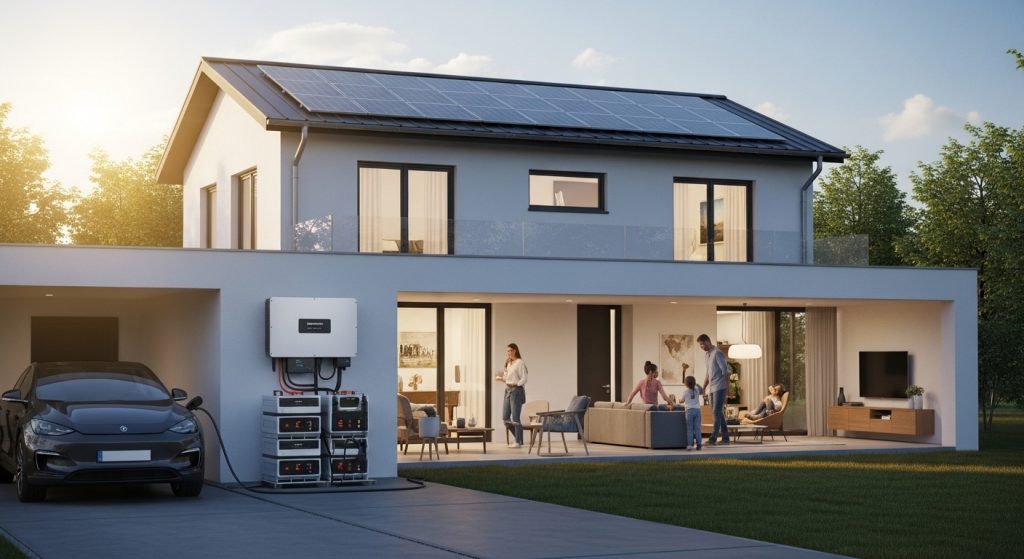
Enhanced battery management systems (BMS) are also critical. They help monitor each battery cell’s health, optimize usage, and prevent safety issues. Recent improvements include smart BMS that can predict potential failures and extend battery life. Additionally, safety has become a top focus, with new safety enhancement technologies designed to prevent thermal runaway and other hazards.
Recycling and refurbishment methods are evolving fast too. Recycling techniques recover valuable materials, reducing waste and lowering environmental impact, while refurbishment extends battery life and saves costs. Combining these technologies makes second-life EV batteries safer, more efficient, and more reliable for energy storage solutions (ESS). Want to dive deeper into battery system safety? Check out EV Battery System Architecture and Safety Diagnostics.
Best Practices for Deploying Second-Life EV Batteries in ESS
Deploying second-life EV batteries for energy storage systems (ESS) requires some key best practices to ensure safety, performance, and longevity. First, rigorous testing and quality control are essential. This means thoroughly assessing the battery’s state of health, capacity fade, and safety before integrating it into a storage system. Advanced diagnostic tools and standardized testing protocols help identify batteries that meet safety standards and performance expectations.
Second, collaboration is crucial. OEMs (original equipment manufacturers), recyclers, and energy firms should work together to develop clear guidelines and share data. Such partnerships support reliable battery reuse and help address challenges like safety risks and performance variability.
Third, adopting standardized frameworks and policies helps create a consistent approach across the market. These standards cover everything from safety management and certification to interoperability and recycling protocols. A unified approach simplifies lifecycle management and reassures stakeholders and investors.
Finally, integrating second-life EV batteries into smart grids and renewable energy projects enhances system flexibility and resilience. Proper deployment includes planning for seamless integration with existing grid infrastructure, optimizing energy flows, and supporting renewable sources like solar and wind. To avoid common pitfalls, it’s worthwhile to consult resources like best-charging practices with durable LeapEnergy battery packs, which provide practical tips for maximizing battery lifespan and safety in real-world scenarios.
Future Outlook for Second-Life EV Batteries
The future looks bright for second-life EV batteries, with strong growth expectations driven by increasing demand for cost-effective and sustainable energy storage solutions. As more utilities and businesses turn to energy storage systems (ESS) to support renewable energy integration, second-life EV batteries are becoming an attractive option. These batteries offer a meaningful way to extend the lifecycle of EV batteries while helping reduce waste and lower costs.
Policy support will play a crucial role in this growth. Governments across the U.S. and around the world are pushing for policies that promote sustainability and a circular economy—encouraging reuse and recycling of EV batteries. Initiatives such as tax incentives, grants, and regulations geared towards second-life applications help accelerate adoption. These policies not only boost market confidence but also push manufacturers and developers to innovate in battery diagnostics, safety standards, and refurbishing techniques.
Innovation pathways are also opening up for ESS adoption. Advancements in modular and scalable energy storage solutions, coupled with improved battery management systems (BMS) and safety tech, make second-life batteries more reliable and safer for large-scale deployment. As technology matures, we can expect more integrated smart grid systems that leverage second-life EV batteries to balance supply and demand, especially in rural and urban settings.
With ongoing developments and supportive policies, the growth trajectory for second-life EV batteries in utility-scale and commercial uses looks very promising. It’s a key part of the shift toward a more sustainable, circular energy ecosystem. For a deeper dive into policy impacts and industry expectations, check out how global policies are shaping EV battery adoption.
 English
  German
  Chinese
  Spanish