
BMS Supervision Matters
Even identical cells still need BMS supervision inside the pack. In real use, cells do not age, heat up, or discharge in exactly the same way. That’s why I treat the battery management system as a core part of cell supervision in battery packs, not an optional add-on.
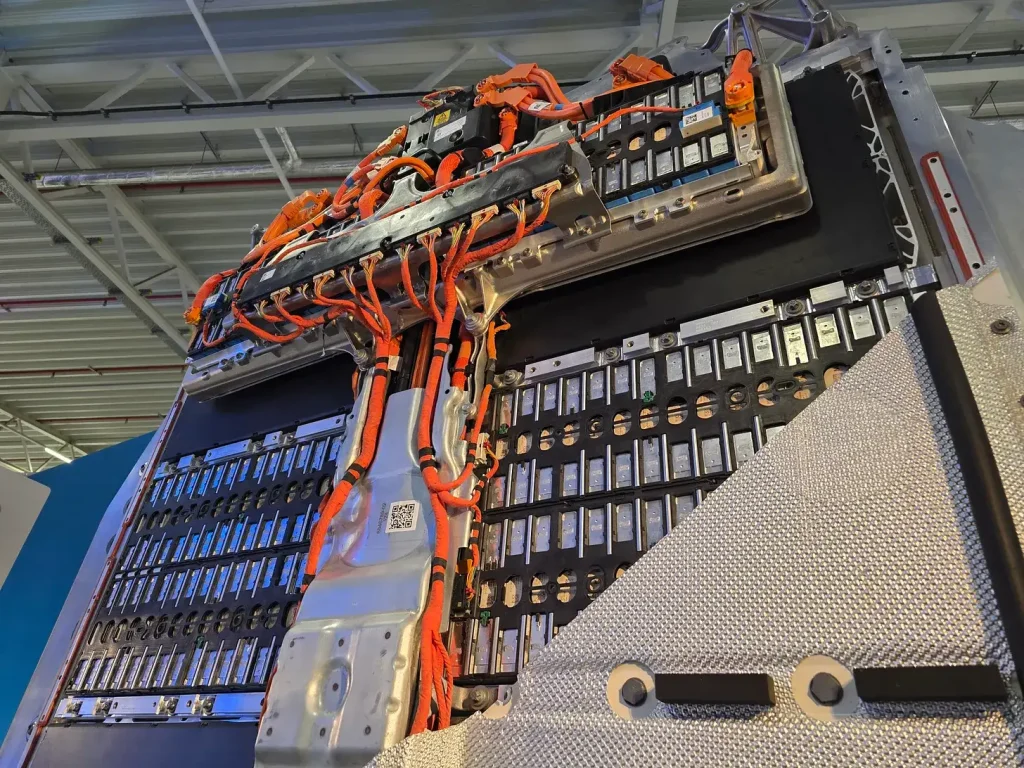
Why it matters
- Cell variation in batteries is normal, even with strong manufacturing control.
- Cell voltage monitoring helps catch imbalance before it becomes a safety issue.
- Cell temperature control supports stable performance inside the pack.
- Cell balancing technology helps protect battery pack longevity.
- Strong battery safety features are what turn good cells into a reliable system.
My approach
I focus on pack-level control, using intelligent BMS logic, BDU hardware, and layered safety design to improve battery pack safety and keep lithium packs operating more consistently. For me, BMS for lithium-ion batteries is not just about monitoring data—it’s about keeping the entire pack protected, balanced, and ready for long-term use.
Bottom line
Identical cells are only the starting point. Real battery pack maintenance, battery pack longevity, and safer operation depend on the BMS features and benefits working inside the pack every second.
Common Misconceptions About Cell Monitoring
Why Some Think Cells Can Self-Regulate
A lot of people assume identical cells in batteries will stay matched on their own. In real battery pack safety work, I do not trust that idea. Even cells from the same line can drift once they face different loads, heat, and usage patterns inside the pack.
That is why cell supervision in battery packs matters. A proper battery management system does more than watch the pack as a whole. It handles cell voltage monitoring, cell temperature control, and cell balancing technology so one weak cell does not create a bigger problem.
I also rely on a deeper look at BMS functions in lithium-ion batteries when I need to explain why passive monitoring is not enough.
What gets overlooked: – Cells do not age at the same speed – Heat is rarely spread evenly across a pack – Small voltage gaps can grow over time – A pack needs active supervision, not just good cells
For me, this is the core point: battery safety features come from the full system, not cell matching alone. That is what protects battery pack longevity, reduces BMS failure risks, and keeps BMS for lithium-ion batteries doing the job it is built for.
Ignoring BMS supervision inside the pack can lead to serious safety hazards and battery failures. Without proper cell monitoring, uneven voltage and temperature variations can cause localized overheating, increasing the risk of thermal runaway. This situation not only threatens the safety of users but can also result in catastrophic pack failures. A failure to detect early signs of imbalance or abnormal cell behavior can lead to irreversible damage, costly repairs, and potential safety incidents. Relying solely on the assumption that identical cells will self-regulate is dangerous; the reality is that manufacturing tolerances and operational conditions cause cell drift over time. To prevent these risks, a high-quality battery management system with advanced cell supervision in battery packs is essential to maintain safety and ensure long-term performance. For more on how BMS enhances safety, see how BDU integrates with BMS to enhance EV battery safety.
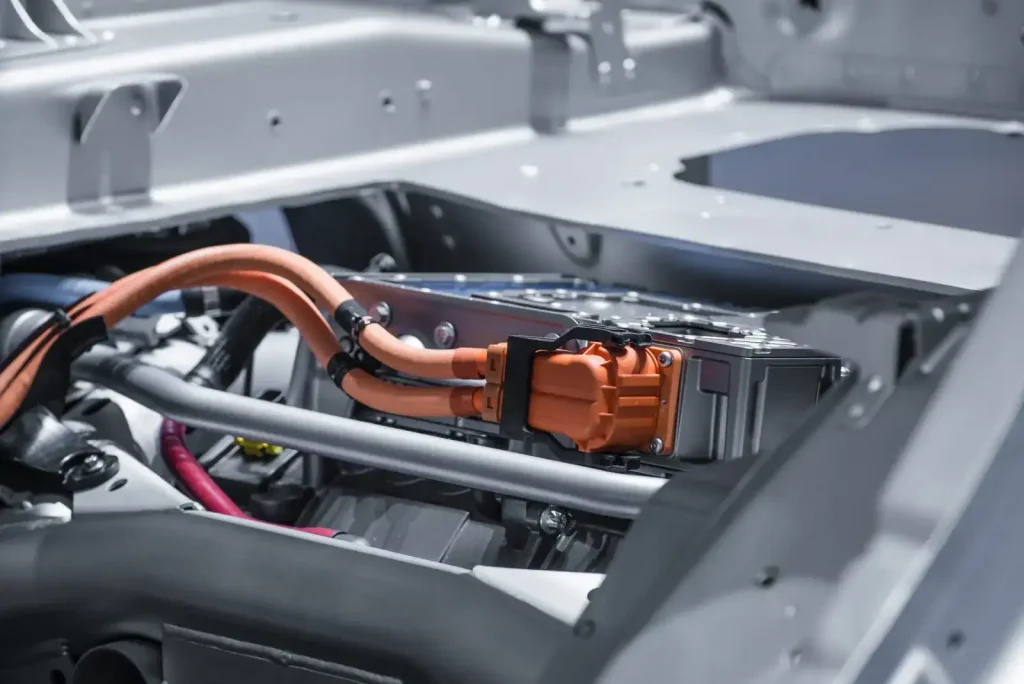
How BMS Protects Each Cell
A high-quality battery management system (BMS) is essential for safeguarding each cell in a battery pack. It actively monitors cell voltage and temperature, ensuring they stay within safe limits. If a cell’s voltage gets too high, the BMS automatically triggers cell balancing to prevent overcharge, which can lead to thermal runaway or capacity loss. Conversely, if a cell’s voltage drops too low, the system prevents overdischarge, protecting the cell from damage and prolonging its lifespan.
Cell balancing technology is a core feature that helps maintain uniform performance across all cells. By equalizing charge levels, it prevents weaker cells from dragging down the overall pack efficiency. Additionally, cell temperature control ensures that each cell operates within the optimal temperature range, reducing risks of overheating and thermal runaway.
This layered protection—covering voltage, temperature, and balancing—makes the battery pack safety system robust. It’s especially critical because even identical cells can drift apart over time due to manufacturing tolerances or operational conditions. That’s why a reliable BMS is not just a safety feature but a key to battery pack longevity and consistent performance. For advanced safety features and detailed cell supervision in battery packs, choosing a BMS with comprehensive monitoring capabilities is a smart move.
Why Identical Cells Still Need BMS Monitoring
Even when cells come from the same line, they do not stay perfectly identical inside a real pack. Cell variation in batteries, temperature swings, load changes, and normal aging all create small differences over time. That is why a battery management system is essential for cell supervision in battery packs. It keeps cell voltage monitoring and cell temperature control in check, so one drifting cell does not weaken the whole pack.
- Cell balancing technology helps keep cells aligned.
- Battery safety features help prevent overcharge and overdischarge.
- BMS for lithium-ion batteries supports safer, steadier performance.
- Strong battery pack safety depends on watching every cell, not just the pack overall.
For long-term battery pack longevity, I treat BMS monitoring as a must, not an extra. For pack-level upkeep, standardized EV battery pack repair and longevity strategies also play a big role in keeping maintenance under control.
The Importance of Cell Voltage and Temperature Monitoring
Ensuring uniform performance and longevity in battery packs hinges on precise cell voltage and temperature monitoring. Even when cells are manufactured to be identical, small variations can lead to uneven aging and potential safety risks. A reliable battery management system (BMS) continuously tracks each cell’s voltage and temperature, preventing issues like overcharge, overdischarge, or thermal hotspots that can cause thermal runaway.
Accurate monitoring helps maintain balanced cells, which is crucial for maximizing pack lifespan and safety. If one cell runs hotter or discharges faster than others, it can compromise the entire pack’s integrity. That’s why advanced cell supervision in battery packs is essential— it ensures each cell operates within safe limits, promoting consistent performance and extending the overall life of the energy storage system.
For optimal safety and efficiency, look for BMS features that include real-time voltage and temperature data, automatic balancing, and predictive fault diagnostics. These tools are vital in preventing failures and ensuring that your battery pack remains reliable over thousands of charge cycles. Proper cell voltage monitoring and temperature control are the backbone of lithium battery safety and long-term battery pack longevity.
BMS Features That Make a Difference
Key functions I look for
The right battery management system does more than track power. For cell supervision in battery packs, I want clear control over voltage, temperature, and safety so identical cells in batteries stay stable in real use. That is especially important for BMS for lithium-ion batteries in EV, REEV, PHEV, and storage packs.
I also connect BMS data with EV battery thermal management systems to keep heat under control and protect battery pack longevity.
| BMS feature | Why it matters |
|---|---|
| Cell voltage monitoring | Helps prevent overcharge and overdischarge |
| Cell temperature control | Supports safer operation and more even performance |
| Cell balancing technology | Reduces drift between cells over time |
| AI fault warning | Gives early notice before issues grow |
| Multi-layer safety logic | Supports stronger battery pack safety |
| Traceable pack data | Helps with battery pack maintenance and fleet control |
What stands out in practice
- <3% SOC accuracy for tighter state-of-charge tracking
- 30-day fault pre-warning for early action
- 4-layer protection across cell, module, pack, and BMS
- Zero thermal runaway propagation under tested abuse conditions
- 30% lower post-sales maintenance costs through predictive diagnostics
My short list
For cell variation in batteries, I look for:
- Stable cell balancing
- Reliable battery safety features
- Strong lithium battery safety
- Fast fault detection
- Simple maintenance support
A strong BMS cuts BMS failure risks and helps turn identical cells into a safer, longer-lasting pack.
Real-World Examples of BMS Failures: What Happens When Cells Are Not Properly Supervised
When battery management systems (BMS) fail to do their job, the consequences can be severe. Without proper cell supervision, individual cells can drift out of balance, leading to uneven aging and potential safety hazards. For instance, if a cell overheats or overcharges without detection, it can trigger thermal runaway—an uncontrollable temperature rise that may cause fires or explosions.
In some cases, neglecting cell voltage and temperature monitoring has resulted in battery pack failures that damage the entire system. These failures often lead to costly repairs, reduced lifespan, and compromised safety. A leading EV battery manufacturer emphasizes that robust BMS features—such as cell balancing technology and thermal management—are essential to prevent these risks.
Failing to supervise each cell properly not only risks safety but also shortens battery pack longevity. Regular, accurate cell supervision is crucial to maintaining performance, ensuring safety, and avoiding preventable failures that can be catastrophic. Proper BMS implementation is the key to avoiding these costly and dangerous outcomes.
FAQs: Why Identical Cells Still Need BMS Supervision Inside the Pack
Common Questions
- Do identical cells behave the same inside a pack?
No. Even identical cells can drift once temperature, load, and aging start to change. That is why I never rely on cell matching alone for cell supervision in battery packs. - What does a battery management system actually do?
A battery management system monitors cell voltage monitoring and cell temperature control, supports cell balancing technology, and helps prevent overcharge and overdischarge. That protects battery pack safety and supports battery pack longevity. - Why is BMS supervision still needed if the cells are high quality?
High-quality cells are only part of the picture. Pack-level supervision helps catch imbalance early, and our AI-driven BMS adds precise SOC control, 30-day fault pre-warning, and stronger battery safety features for real-world use. - What happens if I ignore BMS supervision?
Small cell differences can turn into imbalance, weak performance, and higher battery pack maintenance. In the worst case, safety risk rises fast, which is why BMS failure risks should never be ignored. - What BMS features matter most?
I look for: - cell voltage monitoring
- cell temperature control
- cell balancing technology
- overcharge and overdischarge prevention
- predictive diagnostics
- pack-level safety design
- How does safety architecture help?
A strong system uses layered protection, not one single safeguard. Our 4-layer design across cell, module, pack, and BMS is built for lithium battery safety and tested for zero thermal runaway propagation under extreme abuse conditions. - Does the BDU matter too?
Yes. The BDU is part of the protection stack, not an extra. I treat it as a core safety component in pack design, and this guide to choosing a BDU supplier for EV and ESS packs shows why hardware-level control matters.
My Quick Rule
If I want a pack that stays safe, stable, and efficient, I do not stop at identical cells. I combine BMS features and benefits, smart supervision, and pack-level protection to get better reliability and lower long-term risk.
Choosing the Right BMS for Your Battery Pack
When I choose a battery management system for a pack, I start with the basics: battery safety features, accurate cell voltage monitoring, and solid cell temperature control. For EV programs, I also pay close attention to EV battery pack safety standards and, when the application is road-focused, passenger car EV battery packs.
What I look for
- Clear cell supervision in battery packs to catch imbalance early
- Cell balancing technology to help keep performance even
- Strong overcharge and overdischarge protection for safer operation
- Smart diagnostics that support battery pack maintenance and longer life
- Proven safety design backed by real testing and manufacturing control
My simple rule
Identical cells are only the start. A good BMS for lithium-ion batteries is what keeps the pack stable, supports battery pack longevity, and lowers BMS failure risks over time. For global customers, that means better uptime, safer use, and fewer surprises in the field.
Related Sources
- https://www.mdpi.com/2313-0105/12/3/88
- https://www.ti.com/applications/automotive/hev-ev-powert
- https://www.researchgate.net/publication/332870740_The_effect_of_cell-to-cell_variations_and_thermal_gradients_on_the_performance_and_degradation_of_lithium-ion_battery_packs
- https://bmspowersafe.com/en/technology-en/lithium-ion-battery-bms-for-optimal-safety/
 English
  German
  Chinese
  Spanish