
If you’re an EV fleet operator, automotive engineer, or even a savvy EV owner, you’ve probably felt the sting of rising battery replacement costs. The truth is, swapping an entire EV battery pack isn’t just expensive—it’s often unnecessary. That’s where standardized repair steps in, revolutionizing how we maintain and extend battery life.
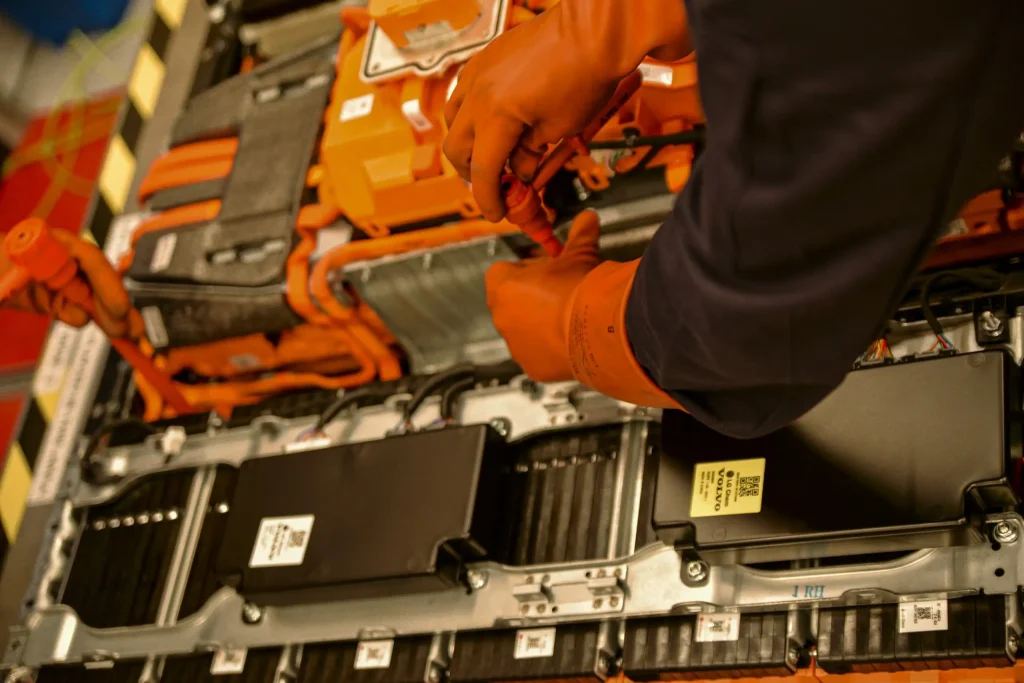
By embracing modular repair approaches and unified service protocols, it’s now possible to slash lifecycle expenses by up to 77%, boost sustainability, and keep your EV running longer without breaking the bank. In this article, we dive deep into how standardized repair can unlock massive lifecycle cost savings for EV battery packs, making electric mobility more affordable and environmentally friendly than ever.
The Hidden Costs of EV Battery Packs in the Lifecycle
EV battery packs play a major role in a vehicle’s total cost of ownership (TCO), but their costs extend far beyond the sticker price. Understanding these hidden expenses is key to making smart decisions about EV ownership.
Battery Pack Contribution to TCO
| Cost Aspect | Description |
|---|---|
| Initial Cost | High upfront battery price significantly raises vehicle cost. |
| Degradation | Capacity loss over time reduces range and performance. |
| Maintenance | Regular checks and cooling system upkeep required. |
| Repair/Replacement | Historically dominated by full pack swaps due to complexity. |
| End-of-Life Value | Resale or recycling value varies, often uncertain. |
Common Battery Failures and Full Replacement Trends
EV battery failures often stem from issues like cell degradation, thermal runaway, or connection faults. Due to a lack of standardized repair methods, intricate pack designs, and critical safety concerns, full battery replacements have been the default solution—adding thousands to repair bills.
Real-World Cost Impacts
For example, a malfunctioning battery pack can:
- Increase insurance premiums due to high replacement costs.
- Lower residual vehicle value because of uncertain battery health.
- Reduce vehicle viability if replacement costs approach new car value.
These factors remind us that while EVs offer lower scheduled maintenance than internal combustion engines (ICE), battery issues represent a significant pain point.
EV vs. ICE Maintenance Costs
| Maintenance Aspect | EV Battery Packs | Internal Combustion Engines |
|---|---|---|
| Regular Maintenance | Lower, mostly software and cooling | Higher, includes oil changes, filters, tune-ups |
| Repair & Replacement | Expensive but infrequent full pack swaps; emerging modular repair options | Frequent, varied repairs, generally less costly each time |
| Emissions & Pollution | Lower emissions with repair focus | Higher ongoing emissions and environmental impact |
In , EVs have clear maintenance advantages, but battery repair or replacement costs remain a critical factor in lifecycle cost analysis. Addressing these through standardized repair and modular design is the next step toward unlocking full EV savings potential.
Understanding Standardized Repair: From Concept to Practice
Standardized repair means fixing EV battery packs using consistent methods and tools that work across different models and brands. Key elements include:
| Element | Description |
|---|---|
| Uniform diagnostics | Standard tests to quickly identify faults |
| Modular architectures | Battery packs designed in replaceable units |
| Repeatable procedures | Clear step-by-step repair workflows |
| Certified tooling | Specialized tools approved for safety and efficiency |
| Safety protocols | Strict guidelines to protect technicians and users |
This approach lowers the need for specialized training, speeds up repairs, ensures consistent quality, and simplifies warranty handling. Standardized repair is more scalable for service centers handling different EV models.
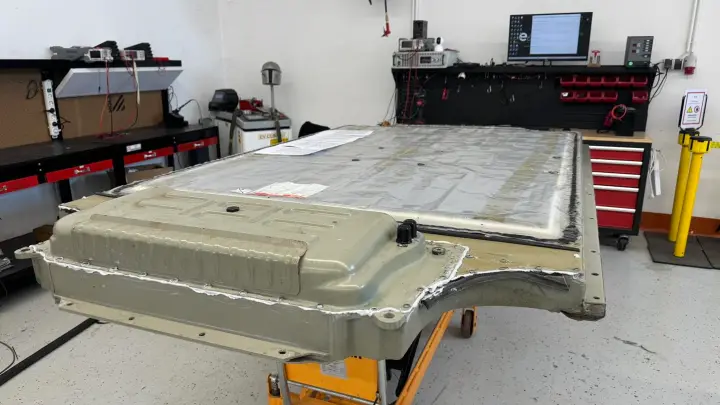
Modular battery pack designs enhance repairability by allowing simple module swaps instead of replacing entire packs. In contrast, cell-to-pack or structural batteries, where cells are tightly integrated without clear replacement units, make repair complex and costly. To dive deeper on this, check out LEAPENERGY’s insights on modular vs. monolithic pack designs.
LEAPENERGY leads by creating battery packs with accessible modules, reversible electrical connections, and built-in diagnostics that help technicians identify issues precisely and safely. This focus on serviceability lowers lifecycle costs and improves battery longevity.
For more details on the system-level approach, see how LEAPENERGY integrates EV battery system architecture and safety diagnostics.
In standardized repair brings:
- Reduced technician training time
- Faster repair turnaround
- Consistent quality across repairs
- Easier warranty and service management
- Scalable solutions adaptable to multiple EV models
Adopting such repair standards is key to unlocking lasting total cost of ownership savings on EV batteries.
Quantifying Lifecycle Cost Savings Through Standardized Repair
Standardized repair of EV battery packs offers significant lifecycle cost savings—industry data shows module-level or partial repairs can cut costs by 50-77% compared to full battery replacements. This is a game-changer for both individual owners and fleets aiming to reduce their total cost of ownership (TCO).
When you factor in labor, parts, and vehicle downtime, standardized repair not only saves money but also reduces emissions by avoiding new battery manufacturing. Lifecycle cost models highlight how extending battery life through repair keeps warranty coverage intact and boosts resale value, making your EV a smarter long-term investment.
Real-world case studies demonstrate substantial fleet savings and owner cost avoidance. For example, remanufacturing and module swapping maintain battery performance at a fraction of replacement costs. Plus, falling cell prices and advanced state-of-health diagnostics help pinpoint issues early, amplifying savings. Second-life battery applications also extend value beyond the first vehicle.
For deeper insights into cost benefits linked to battery integration and energy storage, check out LEAPENERGY’s battery pack integration cuts manufacturing cost and battery energy storage system vs diesel generator cost analysis. Both highlight how smarter design and repair can significantly impact overall lifecycle costs.
In short, standardized repair isn’t just about fixing batteries—it’s a proven strategy to unlock major cost savings and sustainability benefits throughout your EV’s life.
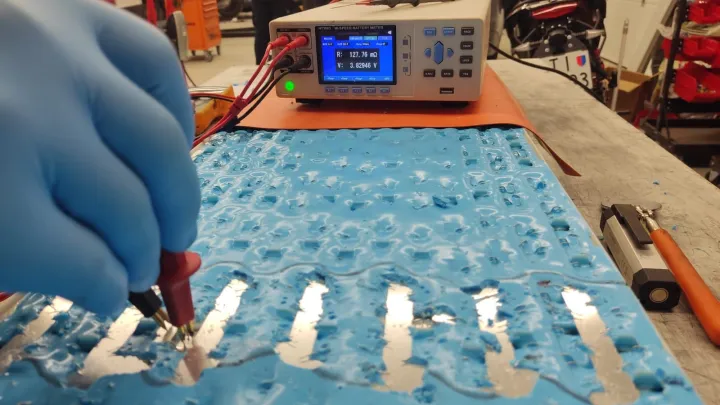
Technical Foundations Enabling Cost-Effective Repair
Cost-effective EV battery repair starts with smart design principles focused on repairability:
- Modular construction lets technicians swap out just the faulty modules instead of replacing entire packs.
- Standardized connectors and interfaces simplify diagnostics and replacements.
- Accessible high-voltage components ensure safer, quicker service.
- Nondestructive disassembly protects parts during repair, lowering costs.
Advanced Diagnostics Powering Smarter Repairs
Modern tools improve repair accuracy and prolong battery life:
| Diagnostic Tool | Purpose |
|---|---|
| State of Health (SoH) | Measures current battery condition |
| Remaining Useful Life (RUL) | Predicts how long the battery will last |
| Cell balancing | Ensures uniform cell performance |
| Predictive maintenance | Anticipates failures before they happen |
Repair Techniques That Save Money
Techs use several cost-saving repair methods:
- Module swapping instead of full pack replacement
- Cell replacements focused on damaged cells only
- Software updates to optimize battery management systems
- Thermal system servicing to maintain safe temperatures
- Remanufacturing workflows for reconditioning used modules
Safety and Certification Standards
Handling high-voltage EV battery packs demands strict protocols:
- Certified high-voltage handling training for technicians
- Compliance with safety regulations to protect people and equipment
- Use of specialized tooling to ensure consistent, safe workmanship
LEAPENERGY’s Key Innovations
LEAPENERGY leads the way with:
- Modular pack designs featuring reversible connections for easy service
- Integrated standardized diagnostics built into battery modules
- Streamlined repair workflows improving speed without sacrificing safety
These technical foundations are essential for achieving significant EV battery pack serviceability and cutting repair costs industry-wide. Learn more about the impact of LEAPENERGY’s approach in our detailed overview of module-to-pack integrated EV battery systems. For thermal system roles in battery longevity and repair, check out our insights on EV battery thermal management systems.
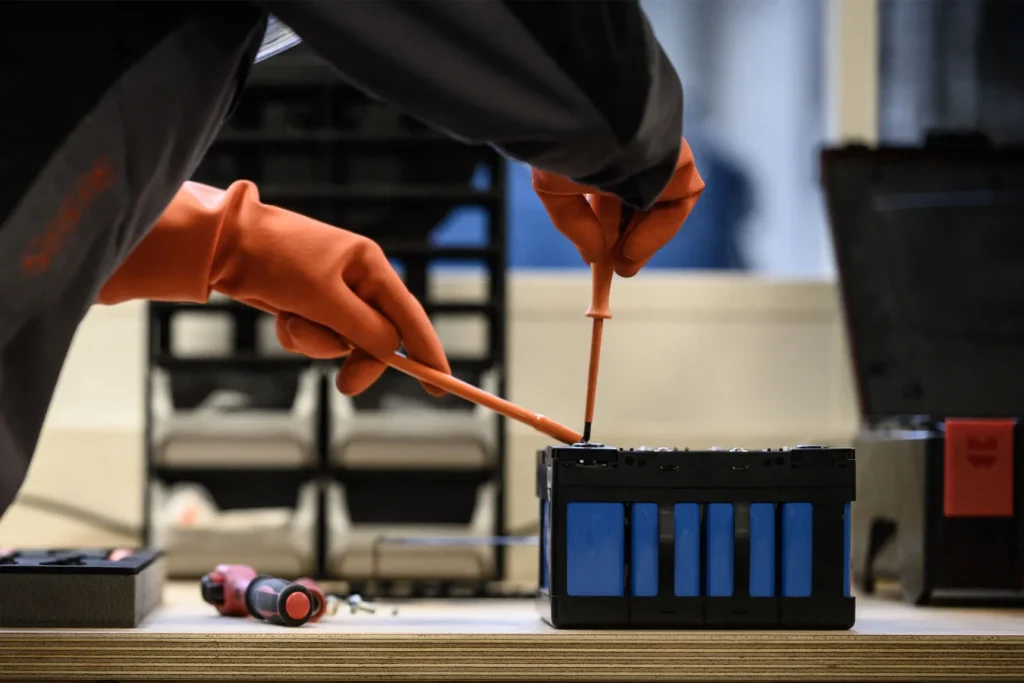
Environmental and Broader Sustainability Impacts
Repairing EV battery packs instead of replacing them can cut CO₂ emissions by up to 91%, mainly by avoiding the heavy environmental toll of new manufacturing and raw material extraction. This massive reduction stems from fewer mining activities and less energy-intensive production processes. Standardized repair supports circular economy principles by enabling easier repair, remanufacturing, repurposing, and recycling of battery packs, keeping valuable materials in use longer and reducing waste.
Several regulatory trends back this shift toward repairability. Right-to-repair laws in the U.S., combined with European Union battery regulations, encourage manufacturers to prioritize serviceable designs and provide the tools and information needed for safe, certified repairs. Additionally, government incentives tied to sustainability goals promote longer first-life use of batteries and support second-life applications, ultimately minimizing landfill contributions.
Looking further ahead, these changes contribute to lowering global mining demand, cutting waste, and optimizing the lifecycle of EV batteries by extending their effective lifespans before they enter second-life use or recycling. For EV owners and fleets aiming to reduce their environmental footprint while saving costs, embracing standardized repair and modular battery design becomes a clear win. You can find out more about this approach in our detailed guide on designing sustainable EV battery packs for easy recycling and second life.
Challenges and Solutions in Implementing Standardized Repair
Implementing standardized repair for EV battery packs faces several hurdles. Diverse OEM battery designs make it tough to create one-size-fits-all repair protocols. Technician skill shortages and limited access to certified tooling further slow progress. On top of that, many insurance policies still favor full battery replacement over repair, impacting how repairs are approached financially.
To break down these barriers, industry-wide collaboration is key. Companies and manufacturers need to agree on common standards that enable modular and standardized EV battery diagnostics. Investing in technician training and advanced tooling ensures repairs can be done safely and efficiently. Designing batteries with repairability in mind—what experts call “design-for-repair”—from the start is crucial to making these solutions scalable and practical.
Looking ahead, automation and AI-driven predictive maintenance will play growing roles. Automated diagnostics and repair platforms can speed up service times and improve accuracy, while predictive analytics help catch issues before they become costly failures. LEAPENERGY leads by integrating these innovations through strategic partnerships and engineering excellence, creating accessible, modular EV battery pack designs with reversible connections and built-in diagnostics. This proactive approach is detailed in their work on cloud-connected EV battery pack diagnostics, driving repairability forward and expanding service options.
By tackling these challenges head-on, standardized repair can unlock significant lifecycle cost savings and support a sustainable, circular economy for EV batteries in the US market and beyond.
Best Practices for EV Owners, Fleets, and Service Providers
Choosing EVs with repair-friendly battery designs is the first step to saving on lifecycle costs. Look for vehicles featuring modular battery pack design and accessible diagnostics that make repairs quicker and less costly. Scheduling regular preventive diagnostics using standardized tools helps catch issues early, reducing downtime and avoiding expensive full replacements.
Partnering with certified repair networks, like those supported by LEAPENERGY, ensures repairs meet safety and quality standards while maximizing battery longevity. Fleets should implement standardized repair data tracking to monitor battery health trends, optimize maintenance schedules, and drive down total cost of ownership.
Workshops can boost efficiency and profitability by adopting uniform repair procedures and investing in certified tooling and technician training. This consistency leads to faster turnaround times and higher customer satisfaction.
LEAPENERGY supports owners and service providers with comprehensive resources, including warranty guidance and access to authorized service centers. Their focus on EV battery pack serviceability and repair readiness helps extend battery life and reduce long-term expenses. For a deeper dive into proper battery handling and certification, their detailed guide on EV battery pack certification and safety standards is a valuable resource.
By following these best practices, you can harness the benefits of standardized repair and sustainable EV battery maintenance, making your electric vehicle or fleet more reliable and cost-effective.
 English
  German
  Chinese
  Spanish