
Why Solid-State Batteries Represent the Next Leap for EV Packs
Solid-state batteries (SSBs) are widely recognized as the next major advance in electric vehicle (EV) battery technology, promising significant improvements over conventional lithium-ion batteries. Unlike traditional liquid electrolyte cells, solid-state EV battery packs utilize a solid electrolyte, which brings core advantages including higher energy density, enhanced safety, and prolonged cycle life. These improvements at the cell level translate directly into more compact, lighter, and safer pack designs—critical factors for EV driving range, performance, and overall vehicle efficiency.
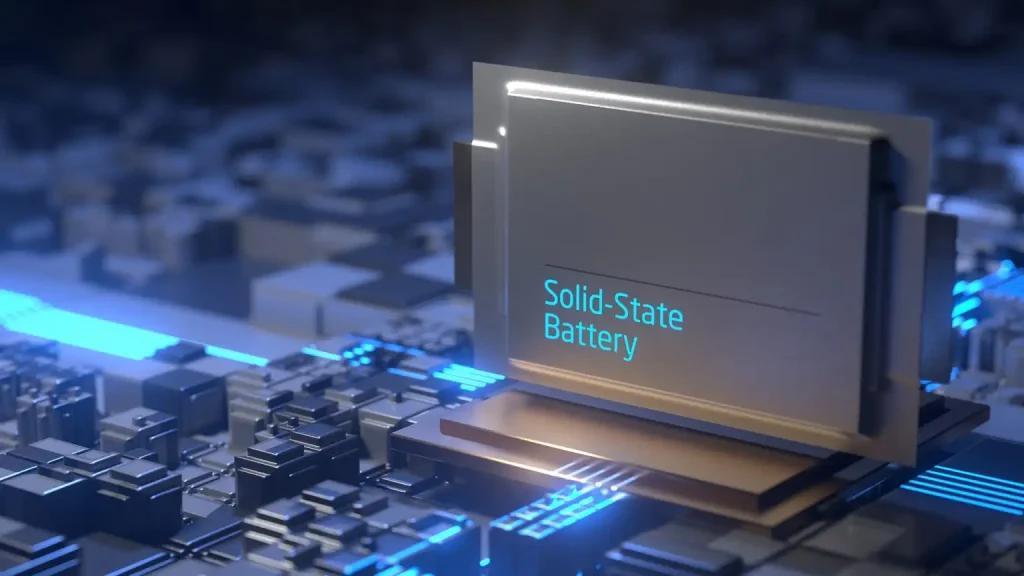
Key advantages of solid-state battery technology include:
- Increased Energy Density: Solid electrolytes enable the use of high-capacity lithium metal anodes, potentially doubling energy density compared to lithium-ion batteries. This means EVs can achieve longer range without increasing pack weight or size.
- Improved Safety: Solid-state designs eliminate flammable liquid electrolytes, significantly reducing risks of thermal runaway and fire. This impacts pack-level safety engineering and simplifies thermal management systems.
- Enhanced Lifecycle: Reduced dendrite formation and lower interface degradation contribute to longer battery life and more stable performance, easing replacement frequency and total cost of ownership.
Current market momentum reflects these benefits. Leading manufacturers and startups are aggressively developing all-solid-state batteries (ASSB) with pilot production lines and small-batch manufacturing underway. However, it is essential to maintain realistic expectations. Large-scale commercialization and mass production remain constrained by technical challenges and high manufacturing costs, with broad adoption anticipated over the next five to ten years rather than immediately.
Solid-state battery technology represents a transformative evolution for EV battery packs, offering superior pack-level performance and safety. The path forward requires balancing these advancements with the practical hurdles of scaling and cost, setting a clear roadmap for next-generation EV energy storage solutions in the U.S. market.
Fundamental Technical Challenges in Solid-State Cell and Pack Design
Solid-state EV battery packs promise a big leap, but they face tough technical hurdles before mass production scales. Here’s a quick rundown of the major challenges:
| Challenge | Description |
|---|---|
| Interface Instability | The solid electrolyte interface (SEI) can degrade, causing poor ion flow and reducing battery life. Dendrite formation remains a risk that can short-circuit cells. |
| Dendrite Formation Issues | Lithium dendrites may grow through the solid electrolyte if the interface isn’t stable, causing safety hazards and capacity loss. |
| Electrolyte-Specific Hurdles | Solid electrolytes vary—sulfide, oxide, and polymer types each require unique handling for compatibility and performance, complicating pack design. |
| Thermal and Mechanical Management | Solid-state cells have different heat profiles and mechanical stress sensitivities compared to traditional lithium-ion cells, so new thermal management and pack structures are crucial. |
| Long-Term Performance Degradation | Factors like repeated cycling, mechanical strain, and chemical instability lead to gradual capacity drop and reduced cycle life over time. |
These factors combined mean that solid-state battery manufacturing hurdles are about more than just materials—they demand integrated design solutions at the cell and pack level. Understanding and controlling the solid electrolyte interface stability and mitigating dendrite risks are critical. For pack designs, this impacts everything from thermal controls to the physical structure, which you can compare further in depth with modular and monolithic designs in our detailed overview.
Addressing these technical challenges early helps improve solid-state battery production yield and reliability, which are key stepping stones toward successful all-solid-state EV battery scaling in the US market.
Manufacturing and Process Scalability Barriers
Moving solid-state EV battery packs from pilot lines to high-volume production is no small feat. One of the biggest hurdles is achieving consistent process uniformity—small variations can cause major drops in yield, which means fewer good cells per batch and higher costs overall. The manufacturing environment needs strict control; solid-state batteries demand ultra-clean dry-room conditions to prevent moisture contamination that can degrade the solid electrolyte interface stability and cell performance.
Quality control is another critical factor. Unlike conventional lithium-ion packs, solid-state batteries require more precise inspection techniques to catch issues like interface defects or uneven layering early. These challenges make scaling up production complex and sensitive, requiring advanced process automation and real-time monitoring to maintain yield and reliability. For manufacturers, mastering these bottlenecks is essential to drive down costs and meet the expected demand for solid-state EV batteries.
For deeper insights on scaling up battery production efficiently, see our detailed guides on scalability in EV battery pack production and scaling EV battery pack manufacturing from prototype to mass production.
Economic and Cost-Related Obstacles to Scaling
Scaling solid-state EV battery pack mass production faces significant economic hurdles. High material costs, especially for specialized solid electrolytes and rare metals, drive up the overall price compared to conventional lithium-ion cells. On top of that, the capital expenditure needed to build new gigafactories capable of handling all-solid-state battery (ASSB) manufacturing is enormous, requiring advanced equipment and strict environmental controls.
Even with increasing production volumes, achieving economies of scale remains challenging due to supply chain bottlenecks in sourcing raw materials and precision manufacturing components. These constraints can slow down cost reduction efforts and delay widespread adoption, impacting the affordability of EVs equipped with solid-state battery packs.
Addressing these challenges involves not just technological advances but also strategic investments in supply chain optimization and cost-effective factory design. For a deeper dive into the complexities of battery project costs and how they differ from purchase prices, explore our analysis of why engineering costs exceed purchase prices in battery projects.
Understanding and mitigating economic barriers is key to unlocking the benefits of solid-state batteries for the mass EV market.
Pack-Level Integration and System Engineering Challenges
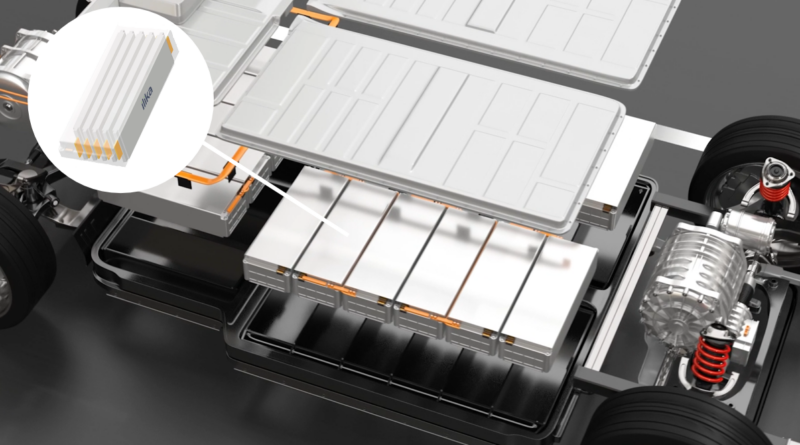
Scaling solid-state EV battery packs goes beyond just the cells—it requires adapting sophisticated battery management systems (BMS) to handle new chemistry behaviors and tighter safety margins. The unique thermal profiles and structural demands of solid-state batteries call for redesigned pack assemblies that ensure effective thermal management and mechanical stability during both charge cycles and real-world driving.
Module scaling is another big hurdle. Larger modules mean complex balancing of cell-to-cell performance and safety, which can strain existing EV platform designs. Ensuring solid-state battery packs fit seamlessly into today’s vehicle architectures requires collaboration between cell makers and automakers, as well as a rigorous regulatory safety validation process to meet US and international standards.
For a deep dive into how modular vs integrated pack designs affect these challenges, check out this resource on module to pack integrated EV battery systems. Also, understanding 400V vs 800V EV battery platforms helps clarify the voltage-level considerations crucial for solid-state pack integration. These system engineering challenges must be solved early to realize the full benefits of solid-state battery technology at scale.
Supply Chain, Infrastructure, and Ecosystem Hurdles
Scaling solid-state EV battery packs isn’t just a technical challenge—it also depends heavily on a stable supply chain and robust infrastructure. One major barrier is raw material scaling. Solid-state batteries often require more specialized and sometimes scarce materials than conventional lithium-ion cells. Ensuring a consistent, high-quality supply in the U.S. is critical, especially given the current global sourcing issues and regional production disparities.
Workforce training is another bottleneck. Manufacturing solid-state battery packs demands precision and new skill sets around handling solid electrolytes and maintaining ultra-clean environments like dry rooms. Without a trained and reliable workforce, production yield and quality remain at risk.
Recycling and second-life use also need attention early on. Designing batteries and packs with end-of-life reuse in mind helps reduce supply pressure on raw materials and aligns with growing sustainability goals. For practical design strategies, considering how to integrate recycling-friendly components is essential—this aligns with best practices highlighted in our guide on designing sustainable EV battery packs for easy recycling and second life.
Geopolitical factors shape regional leadership in this space. Countries leading in mineral resources, technology innovation, and gigafactory investments strongly influence the supply chain dynamics. The U.S. must navigate these geopolitics strategically to secure materials and scale its solid-state battery ambitions effectively.
Navigating these supply chain, workforce, and regional challenges is as vital to solid-state EV battery pack mass production as resolving the technical manufacturing hurdles. Addressing them head-on supports a smooth transition from pilot projects to full commercial scale.
Current Progress, Timelines, and Real-World Case Studies
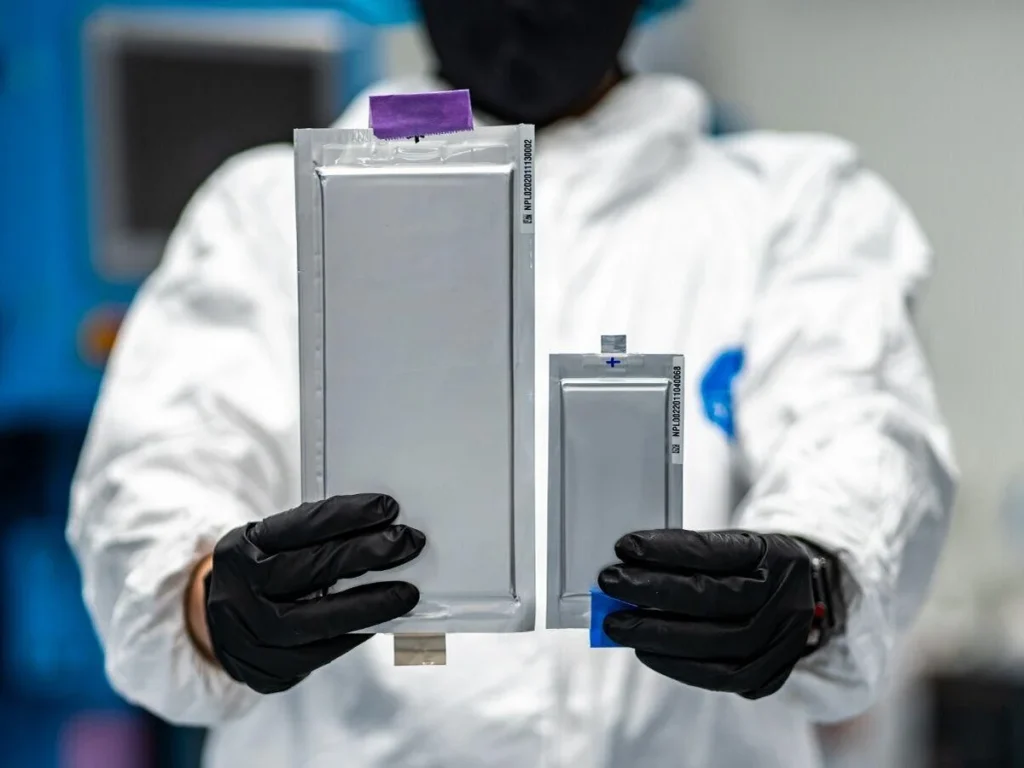
Solid-state EV battery pack mass production is moving from pilot lines to small-batch manufacturing, marking a critical phase in scaling. Several companies have demonstrated promising prototypes, but transitioning to consistent, high-yield production remains complex due to the precise control needed over solid electrolyte interfaces and cell uniformity.
Projected roadmaps typically target semi-commercial volumes within the next 3 to 5 years, with full gigafactory-scale output expected closer to the end of this decade. These timelines reflect ongoing efforts to overcome key solid-state battery manufacturing hurdles, such as dendrite suppression and dry-room assembly challenges.
Industry lessons point to the importance of strong partnerships and collaboration. Suppliers, OEMs, and research institutions working together have accelerated innovation in material science and process engineering. Shared expertise helps tackle obstacles like interfacial resistance and pack integration issues, which are crucial for reliable solid-state battery commercialization.
For EV developers, adapting Battery Management Systems (BMS) to handle the unique behavior of solid-state cells—and understanding pack-level thermal management—will be vital. More on how BMS impacts EV battery packs can be found in our detailed guide on the role of BMS in EV battery packs.
In , while all-solid-state EV battery scaling faces notable technical and manufacturing barriers, current pilot runs and early commercial deployments provide valuable insights. These efforts set the stage for broader adoption, supported by collaborative industry strategies and defined production roadmaps.
Innovative Solutions and Pathways Forward
Addressing solid-state EV battery pack mass production challenges requires fresh approaches in both materials and manufacturing. Recent advancements in solid electrolyte formulations and interface engineering are helping tackle common issues like interfacial resistance and dendrite growth. On the production side, automation and improved dry-room environments are driving better solid-state battery manufacturing yields and process uniformity.
Cost reduction remains a top priority. Hybrid technologies—combining solid and semi-solid-state components—offer a practical bridge to lower expenses without compromising energy density. LEAPENERGY is actively investing in innovative manufacturing innovations alongside material breakthroughs to scale all-solid-state EV battery technology more efficiently and affordably.
By focusing on next-gen materials and refined process controls, along with smart cost strategies, solid-state battery makers can overcome commercialization barriers and accelerate widespread adoption. For optimized pack design incorporating these innovations, check out LEAPENERGY’s advanced battery pack solutions for commercial EVs. These solutions highlight the shift toward scalable, high-performance solid-state battery packs suited for the U.S. electric vehicle market.
Future Outlook and Strategic Recommendations for Solid-State EV Battery Scaling
The future of solid-state EV battery packs looks promising but hinges on overcoming key solid-state battery manufacturing hurdles and scaling challenges. As the industry pushes toward higher energy density and safer battery solutions, solid-state packs are expected to reshape the EV market by enabling longer ranges and faster charging. However, reaching scalable mass production remains a gradual process, with realistic milestones set for the late 2020s.
Key milestones to watch:
- Achieving consistent solid-state battery production yield at pilot gigafactories.
- Advancements in solid electrolyte interface stability to reduce failure rates.
- Manufacturing breakthroughs that lower the solid electrolyte cost reduction curve.
- Deployment of medium-to-large batch production lines integrating innovative thermal and structural designs.
For stakeholders—OEMs, suppliers, and investors—the advice is clear:
- Invest early in scalable manufacturing technologies and workforce training.
- Collaborate closely with tech developers to address system-level integration and safety standards.
- Prioritize supply chain resilience and consider regional production hubs to navigate geopolitical shifts.
- Support pilot projects transitioning to commercial volume, tracking industry learnings to guide strategy.
At LEAPENERGY, we’re deeply committed to driving practical scaling solutions for solid-state EV battery packs. Our focus is on supporting end-to-end manufacturing innovations and collaborating across the ecosystem to accelerate commercialization while keeping costs competitive. We believe these efforts will make solid-state batteries a viable, transformative option for the U.S. EV market, boosting affordability and performance simultaneously.
For those interested in further understanding EV battery pack trends and the evolving market landscape, our detailed global EV battery pack market outlook provides valuable insights into what lies ahead.
By focusing on these strategic actions and innovations, the solid-state battery industry can unlock its full potential, powering the next generation of electric vehicles more reliably and sustainably.
 English
  German
  Chinese
  Spanish