
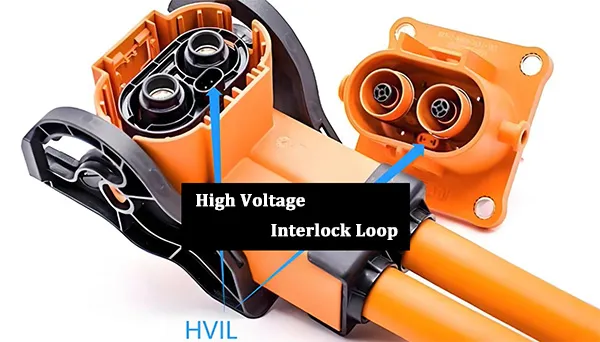
What Is HVIL?
I treat HVIL as a core battery pack safety feature that helps protect the high-voltage system before a pack is ordered. In a battery platform built around 400V or 800V architecture, HVIL is part of the safety chain that works with the BDU and BMS to support safe high-voltage control. For OEMs, that matters because pack safety is not just about capacity or fast charging—it is about how the system responds when something goes wrong.
Why It Matters
Before I approve a battery pack, I look at whether the safety design supports:
- Fast and reliable shutdown behavior
- Strong functional safety alignment
- Stable integration with BDU and BMS logic
- Real-world durability under harsh conditions
That is especially important for global programs where battery pack safety standards, testing discipline, and manufacturing control all matter. A supplier with ISO 26262 and UL 2580 capability, plus in-house validation and automated quality control, gives OEMs much more confidence in the full safety chain.
Common HVIL Misconceptions
HVIL is not a standalone feature
A common mistake is assuming HVIL by itself makes a pack safe. It does not. It should be evaluated as part of the full system, including the BDU, BMS, and overall pack design.
HVIL is not only about compliance
Compliance matters, but OEMs should also care about how the system performs in real use. Strong battery pack design should support predictive diagnostics, high-voltage protection, and consistent behavior during demanding operating conditions.
HVIL is not a minor detail
I see HVIL as something OEMs should check early, not late. If the safety architecture is weak, it can affect the entire pack program—from integration and validation to long-term reliability.
Key Factors OEMs Should Check About HVIL Before Placing Orders
Voltage and Current Compatibility of HVIL Switches
Ensuring the HVIL switch can handle the high voltage (400V or 800V systems) and current loads is crucial. A mismatch can lead to switch failure or false disconnections, risking safety and system integrity. Always verify that the switch’s rated voltage and current match your battery pack specifications to prevent potential hazards.
HVIL Switch Types: Mechanical vs. Electronic
There are two main types of HVIL switches: mechanical and electronic. Mechanical switches are simple, reliable, and often easier to troubleshoot, while electronic switches offer more advanced integration with the Battery Management System (BMS). Your choice should depend on your safety design, maintenance preferences, and compatibility with existing systems.
Ensuring HVIL Switch Durability and Lifespan
HVIL switches must withstand repeated disconnections and environmental stress over the battery’s lifetime. Durability testing—covering thermal cycling, vibration, and corrosion—is essential. A well-tested HVIL switch reduces the risk of failure during operation, maintaining safety and performance over time.
HVIL Wiring Configuration and Connection Standards
Proper wiring configuration is vital for reliable HVIL operation. OEMs should confirm that the wiring meets established connection standards and is compatible with the battery pack design. Correct wiring ensures the HVIL circuit functions flawlessly, preventing false alarms or missed disconnections.
Compliance with Safety and Industry Standards (UL, IEC, ISO)
All HVIL components must meet global safety standards like UL 2580, IEC, and ISO certifications. Compliance guarantees that the HVIL system has been tested against rigorous safety protocols, reducing liability and ensuring safe operation across different markets.
Impact of HVIL on Overall Battery Pack Safety and Performance
A properly designed HVIL system is a core safety feature that prevents high-voltage exposure during maintenance or in fault conditions. It directly influences the battery pack’s safety, reliability, and performance, making thorough checks on HVIL design and integration non-negotiable before placing your order.
How to Test HVIL Functionality Before Ordering
Testing HVIL (High Voltage Interlock Loop) is a critical step before placing an order for battery packs. Proper testing ensures the safety and reliability of the HVIL system, preventing costly issues down the line.
Standard Testing Procedures for HVIL
Start with basic continuity checks to confirm that the HVIL circuit is complete and properly wired. Use a multimeter to verify that the switch opens and closes correctly under normal conditions. Automated HVIL switch testing can also be employed to ensure consistent operation across large batches. For thorough validation, perform electrical safety tests aligned with battery pack safety standards, such as UL 2580 and ISO 26262 compliance requirements.
Simulating Fault Conditions to Verify HVIL Response
Simulating fault conditions is essential to confirm HVIL response. This involves intentionally creating electrical faults—like short circuits or disconnections—to see if the HVIL system triggers a safe shutdown. Fault simulation helps identify potential weak points, ensuring the system reacts swiftly during real emergencies. For example, testing the system’s response to wiring breaks or connector failures verifies that the HVIL can reliably disconnect high-voltage circuits when needed.
Field Testing and Validation Tips
Field testing involves real-world scenarios to validate HVIL performance over time. Install the battery pack in a controlled environment and subject it to vibration, thermal cycling, and ingress conditions (like IPX9K waterproof tests). Regularly check the HVIL circuit’s integrity and response during these tests. Monitoring the system’s behavior over extended periods helps catch issues like false triggers or slow disconnects before mass production.
Troubleshooting Common HVIL Issues
Common problems include false disconnections caused by loose wiring, connector corrosion, or environmental factors. If HVIL fails to trigger during fault simulation, inspect wiring configurations and connection standards thoroughly. Ensure that the wiring configuration adheres to the manufacturer’s specifications and safety standards. Regular durability testing, including HVIL wiring configuration checks and durability testing, helps prevent these issues. For detailed troubleshooting tips, consult testing protocols that cover electrical noise interference and connector integrity.
By following these testing steps, OEMs can confidently verify HVIL functionality, ensuring the safety, performance, and compliance of their battery packs before committing to large-scale orders.
Design Considerations for HVIL Integration
Placing HVIL switches thoughtfully is crucial for safety and ease of use. They should be positioned where technicians can access them quickly during maintenance or emergency shutdowns, without risking accidental disconnection. Proper placement minimizes the chance of false triggers caused by vibrations, thermal expansion, or physical impacts, which can compromise battery safety.
Reliability is key—select switches that can withstand harsh environments and repeated operations. For example, using high-quality mechanical or electronic HVIL switches tested for durability ensures long-term performance and safety. Regular HVIL durability testing helps confirm that the system maintains its integrity over the battery pack’s lifespan.
Integrating HVIL with the Battery Management System (BMS) is essential for a comprehensive safety approach. The BMS should be programmed to recognize HVIL status accurately, enabling it to cut off high voltage quickly if a fault occurs. This tight integration ensures that safety features activate seamlessly during abnormal conditions, helping prevent thermal runaway or electrical faults.
Designing for maintenance and replacement is also critical. HVIL switches should be easily accessible and simple to disconnect or replace without dismantling large sections of the battery pack. Clear wiring configurations and standardized connection standards help streamline service and reduce downtime, keeping your battery packs safe and reliable over their entire lifecycle.
HVIL FAQs for Battery Packs
What happens if HVIL fails?
If HVIL fails, I treat it as a high-voltage safety risk. The pack should not be considered ready for release until the fault path, BDU logic, and BMS response are verified again. For OEM programs, I look for ISO 26262 functional safety, strong pack-level protection, and clear fault handling in the battery management system.
Can HVIL be retrofitted?
Yes, but I would not treat it as a simple add-on. Retrofits need to fit the HVIL wiring configuration, connector design, and the pack’s existing BDU and BMS integration. If the pack platform is already built around 400V or 800V architecture, the retrofit has to be checked against the full safety design, not just the switch itself.
How often should HVIL be tested?
I test HVIL as part of regular validation, after design changes, and during production checks. For battery packs, the real focus is consistency: the loop should keep working across temperature, vibration, and charging stress. That matters even more on programs built for 4C fast charging or high-duty OEM use.

What are the signs of HVIL malfunction?
The signs I watch for are simple: – Unexpected high-voltage shutdowns – False disconnect signals – Faults that appear under vibration or moisture – Inconsistent behavior during pack assembly or service
If a supplier has 100% AI inspection, MES-controlled production, and a strong in-house lab, it is easier to catch these issues before shipment.
Are there industry standards for HVIL testing?
Yes. For me, the baseline is not just one standard. I look for a supplier that supports UL 2580, ISO 26262, and IATF 16949, backed by CNAS-certified testing across electrical, EMC, mechanical, thermal, and transport conditions. That kind of setup gives OEMs more confidence in real battery pack safety standards.
My short checklist
- Verify BDU and BMS integration
- Check HVIL compliance UL IEC ISO expectations from the program side
- Confirm durability under vibration, moisture, and thermal stress
- Ask for lab-backed evidence, not just design claims
- Make sure fault detection is fast, clear, and repeatable
For higher-voltage platforms, I also keep an eye on charging stress and pack behavior, especially in programs tied to 800V EV battery pack fast-charging infrastructure requirements.
 English
  German
  Chinese
  Spanish