
What Really Happens After 5 Years?
Battery Degradation After 5 Years
Most electric vehicle (EV) batteries experience some level of degradation after five years of use. This is a natural part of lithium-ion battery life, caused by ongoing chemical changes inside the pack. While it’s common to see some capacity loss, it doesn’t mean the battery is no longer usable.
Typical Capacity Loss and Range Reduction
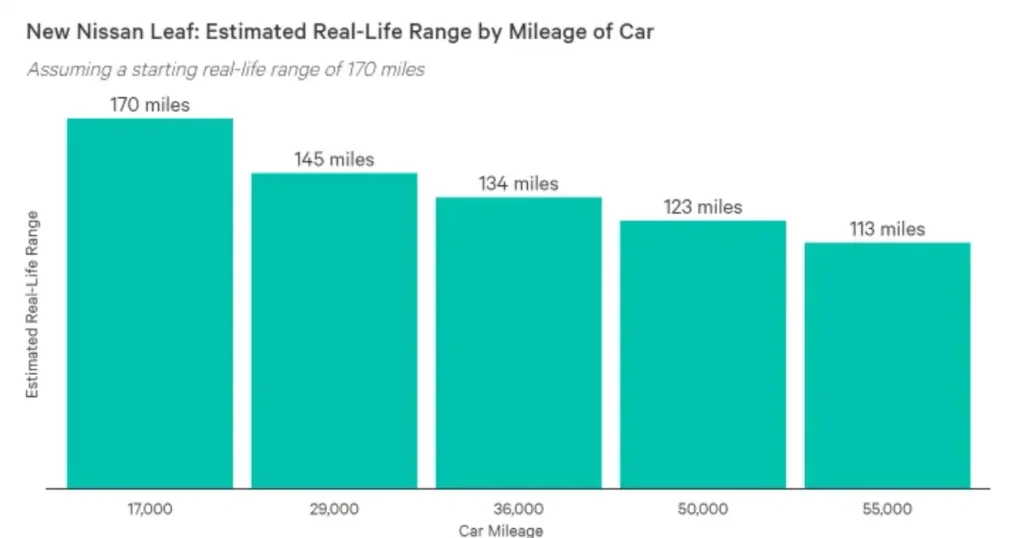
On average, EV batteries tend to lose about 10% to 15% of their original capacity over five years. This capacity loss translates to a reduction in driving range—often around 10% to 20%—but the exact figure depends on various factors like driving habits and climate. For example, a 250-mile range vehicle might see a decrease of about 25 miles, which remains manageable for most daily drivers.
Why EV Batteries Are Not “Dead” at 5 Years
It’s important to note that a 70% to 80% capacity retention after five years still provides plenty of useful range for daily use. EV batteries aren’t “dead” simply because they’ve lost some capacity; they’re still highly functional. Many owners continue to enjoy reliable performance well beyond the five-year mark.
How Battery Management Systems Help Preserve Performance
Modern EVs are equipped with advanced battery management systems (BMS) designed to protect and extend battery life. These systems:
- Monitor temperature, voltage, and state of health (SoH)
- Prevent overcharging and deep discharging
- Balance individual cells to ensure uniform wear
By actively managing these factors, BMS helps slow degradation, maintain performance, and prolong battery lifespan. This technology is key in ensuring EV batteries remain reliable for 8 years or more in many cases.
How Much Capacity Is Usually Lost?
On average, EV batteries tend to degrade at a slow, steady rate over time. Most manufacturers estimate the typical degradation rate to be around 1-2% per year, so after five years, the battery’s capacity usually drops to about 80-85% of its original. This isn’t a sudden loss but a gradual decline that many drivers barely notice in daily use.
When you look at real-world data, many owners find that their EV batteries retain about 70-80% of their initial capacity after five years. This capacity loss translates to a range reduction of roughly 10-15 miles per full charge in most cases, depending on the vehicle and driving habits. For instance, if you started with a 250-mile range, you could expect around 225-235 miles after five years.
What does 70-80% capacity really mean? Well, for most drivers, it’s still enough for everyday trips like commuting, grocery runs, and weekend errands. The initial range might shrink, but it usually remains practical for most daily needs. Plus, some automakers’ EV battery warranty coverage helps reassure owners that this gradual loss is expected and manageable.
What Affects EV Battery Health?

Several factors influence how well an EV battery holds up over time, especially after five years of use. Before diving into battery degradation rates, it’s good to understand what impacts battery performance and longevity.
Charging Habits and Fast Charging Frequency
How you charge your EV plays a big role. Frequent use of fast chargers can accelerate battery degradation because high power flow causes more stress on the battery cells. If you’re often charging at rapid speeds, it may reduce the overall lifespan and increase capacity loss over time. For better battery health, sticking to Level 2 chargers or slower charging options when possible is recommended. You can also check out how high-power fast charging impacts EV battery cycle life to understand the effects better.
Daily Mileage, Depth of Discharge, and Usage Patterns
The more you drive daily, especially with deep discharges — meaning fully draining the battery regularly — the more quickly your battery wears out. Keeping your battery charged between 20% and 80% can help preserve its capacity over time and extend its usable lifespan. Consistent, moderate use tends to slow down capacity loss and make your EV feel like new even after five years.
Hot vs. Moderate Climate Impact
Climate plays a role in battery health too. Hot environments accelerate chemical reactions inside the battery, leading to faster aging and capacity reduction. Conversely, moderate climates help maintain battery performance longer. Good thermal management systems, like liquid cooling, are crucial, especially in hotter regions, to keep the battery operating in its ideal temperature range.
Battery Chemistry and Pack Design
Different EVs use various lithium-ion chemistries, which influence durability and longevity. Packs designed with high-quality materials and modular configurations tend to better handle stress and thermal issues. Manufacturers often optimize pack design for high efficiency and stability, ensuring longer-lasting performance.
Thermal Management and Cooling Systems
Keeping the battery cool is vital. Many EVs incorporate sophisticated thermal management systems—like cooling plates or liquid cooling—to prevent overheating and reduce wear. Proper cooling helps slow down capacity loss and maintains stable operation as the battery ages.
Calendar Aging vs. Cycle Aging
Battery health is affected both by time (calendar aging) and how often you charge and discharge (cycle aging). Even if you’re not driving a lot, batteries slowly degrade over time. Regularly maintaining moderate charge levels and avoiding prolonged full charges when parked for long periods can help delay calendar aging.
Understanding these factors helps you better care for your EV battery and maximize its lifespan after five years.
Real-World Battery Performance
State of health in 5-year-old EVs
In real-world scenarios, most 5-year-old EVs still maintain a strong state of health (SoH), typically retaining around 70% to 80% of their original battery capacity. Fleet data shows that even with significant use, many EV owners don’t experience drastic range loss after five years. Proper battery management and Utah’s moderate climate help extend the lifespan, ensuring these vehicles stay reliable.
Fleet data and high-mileage examples
High-mileage EVs—think 100,000 miles or more—often still perform well, with many batteries showing steady capacity retention. For example, some Tesla or Chevrolet Bolt owners report minimal range decrease despite covering extensive distances. This demonstrates that, with good care, EV battery degradation rate isn’t rapid over the first five years.
How much range owners usually notice
Undoubtedly, owners tend to notice some reduction in range—typically around 10% to 15% after five years. For daily driving, this drop is usually manageable, and most drivers find their EVs still perfectly suited for regular commutes. It’s important to remember that battery capacity loss doesn’t mean the vehicle is unusable; it’s just a bit less lively than when new.
Why most drivers still see solid daily usability
Even with some capacity loss, the remaining battery capacity generally provides enough range for most Americans’ daily needs—commutes, errands, and short trips. Plus, battery management systems help optimize performance and prolong the useful life, making older EVs a practical choice even after 5 years. Maintaining good charging habits can further slow the natural degradation and keep your EV running smoothly for years to come.
EV Battery Warranty Coverage
Most EV manufacturers offer warranties typically lasting around 8 years or 100,000 miles, whichever comes first. These warranties are designed to give owners peace of mind, especially considering the potential EV battery degradation rate after 5 years.
What Battery Warranties Usually Cover
Standard EV battery warranties generally cover defects in materials and workmanship that lead to significant capacity loss or battery failure. This means if the overall capacity drops below a certain threshold — often around 70% — the manufacturer may replace or repair the battery. Some warranties also cover thermal management system issues and other key components critical to battery performance.
How Warranty Terms Apply After 5 Years
After the 5-year mark, most warranties still remain valid, but it’s important to check the specific terms. Many manufacturers stipulate a retention of capacity of at least 70-80% before coverage kicks in. This aligns with typical EV battery degradation, which often results in a manageable range reduction, especially if owners follow good charging habits.
What Owners Should Check Before Buying Used EVs
When purchasing a used EV, it’s crucial to verify the remaining warranty coverage and assess the battery’s state of health (SoH). Ask for detailed battery diagnostics reports, and consider a professional inspection if possible. Also, review the warranty transfer process—not all warranties are automatically transferable. Doing this helps ensure you’re not surprised by potential battery issues down the line and can evaluate the longevity of the battery based on its current capacity retention.
Knowing what’s covered under warranty and how batteries are evaluated helps you make a smarter, long-term decision about your EV’s durability and resale value. For more details on EV battery warranty specifics, check the comprehensive EV battery pack guide.
How To Make An EV Battery Last Longer
Extending your EV battery’s lifespan mainly comes down to good habits and smart maintenance. Proper charging routines, regular updates, and mindful usage can significantly reduce degradation and keep your battery healthy over time.
Best Charging Habits for Battery Health
To minimize the EV battery degradation rate, avoid constantly charging to 100%. Instead, aim for a daily charge range of 20% to 80%. Fast charging can be convenient, but frequent use of rapid chargers can accelerate calendar aging and cycle aging. Whenever possible, use Level 2 chargers for regular top-ups, as they are gentler on the battery and help retain capacity longer.
Managing Daily Charge Range
Maintaining a moderate level of charge prevents unnecessary stress on the battery. For daily driving, keeping the state of charge (SoH) between 30% and 70% is ideal. This approach reduces the depth of discharge, which has been shown to slow down capacity loss over time.
Reducing Unnecessary Battery Stress
Smart usage habits make a big difference:
- Limit fast charging: Use it sparingly, especially for routine top-ups.
- Avoid draining the battery completely: Try not to go below 10% regularly.
- Avoid extreme temperatures: Parking in shaded or climate-controlled areas reduces heat stress on batteries.
These simple habits help preserve the battery’s high quality and durability, ensuring stable operation for years to come.
Leveraging Software Updates and Battery Monitoring
Vehicle manufacturers often release software updates that optimize battery management systems for improved performance and longevity. Keeping your EV’s software current ensures you benefit from the latest durability improvements and safety features. Regularly monitoring battery health through the vehicle’s built-in tools can also alert you to early signs of capacity loss, allowing timely adjustments to your driving or charging habits.
By combining these best practices, you can extend your EV battery lifespan, getting the most durability and energy efficiency out of your investment. For more insights on how battery management systems contribute to stability and longevity, check out how BDU integrates with BMS to enhance EV battery safety.
What Happens After Vehicle Use?
Once an EV battery is no longer ideal for driving, it often gets a second life in various applications, thanks to its remaining capacity and performance. Even after around five years or more, these batteries still hold value due to their durability and predictable degradation rate.
Many used EV batteries are repurposed for energy storage systems in homes and businesses. These systems can act as backup power sources or help offset electricity costs, especially when paired with renewable energy like solar. As an affordable and sustainable solution, repurposed EV batteries support a circular battery lifecycle, reducing waste and environmental impact. You can learn more about designing these systems in the residential energy storage system guide with lithium batteries.
Additionally, large-scale battery packs are valuable for grid support and renewable energy storage. They help balance supply and demand, provide backup power during outages, and store excess energy generated from wind or solar farms. This ongoing use extends the life of batteries beyond their original purpose, making them a smart investment even after five years of use in electric vehicles.
EV Battery Recycling
Electric vehicle (EV) battery recycling is becoming increasingly important as more EVs reach the end of their useful life. The process involves carefully disassembling old batteries to recover valuable materials like lithium, cobalt, nickel, and other metals. These recovered materials can then be reused to manufacture new batteries, helping to reduce the need for mining and lessen environmental impact.
Material recovery from old EV packs not only supports a sustainable battery lifecycle but also reduces waste and minimizes the footprint of battery production. This
Future of EV Battery Lifespan
The future of EV battery lifespan looks promising thanks to ongoing innovations in battery technology. New chemistries and smarter pack designs are helping batteries degrade more slowly over time, which means they’ll stay healthier longer. This improved durability translates to higher energy efficiency, better system performance, and a longer overall lifespan for modern EVs.
As battery durability advances, owners can expect less capacity loss after 5 years and beyond, ultimately boosting resale value and reducing the worry about early replacement costs. For those considering an EV purchase today, these improvements mean your vehicle will potentially retain its range and reliability well into the future.
In addition, better thermal management systems and innovative materials are helping keep batteries cool and stable during use, which contributes significantly to extending their lifespan. This progress aligns with a more sustainable EV lifecycle, making electric vehicles even more attractive for long-term ownership.
With ongoing tech breakthroughs, EV batteries are becoming not only more durable but also more cost-effective, ensuring a smarter investment for drivers across the United States. For a deeper dive into the latest in battery tech, check out our electric battery pack guide.
 English
  German
  Chinese
  Spanish