
Introduction to EV Battery Packs Challenges and the Need for Alternatives
Electric vehicles (EVs) are increasingly popular as a clean and efficient transportation choice. However, widespread adoption faces significant hurdles, especially related to battery technology. Lithium-ion batteries, currently the dominant technology, have limitations including high costs, supply chain risks, and environmental concerns. As automakers strive for longer range, better safety, and lower costs, new alternatives like sodium-ion batteries are gaining attention.
Understanding the chemistry behind these batteries is critical. Lithium-ion batteries use lithium-based materials for their electrodes, offering high energy density but relying on a resource that is finite and concentrated in certain parts of the world. Sodium-ion batteries, by contrast, utilize sodium, which is abundant and more evenly distributed globally. Comparing sodium-ion and lithium-ion batteries is essential for assessing their feasibility for EVs, particularly in the context of future manufacturing and sustainability.
The key difference lies in their materials and overall performance potential. While lithium-ion batteries dominate today’s EV market, sodium-ion batteries are emerging as a promising alternative, especially for applications where cost, resource abundance, and safety outweigh the need for ultra-high energy density. As the industry moves toward 2026 and beyond, a clear understanding of these technologies’ strengths and limitations will help shape the future of electric vehicle battery packs.
How Sodium-Ion and Lithium-Ion Batteries Work
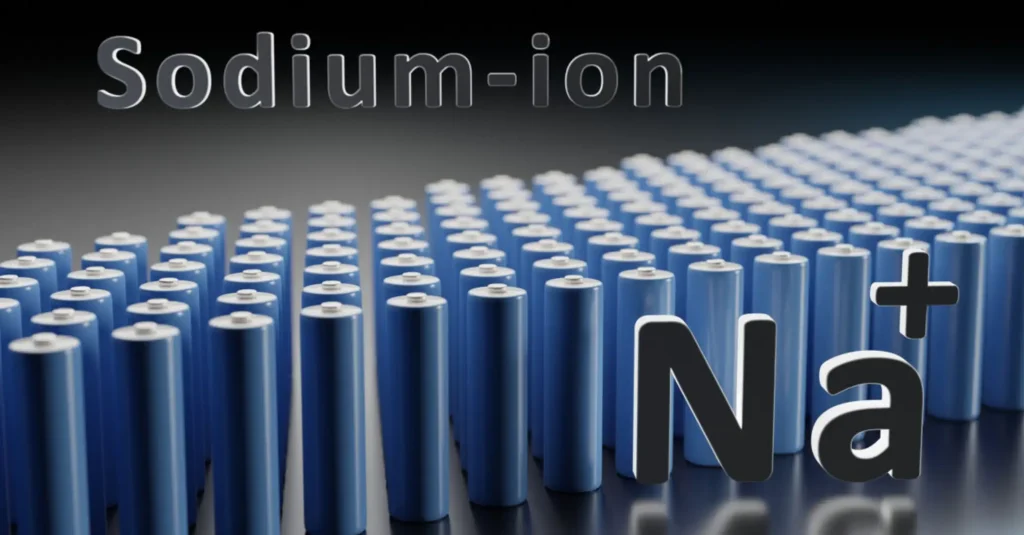
Both sodium-ion and lithium-ion batteries store and release energy through similar basic principles but have important material differences. They use electrodes and electrolytes to create a flow of ions, generating electricity.
Operating Principles
- Lithium-ion batteries: During charging, lithium ions move from the cathode to the anode through the electrolyte. During discharge, ions flow back, powering the motor.
- Sodium-ion batteries: Work the same way, but sodium ions replace lithium. This simple switch impacts performance and costs.
Material Differences
| Feature | Lithium-Ion | Sodium-Ion |
|---|---|---|
| Electrode Material | Lithium cobalt oxide, nickel, or manganese | Sodium-based compounds like NaNiCoMnO2 |
| Electrolyte | Organic solvents with lithium salts | Similar solvents with sodium salts |
| Ion Size | Smaller, allowing higher energy density | Larger, with potential for lower energy density |
Manufacturing Compatibility & Cell Formats
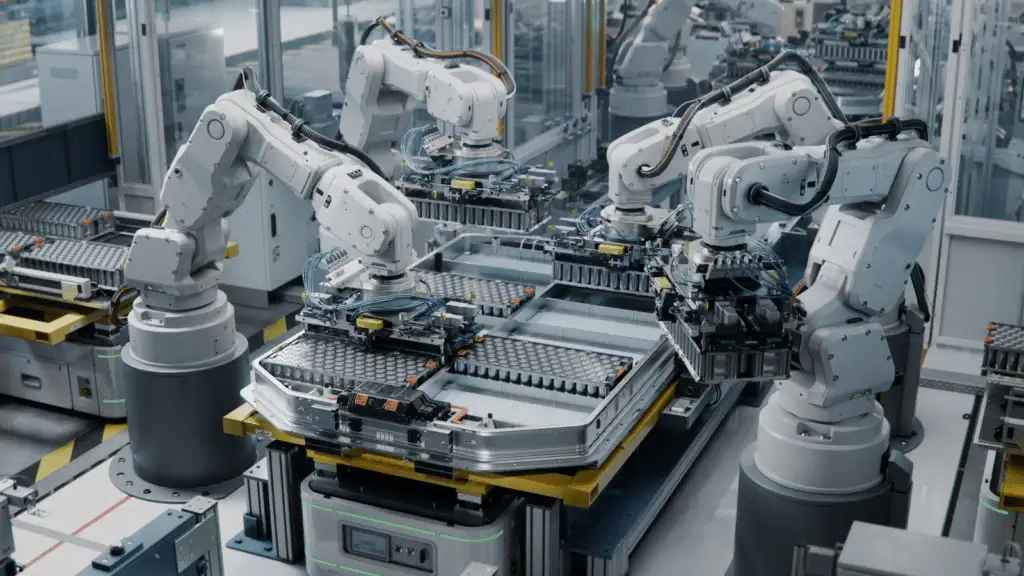
- Compatibility: Sodium-ion cells can be produced using existing lithium-ion manufacturing lines, but adjustments are needed for electrode materials.
- Cell Formats: Sodium-ion batteries are increasingly available in pouch, cylindrical, and prismatic formats – similar to lithium-ion EV packs. This makes integration into existing vehicle architectures feasible, but differences in chemistry can impact manufacturing costs and speed.
Understanding these fundamental differences helps us compare their suitability for EVs across range, cost, safety, and longevity. For more on how battery packs are integrated and their impact on EV performance, check out how battery packs boost EV range and lifespan.
Head-to-Head Technical Comparison of Sodium-Ion vs Lithium-Ion Batteries
When comparing sodium-ion and lithium-ion batteries for EVs, a few key factors stand out: energy density, power, cycle life, safety, and real-world performance. These elements impact vehicle range, longevity, and safety—crucial for automakers and consumers alike.
Energy Density (Wh/kg and Wh/L)
- Lithium-ion batteries typically offer higher energy density:
- Wh/kg: 150–250
- Wh/L: 300–600
- Sodium-ion batteries generally have lower energy density:
- Wh/kg: 100–150
- Wh/L: 200–400
This gap means lithium-ion packs can store more energy in a smaller space, translating to longer EV range. However, sodium-ion’s lower density might limit range but could benefit applications where space is less constrained, like urban or short-range EVs.
Power and Efficiency
- Both chemistries can deliver quick charging and high power, but lithium-ion batteries currently lead in efficiency due to their mature technology.
- Sodium-ion batteries are improving but still lag in charging speeds and overall power output.
Cycle Life and Temperature Performance
| Aspect | Lithium-Ion | Sodium-Ion |
|---|---|---|
| Cycle life | 1,000–2,000 cycles | 800–1,500 cycles |
| Cold weather performance | Good with thermal management | Better in cold conditions due to lower freezing points but still developing |
| Temperature stability | Sensitive; needs cooling systems | More stable at extreme temperatures, good for cold climates |
Cycle life impacts how often you need to replace or service batteries, directly influencing the total cost of ownership. Sodium-ion’s resilience to cold conditions makes it promising for colder US regions.
Safety Profiles and Risks
- Lithium-ion batteries are more prone to thermal runaway risks, especially if damaged or improperly managed.
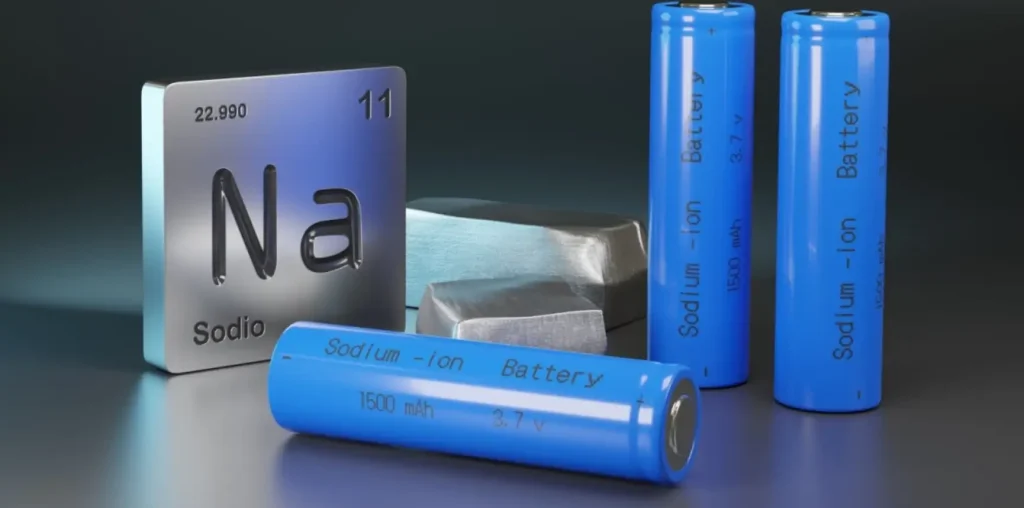
- Sodium-ion batteries have a more stable thermal profile and lower risk of fire or thermal runaway, making them potentially safer for widespread use. You can explore safety considerations in high-power fast-charging effects on EV battery cycle life.
Real-World Data & Comparison Tables
| Feature | Lithium-Ion | Sodium-Ion |
|---|---|---|
| Typical energy density | 150–250 Wh/kg | 100–150 Wh/kg |
| Cycle life | 1,000–2,000 cycles | 800–1,500 cycles |
| Cold weather performance | Moderate | Better |
| Cost (cell level) | Higher | Lower |
While lithium-ion batteries remain the industry standard, sodium-ion is catching up, especially in safety and cost aspects, which could change the game in the next few years for EVs.
Cost Analysis and Economic Impact of Sodium-Ion vs Lithium-Ion Batteries for EVs
When comparing sodium-ion and lithium-ion battery packs for EVs, cost is a big factor. Right now, sodium-ion batteries tend to have lower raw material costs because sodium is much more abundant and cheaper than lithium. This can translate to significant savings at the cell level.
Cell-level costs are usually influenced by material costs, manufacturing complexity, and cell format. Sodium-ion cells are still developing, so their manufacturing processes aren’t as optimized as lithium-ion, which can make upfront costs higher. However, as scale increases, sodium-ion costs are expected to drop.
On the pack level, the total cost of ownership depends on not just the cell price but also how easy it is to assemble and maintain the pack. Sodium-ion batteries might have slightly lower initial costs but could face challenges with longevity or safety, which affect long-term expenses.
Supply chain stability is another piece of the puzzle. Lithium supply risks—like geopolitical issues and limited sources—drive up costs and create uncertainty. In contrast, sodium is widely available from many sources, improving supply chain resilience.
Looking ahead, future cost trends for 2026–2030 suggest that sodium-ion batteries could become more attractive financially, especially as improvements in energy density and cycle life boost value. These trends could make sodium-ion systems a viable alternative for entry-level and short-range EVs, where cost savings are a priority. For a detailed cost comparison, check out how battery pack integration can improve EV range and reduce overall costs.
Battery Feasibility for EVs: Strengths and Limitations
Sodium-ion batteries show promise for specific EV applications, especially where cost and resource abundance matter most. They’re well-suited for entry-level, short-range, and cold-climate vehicles — areas where current lithium-ion technology might face limitations or higher costs. For example, sodium-ion’s lower raw material costs and easier sourcing make it attractive for budget-conscious markets or fleets that prioritize affordability.
However, there are trade-offs to consider. Sodium-ion batteries tend to have lower energy density—meaning they can’t match the range and performance of lithium-ion packs like LFP batteries. This limits their use in long-range or high-performance vehicles but makes them suitable for vehicles with a focus on travel within city limits or shorter commutes. Additionally, their cycle life and battery longevity are still being improved, especially in cold weather conditions, where performance can typically dip.
Some automakers and battery developers are already running early deployments and pilot projects using sodium-ion cells, particularly in lower-demand or regional EVs. These projects help gather real-world data and demonstrate the technology’s potential. Hybrid architectures—combining sodium with lithium-ion chemistries—are also being explored to balance cost savings with enhanced performance, offering a practical pathway for broader adoption. This approach aims to optimize the benefits of both cell types, especially in applications where total cost of ownership and supply chain stability are critical.
If you want to dive deeper into how these batteries are being integrated into EVs, check out EV battery system architecture and safety diagnostics.
Environmental and Sustainability Benefits of Sodium-Ion Batteries
Sodium-ion batteries offer some clear advantages when it comes to resource abundance and ethical sourcing. Sodium is widely available—it’s the sixth most common element on Earth—making it much easier and cheaper to source compared to lithium. This abundance could help stabilize supply chains and lower the risk of price spikes, especially as demand for EV batteries grows in the U.S.
From a lifecycle perspective, sodium-ion batteries show promising recycling potential. Because they don’t require as many critical minerals, recycling efforts can be more straightforward, reducing the environmental impact. They are also less harmful to ecosystems during mining and production, which supports a more sustainable EV battery ecosystem overall.
In terms of the circular economy—where batteries are reused, repurposed, or recycled—sodium-ion technology aligns well with ongoing efforts to reduce waste and dependence on critical minerals. This can help automakers and consumers alike cut down the environmental footprint while boosting EV adoption. For more on sustainable sourcing and recycling strategies, check out designing sustainable EV battery packs for easy recycling and second life.
Challenges and Barriers to Widespread Adoption
Switching to sodium-ion batteries for EVs faces several hurdles. One big issue is the energy density. Sodium-ion batteries tend to have lower energy density compared to lithium-ion, which limits their range and makes them less ideal for long-distance driving. Improving cycle life and charging speed is another challenge; sodium-ion cells often don’t last as long and can take longer to charge, impacting daily usability.
Beyond tech issues, developing the infrastructure needed for sodium-ion EV batteries is crucial. This means creating factories, supply chains, and charging networks that support these new batteries. Currently, most industry players are focused on lithium, so a shift would need regulatory support and market incentives.
Regulatory hurdles and market acceptance also slow adoption. Governments and standards bodies need to recognize sodium-ion technology’s potential and set safety and performance benchmarks. A clear roadmap for scaling production and improving these batteries is vital; without it, mass-market adoption could be delayed.
To sum up, overcoming these challenges requires technological advances, supportive regulation, and significant infrastructure investments. Only then can sodium-ion batteries become a viable alternative to lithium-ion in the evolving EV landscape. For more details on scaling battery manufacturing, check out scaling-ev-battery-pack-manufacturing-from-prototype-to-mass-production.
Future Outlook and Strategic Outlook: Will Sodium-Ion Replace or Complement Lithium-Ion?
As we look ahead, it’s clear that sodium-ion batteries are unlikely to fully replace lithium-ion batteries in the near future. Instead, they are more likely to complement existing technologies, filling specific gaps in the EV market. The main strength of sodium-ion lies in its resource abundance and potential for lower costs, making it an attractive option for entry-level and short-range EVs—especially in colder climates where performance can be a concern for lithium-based batteries.
Innovation trends suggest that hybrid systems combining sodium and lithium — sometimes called hybrid sodium-lithium batteries — could balance performance with cost-effectiveness. This approach can address sodium-ion’s current limitations around energy density and cycle life while leveraging its strengths in sustainability and resource availability.
LEAPENERGY is actively investing in next-generation batteries, focusing on closing the performance gap with lithium-ion while improving safety and longevity. Our research and development efforts aim to push sodium-ion technology towards higher energy density and faster charging speeds, critical for broader EV adoption.
For automakers and consumers, the key takeaway is that sodium-ion batteries are poised to play a strategic role in the EV battery technology roadmap—especially for specific use cases like short-range or cold-weather vehicles. Staying updated on these technological advancements will be essential, as the market could see a gradual shift toward more sustainable and cost-efficient energy storage solutions over the next few years.
See our EV battery technology roadmap for a detailed look at future trends and how sodium-ion fits into the bigger picture.
 English
  German
  Chinese
  Spanish