
Introduction: Overview of Wireless Charging for EVs
Wireless charging for electric vehicles (EVs) is rapidly becoming a popular solution for both consumers and fleet operators. Unlike traditional plug-in chargers that require manual connection, wireless charging offers a seamless, hands-free way to power EVs. This technology uses electromagnetic fields to transfer energy from a ground-based coil to a coil in the vehicle, creating a convenient and efficient charging experience.
One key reason this trend is gaining momentum is the growing demand for wireless power transfer (WPT) efficiency in EVs. As EV adoption increases, users and fleet operators look for safer, more reliable, and easier charging options. Wireless systems reduce wear and tear on connectors, decrease maintenance needs, and improve user convenience—making them particularly attractive for busy charging stations and autonomous vehicle fleets.
Furthermore, advancements in standards like SAE J2954 are ensuring more consistent and safe wireless charging experiences across different vehicle brands and models. As these standards evolve, we can expect better coil-to-coil efficiency and compatibility, bringing reliable wireless power transfer even to high-power applications like heavy-duty EVs.
Overall, the combination of enhanced convenience, safety, and ongoing technological innovation is helping wireless charging for EVs become a vital part of the future charging landscape.
Basics of Wireless Charging Interfaces: How Wireless EV Charging Works
Wireless charging for EVs relies on electromagnetic principles to transfer energy without physical plugs. At its core, it involves two main components: the ground assembly coil and the vehicle coil. The ground coil is installed on the charging pad or station, while the vehicle coil is embedded in the EV’s battery pack or undercarriage. When aligned properly, these coils create a magnetic field that transfers power across the air gap.
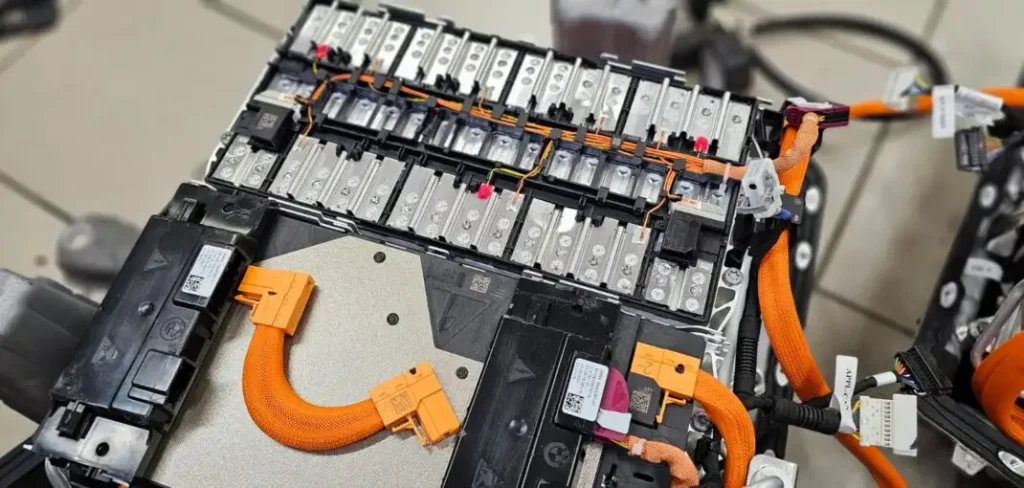
Power electronics play a crucial role in this system by converting AC from the grid into a high-frequency AC signal suitable for wireless transfer. The system then uses resonant inductive coupling — a technique that enhances efficiency — to transfer energy efficiently from the ground coil to the vehicle coil. This setup not only provides a convenient way to charge but also supports high power levels aligned with SAE J2954 standards for safety and performance.
In essence, the wireless EV charging interface consists of coils, resonant circuits, and precise control electronics that ensure smooth energy transfer, minimal losses, and safety adherence. As technology advances, these components work together to improve the overall efficiency of wireless charging, making EV ownership more practical and user-friendly. For a deeper look into how battery pack design influences charging, check out how battery pack design shapes EV range and charging speed.
Resonant Inductive Power Transfer (IPT): The Core of Wireless Charging Efficiency for EV Battery Packs
Resonant inductive power transfer (IPT) is the key technology driving wireless charging for EVs. At its core, IPT relies on creating a magnetic field that efficiently couples energy between the charging station and the vehicle. Instead of traditional wired connections, this method uses coils — a ground assembly coil and a vehicle coil — that resonate at the same frequency. When properly tuned, these coils generate strong magnetic fields, enabling energy to transfer seamlessly across the air gap with minimal losses.
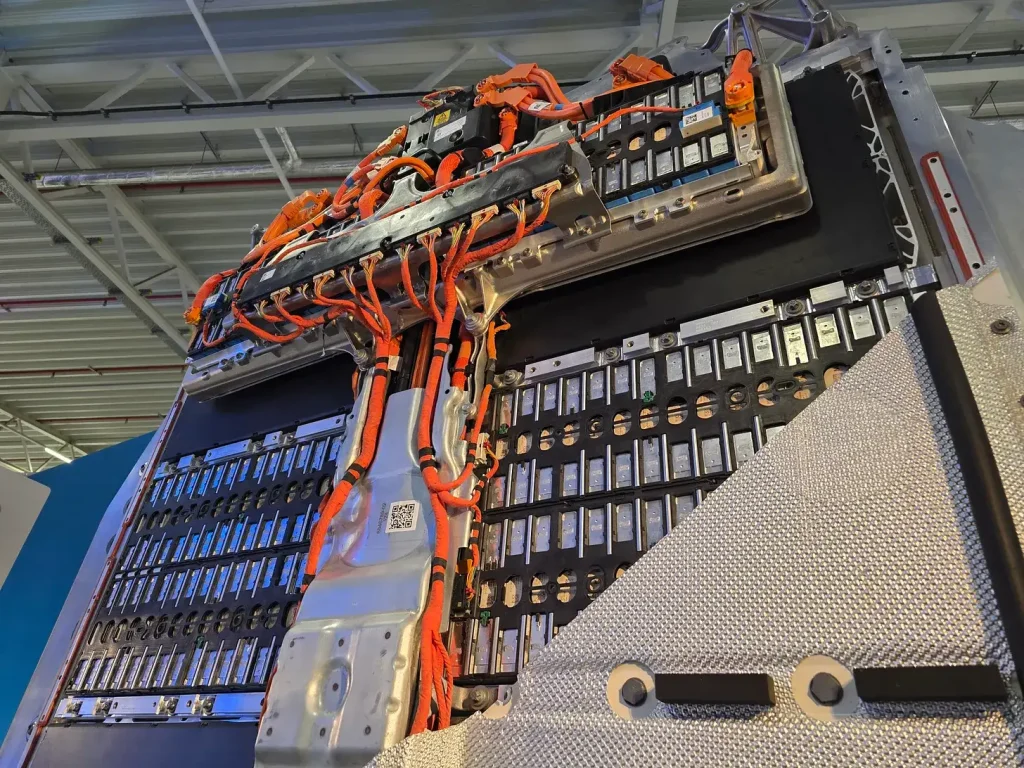
The physical principle here is magnetic resonance: the coils oscillate at a specific frequency, amplifying the magnetic fields that link the charger and the EV’s battery system. This resonance significantly boosts transfer efficiency by reducing energy leakage, even when there are small misalignments. So, for EV users, especially in high-power, fast-charging scenarios, resonant IPT offers a reliable and efficient way to wirelessly power their batteries while on the move or parked.
This technology’s effectiveness depends heavily on maintaining the right magnetic resonance conditions, which involves precise control of the magnetic fields. As a result, IPT systems must be carefully designed to optimize the magnetic coupling and minimize energy losses, ensuring fast, reliable charging for EVs across different operational environments.
System Architecture and Signal Path: From Grid to Battery in Wireless Charging for EVs
The system architecture for wireless charging interface efficiency in EV battery packs involves several key steps that start at the power grid and end at the battery. First, incoming AC power from the grid is rectified into DC, which is then inverted back into AC at the required frequency to enable efficient wireless power transfer. This process ensures the power matches the resonant frequency of the coils, optimizing coil-to-coil efficiency during charging.
Next, the coupling section involves transferring energy through magnetic fields between the ground assembly coil and the vehicle coil. The strength and alignment of these magnetic fields are critical for reducing wireless EV charging losses, especially in real-world environments where misalignment can occur. This is where technologies like alignment methodology wireless EV chargers come into play to improve overall efficiency.
After the transfer, the energy is rectified again inside the vehicle to charge the high-voltage battery pack. The battery management system (BMS) plays a vital role here, integrating with the wireless charging system to monitor and ensure safe, efficient charging. Well-designed BMS integration also helps manage thermal behavior and prevent overcharging, which can influence the grid-to-battery efficiency of the system.
The role of high-voltage battery packs is central in wireless charging for EVs. They store the energy transferred wirelessly and supply the vehicle’s power needs. The design and thermal management of these packs directly impact wireless charging efficiency, helping to minimize losses during high-power wireless charging sessions. For more on how proper battery pack integration boosts EV range and reduces manufacturing costs, see battery pack integration cuts manufacturing costs.
Efficiency Measurement and Benchmarks in Wireless Charging Interface Efficiency for EV Battery Packs
Measuring the efficiency of wireless charging for EVs is crucial to understanding how well energy transfers from the grid to the battery. Typically, efficiency is assessed in a few ways: coil-to-coil, end-to-end, and grid-to-battery.
Coil-to-coil efficiency focuses on how well energy moves between the ground and vehicle coils, which is influenced by factors like air gap and coil alignment. End-to-end efficiency considers the entire charging process, from the AC power entering the system to the energy stored in the battery. Finally, grid-to-battery efficiency captures overall system performance, including power electronics and control systems.
In real-world settings, static wireless charging systems—where the vehicle is parked—generally reach efficiency levels between 85% and 95%, depending on coil design and alignment. Dynamic wireless charging, where vehicles are charging while moving, tends to have slightly lower efficiency ranges, often around 70% to 85%, due to varying operating conditions and misalignment chances.
Benchmarks from lab tests show that with optimized systems, wireless interfaces can surpass 95% efficiency, but real-world factors like environmental conditions, air gaps, and misalignments can cause losses. For EV manufacturers, understanding these efficiency benchmarks helps optimize designs for minimal energy loss, which directly impacts operational costs and user experience. For example, reducing losses in the wireless charging interface can enhance overall system efficiency, making EV ownership more practical and cost-effective. To stay ahead, companies are also exploring advanced compensation topologies and AI-based alignment techniques that push efficiency even higher during both static and dynamic charging scenarios.
Factors Affecting Wireless Charging Efficiency
When it comes to wireless charging for EVs, a few key factors can significantly impact the overall efficiency of the system. One of the biggest issues is the air gap between the ground assembly coil and the vehicle coil. Even small misalignments can cause substantial drops in coil-to-coil efficiency, increasing energy losses during transfer. Proper coil placement and alignment methodology are crucial here—like using advanced sensors or AI-assisted positioning—to minimize these losses and ensure optimal performance.
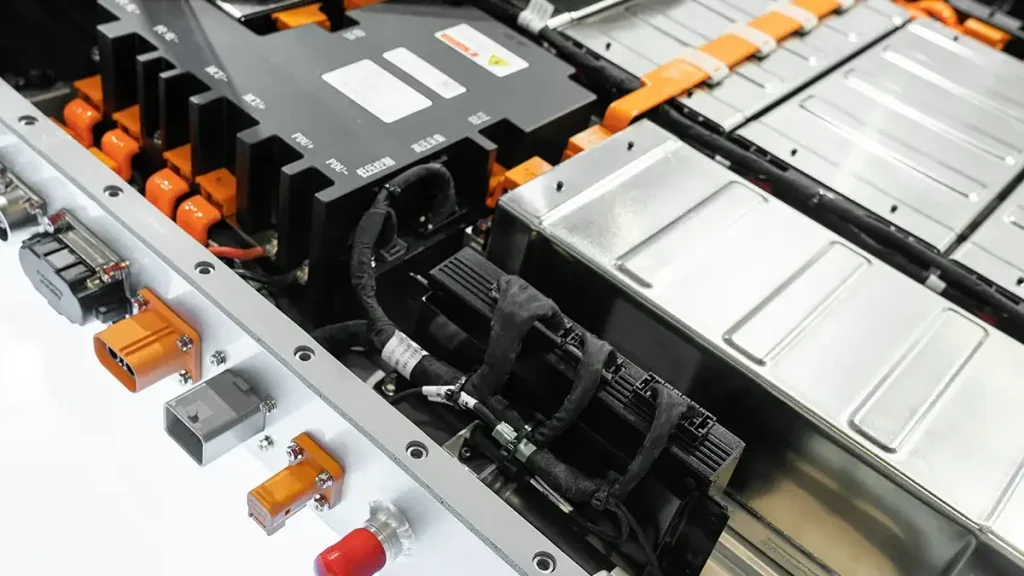
Operating frequency and coil design also play a major role. Choosing the right frequency, typically in the resonant inductive coupling range, can maximize magnetic field coupling and reduce energy dissipation. Conversely, if the system operates outside the optimal frequency range, efficiency drops. The design of coils, including shape, size, and the number of turns, can help tailor the system to specific power levels and operational conditions, like static or dynamic charging scenarios.
Thermal and environmental factors also impact wireless charging efficiency. High ambient temperatures or exposure to moisture, dust, and other environmental conditions can cause components to heat up or degrade, increasing losses and reducing overall system performance. Effective thermal management practices, such as cooling channels or heat sinks, are essential to maintain high efficiency and safeguard the hardware, especially during high-power charging sessions. For more on managing thermal effects, see LeapEnergy’s guide on EV battery wireless integration and thermal management practices.
Standards and Compliance for Wireless Charging Interface Efficiency in EV Battery Packs
Standards play a vital role in ensuring wireless charging for EVs is reliable, safe, and efficient. The SAE J2954 standard is currently the leading framework specifically designed for wireless power transfer (WPT) in electric vehicles. It sets clear guidelines for interoperability, safety, and performance, making it easier for manufacturers and consumers to trust wireless charging systems. Besides SAE J2954, international standards like IEC 61980 and ISO 15118 also help harmonize wireless charging interfaces, ensuring consistent quality and compatibility across different brands and models.
Standardization is crucial because it helps reduce losses during power transfer, improves efficiency, and minimizes safety risks. For example, adhering to these standards guarantees that the electromagnetic fields (EMF) are within safe limits, reducing concerns about electromagnetic interference or exposure. Moreover, it ensures that wireless chargers can reliably detect foreign objects and prevent accidental energization, which is key for safety and long-term system performance.
Compatibility considerations are equally important when integrating battery packs with wireless charging interfaces. Standardized connections and communication protocols support seamless operation across various EV models and battery pack designs. As the industry moves toward higher efficiency and faster charging, following these standards also helps optimize the overall system, including thermal management to prevent overheating and heat buildup during high-power wireless charging sessions. For more on how standards influence EV battery pack safety and design, check out LEAPENERGY’s overview of EV battery pack standards.
Optimization Strategies to Maximize Wireless Charging Interface Efficiency for EV Battery Packs
To get the most out of wireless charging systems, especially for EVs, several strategies focus on boosting the efficiency of the wireless power transfer (WPT) process. These include designing advanced coils, implementing compensation topologies, and using AI-assisted alignment methods.
Advanced coil designs are crucial for reducing losses. Using optimized coil geometries and materials can improve coil-to-coil efficiency, even with slight air gap misalignments. This is especially important because perfect alignment is tough to maintain in real-world conditions.
Compensation topologies help mitigate reactive power losses. Techniques like series or parallel compensation circuits tune the system to enhance resonance, increasing overall efficiency during static and dynamic wireless EV charging.
AI-assisted alignment methods are becoming more popular. These systems use sensors and machine learning algorithms to precisely position the vehicle coil relative to the ground coil, minimizing the air gap and misalignment impacts.
Heat management during high-power wireless charging is another key point. As power levels increase, so does heat buildup, which can cause efficiency losses and damage components. Implementing proper cooling techniques—like liquid cooling or advanced thermal interface materials—helps keep coils and power electronics at optimal temperatures, maintaining high efficiency for long sessions.
In , combining these strategies—through superior coil design, smart compensation, and real-time alignment—can significantly improve the efficiency of wireless charging interfaces for EV battery packs, making dynamic and static charging smoother, faster, and more reliable.
For detailed insights on designing durable, automotive-grade battery packs that integrate effectively with wireless systems, this resource offers valuable guidance.
Impact on EV Battery Pack Design
Integrating wireless charging interfaces into EV battery packs influences both how the packs are built and how they perform. When designing packs for wireless power transfer (WPT), manufacturers need to incorporate components that support efficient energy transfer while managing heat and minimizing losses.
Proper thermal management is key to preventing heat buildup during high-power wireless charging. Using materials with good heat dissipation properties and designing cooling systems helps keep temperatures stable, which in turn preserves battery life and safety. For example, advanced thermal solutions can reduce warm spots and avoid thermal runaway risks.
Wireless charging also impacts the overall size and thermal behavior of the battery pack. Because efficient WPT relies heavily on coil alignment and reducing air gaps, packs might need to include features like built-in coil positioning guides or adaptive BMS (Battery Management Systems). These solutions help optimize coil alignment and improve system efficiency, ensuring the pack performs well in real-world conditions.
Additionally, BMS plays a vital role in monitoring thermal conditions, voltage, and current during wireless charging. A well-integrated BMS can adjust charging parameters dynamically, enhancing efficiency and safety during opportunity charging or high-power sessions. For manufacturers, designing battery packs with compatibility for advanced BMS and safety protocols—like those described in LEAPENERGY’s EV battery solutions—is crucial for maximizing wireless charging benefits.
Overall, seamless integration of wireless systems into EV battery packs means balancing energy transfer efficiency, heat management, and safety—resulting in lighter, more durable packs that support fast, reliable wireless charging across the U.S. market.
Benefits Beyond Efficiency
Wireless charging for EVs offers more than just better interface efficiency — it brings several practical advantages for users and the grid.
User Convenience
- Simply park and charge — no plugging in needed.
- Ideal for busy lifestyles and commercial fleets.
- Supports opportunity charging, which means topping up batteries in short stops, helping reduce overall battery pack size.
Reduced Mechanical Wear
- No physical connectors mean less wear and tear.
- Less risk of damage from dirt, corrosion, or accidental pulls.
- Lowers maintenance costs and extends system life.
Smaller, Lighter Battery Packs
- With efficient wireless charging, EVs can have smaller batteries.
- This can lead to lighter vehicles, which improves range and performance.
- Allows for more flexible vehicle designs and possibly lower manufacturing costs.
Grid and System Benefits
- More flexible charging patterns can help balance the grid.
- Facilitates opportunity charging during off-peak hours.
- Enhances overall system efficiency by reducing upfront infrastructure costs and enabling smarter energy use.
Explore how wireless charging integration is changing EV design and operation by checking insights on modular battery packs, which align well with the benefits of wireless tech.
Future Trends and Innovations in Wireless Charging Interface Efficiency for EV Battery Packs
Looking ahead, innovative high-efficiency coil technologies and advanced materials are set to revolutionize wireless power transfer (WPT) for EVs. These emerging coil designs aim to boost the coil-to-coil efficiency, even with slight misalignments, making wireless charging more reliable and faster. Researchers are also exploring newer resonant inductive coupling methods that improve magnetic field transfer and reduce energy losses, which directly enhances overall system efficiency.
In addition, improvements in dynamic wireless power transfer performance will enable more seamless, on-the-move charging—ideal for long-haul trucks and busy urban commuters. Cutting-edge battery packs, designed specifically for wireless charging, will feature enhanced thermal management systems to minimize heat buildup during rapid, high-power transfers. These optimized packs will enable higher power levels without compromising safety or longevity, bringing down the total cost of ownership.
Standards are evolving rapidly too, with updates to SAE J2954 and other international guidelines, ensuring compatibility across different brands and equipment. As standards mature, we’ll see broader adoption and consistency in system efficiency benchmarks, pushing the entire industry towards better performance and safety.
Overall, these innovations will make wireless EV charging more efficient, reliable, and scalable. This paves the way for widespread opportunity charging—reducing vehicle battery size needs and unlocking new possibilities for EV owners across the U.S., from daily commuters to commercial fleet operators. LEAPENERGY is actively working on integrating these future-ready solutions to meet the increasing demands of the EV industry and ensure seamless, high-efficiency wireless charging experiences.
Wireless Charging Interface Efficiency and Future Potential
Wireless charging interface efficiency is a key factor shaping the future of EV battery packs and overall electric vehicle performance. Today’s wireless power transfer (WPT) technologies are already delivering respectable grid-to-battery efficiency, especially with advanced resonant inductive coupling and optimized coil designs. Although challenges like air gap misalignment and thermal management remain, ongoing improvements continue to close the gap with traditional plug-in charging methods.
Looking ahead, the integration of wireless charging systems with EV battery packs offers exciting opportunities—such as reduced mechanical wear, enhanced user convenience, and smarter opportunity charging to trim battery size and weight. Emerging standards like SAE J2954 provide the reliability and safety framework needed for broader adoption, while innovations in dynamic wireless charging could reshape how fleets and everyday users recharge on the go.
At LEAPENERGY, we’re actively pushing the boundaries of EV battery solutions by developing cutting-edge battery packs specially designed to maximize wireless charging efficiency and safety. Our expertise in battery pack solutions for commercial EVs and the seamless integration of battery disconnect units (BDUs) with battery management systems (BMS) ensures that our products meet the high demands of wireless charging environments. Explore how our advanced 800V battery technology leads the way in delivering high power wireless charging for the next generation of electric vehicles.
With continued innovation and industry collaboration, wireless charging is set to become a cornerstone of EV infrastructure in the U.S., transforming how drivers power their vehicles and making EV ownership easier and more efficient for everyone.
 English
  German
  Chinese
  Spanish