
Understanding EU Battery Regulation 2026/1542 for EV Battery OEMs
If you’re an EV battery OEM, chances are you’re already feeling the pressure of new regulations coming from the EU. The EU Battery Regulation 2026/1542 is designed to overhaul how batteries are made, used, and recycled across Europe, with a focus on sustainability and environmental impact. But what exactly does this regulation mean for your business? And what do you need to do before the 2027 deadlines?
Objectives of the EU Battery Regulation 2026/1542
This regulation aims to make batteries more sustainable and eco-friendly. Its main goals include:
- Promoting circular economy principles — encouraging reuse, recycling, and responsible sourcing.
- Reducing environmental impact — cutting down on emissions and harmful materials.
- Ensuring transparency and traceability — making it easier to track battery materials from raw resource to end-of-life.
- Supporting the EU Green Deal and net-zero targets — aligning battery production with Europe’s broader climate goals.
Scope and Who It Applies To
EU Battery Regulation 2026/1542 isn’t just for EU-based companies. It covers:
- EV battery OEMs are manufacturing batteries for sale within the EU.
- Importers bringing batteries into the EU market.
- Distributors and retailers selling batteries.
- Non-EU exporters shipping batteries into the EU, if they want access to the EU market.
This broad scope means that even if you’re outside Europe, your compliance efforts are crucial if you want to stay competitive in the EU market.
Key Legal Milestones and Enforcement Dates
The regulation sets clear deadlines to phase in new requirements:
| Year | Focus Area | Key Actions |
|---|---|---|
| 2026 | Carbon footprint declaration | Collect and verify data on battery lifecycle emissions. |
| 2026 | Supply chain due diligence | Establish responsible sourcing policies and risk assessments. |
| 2026 | Battery passport system | Launch traceability and data sharing platforms. |
| 2027 | Recycling targets & enforcement | Meet minimum recycled content thresholds and start penalties for non-compliance. |
Post-2027, expect further tightening of recycled content targets and updates to sustainability rules, pushing OEMs toward higher standards.
How It Ties Into the EU Green Deal and Net-Zero Goals
This regulation is a cornerstone of the EU Green Deal, which aims to make Europe climate-neutral by 2050. By enforcing stricter sustainability rules on EV batteries, the EU is pushing OEMs to:
- Reduce lifecycle emissions.
- Increase recycled content.
- Improve end-of-life management.
- Foster innovation in sustainable materials and recycling technologies.
Meeting these standards isn’t just about compliance—it’s about positioning your company as a leader in sustainable mobility.
What’s Changing for EV Battery OEMs?
Compared to the old EU Battery Directive, the new regulation introduces several key updates:
- More comprehensive lifecycle requirements — from raw material sourcing to end-of-life recycling.
- Mandatory carbon footprint declarations — with standardized data collection and verification.
- Battery passport obligations — detailed digital records of each battery’s origin, composition, and lifecycle.
- Recycled content targets — increasing over time, with strict enforcement.
- Supply chain due diligence — responsible sourcing and risk management become mandatory.
- Extended producer responsibility — OEMs must plan for battery collection and recycling at end-of-life.
In short, the EU is raising the bar for EV battery OEM compliance, demanding greater transparency, responsibility, and sustainability across the entire battery lifecycle.
Core Compliance Requirements for EV Battery OEMs Under EU Battery Regulation 2026/1542
EV battery OEMs need to be ready for a range of compliance rules under the EU Battery Regulation 2026/1542. These rules are designed to boost sustainability, transparency, and responsible sourcing across the battery lifecycle.

Carbon Footprint Declaration Rules
OEMs must accurately declare the carbon footprint of their batteries. This involves collecting detailed data on emissions during raw material extraction, manufacturing, and transportation. Standards like ISO 14067 provide guidance for verifying this data. Verification by third-party auditors is also required to ensure credibility. Learn more about carbon footprint verification.
Performance Classes & Thresholds
By 2027, batteries will be classified into performance categories based on their lifecycle emissions. OEMs need to meet specific thresholds to qualify for market access, encouraging cleaner production methods early on.
Recycled Content Targets
Recycled materials are becoming a key focus. OEMs must incorporate minimum recycled content in cobalt, lithium, and nickel, with targets gradually increasing toward 2027. This shift supports circular economy goals and reduces reliance on virgin materials.
Battery Passport Obligations
The battery passport is a digital record that tracks key data throughout the battery’s lifecycle. It must include information like origin, materials, carbon footprint, and recycling status. Data formats need to be interoperable, and OEMs must control access rights to protect sensitive info. Explore how battery passports improve traceability.
Supply Chain Due Diligence & Responsible Sourcing
OEMs are responsible for verifying that raw materials come from responsible sources. This involves conducting risk assessments, establishing supplier codes of conduct, and using third-party audits or certifications. Managing high-risk suppliers and ensuring compliance with ESG standards are critical steps.
End-of-Life & Recycling Responsibilities
Extended producer responsibility (EPR) means OEMs must plan for battery collection, disassembly, and recycling. Designing batteries for easy disassembly and partnering with recyclers are essential. Recycled content targets also support the development of closed-loop material flows.
Labelling & Disclosure
Batteries must be clearly labelled with key info like origin, safety data, and recycled content. Transparency through proper labelling helps consumers and regulators verify compliance. Documentation must be retained for audits, ensuring readiness for EU inspections.
Staying ahead of these core compliance requirements is vital for EV battery OEMs aiming to access the EU market and meet future sustainability standards. Early planning and robust data management will help avoid last-minute bottlenecks and penalties.
EU Battery Regulation 2026/1542 Timeline to 2027
If I am a U.S.-based EV battery OEM selling into Europe, I treat EU Battery Regulation 2026/1542 as a market-access issue, not just a legal one. The timeline is phased, and each year adds a new layer of EV battery OEM compliance, from carbon data to traceability and recycled content planning.
Phase-by-Phase Roadmap
| Year | What Changes | What I Focus On |
|---|---|---|
| 2026 | Carbon footprint declaration prep starts | Build data collection, map suppliers, and clean up emissions inputs |
| 2026 | Supply chain due diligence gets real | Set policy, assess risk, and document responsible sourcing of battery materials |
| 2026 | Battery passport and traceability go live | Connect systems and keep battery passport data requirements current |
| 2027 | Recycled content and threshold enforcement tightens | Prove traceability, secure recycled inputs, and prepare for audits |
| Beyond 2027 | Requirements keep tightening | Stay ready for updated thresholds, new reporting rules, and deeper checks |
2026: Build the Database
In 2026, I would focus on the basics that support the EV battery carbon footprint declaration. That means:
- collecting supplier activity data early
- standardizing emissions inputs across sites and product lines
- setting up verification workflows
- defining who owns each data set inside the company
This is the year to fix messy records before they turn into compliance delays.
2026: Lock In Due Diligence
By 2026, EV battery supply chain due diligence should move from planning to execution. I would expect to have:
- a supplier code of conduct
- a risk scoring process for cobalt, lithium, nickel, and graphite
- corrective-action steps for high-risk suppliers
- evidence that my sourcing is aligned with the responsible sourcing of battery materials
If I am pressure-testing pack design and documentation, I also use a practical EV battery pack guide 2026 to line up engineering, procurement, and compliance work.
2026: Battery Passport Goes Live
2026 is the year I would expect the battery passport for EV batteries to become operational across the product lifecycle. In practice, that means traceability and transparency need to be built into the process, not added later.
I would connect the passport to:
- MES and ERP records
- quality and batch data
- materials origin data
- service and end-of-life records
That is the point where EV battery traceability and transparency become a daily workflow, not a one-time filing task.
2027: Recycled Content and Threshold Pressure
By 2027, OEMs need to be ready for stronger enforcement around EV battery recycled content targets and performance thresholds. Even when the exact legal targets phase in over time, the operational expectation is clear: I need traceable material flows, recycler partnerships, and proof that my supply chain can support circular economy goals.
After 2027: Tighter Rules Ahead
I do not expect the pressure to stop in 2027. The regulation is built to tighten over time, and that usually means:
- stricter carbon footprint thresholds
- more detailed reporting
- deeper audit expectations
- stronger requirements for lifecycle data
If I want a wider view of where the market is headed, I also track the global EV battery pack market outlook 2026-2030 because demand shifts affect sourcing, pricing, and compliance planning.
Why Starting Early Matters
Waiting until the deadline is risky. The biggest problems I see are:
- penalties and fines under the EU battery regulation penalties and fines
- market bans or blocked shipments
- recalls tied to weak traceability or bad data
- reputational damage with automakers and regulators
- last-minute bottlenecks in supplier onboarding and IT integration
For me, the real issue is timing. Supplier audits, carbon data cleanup, and battery passport data requirements take longer than most teams expect. If I start early, I get more control over cost, quality, and launch schedules.
Operational and Technical Challenges for EV Battery OEMs
Sourcing sustainable, traceable raw materials under the EU Battery Regulation 2026/1542 is one of the biggest hurdles for EV battery OEMs. Ensuring materials like cobalt, lithium, and nickel come from responsible sources requires robust supply chain due diligence and verification processes. Many OEMs are managing complex global supply chains, which makes verifying supplier claims about sustainability and responsible sourcing more difficult. To stay compliant, they need to collect, standardize, and validate carbon footprint data across the entire value chain—something that’s easier said than done.
Integrating battery passport requirements into existing IT and PLM systems is another challenge. These passports demand detailed data on origin, materials, and lifecycle emissions, which must be maintained and updated throughout the battery’s life. It’s a technical task that requires significant system upgrades and data management capabilities.
Balancing compliance costs with margins is critical in a competitive EV market. Meeting recycled content targets and end-of-life management obligations can add financial pressure, especially when capacity gaps in recycling and circular economy processes remain. Many OEMs also face internal alignment issues—bringing together teams from sustainability, compliance, operations, and procurement to work toward common goals.
of key operational challenges:
| Challenge | Impact | Solution Focus |
|---|---|---|
| Raw material sourcing | Traceability & sustainability | Implement responsible sourcing policies and audits |
| Supply chain verification | Authenticity & compliance | Use third-party certifications & traceability platforms |
| Carbon data collection | Accurate lifecycle emissions | Standardize data collection & validation processes |
| IT system integration | Efficient passport management | Upgrade systems to support battery passport data requirements |
| Cost vs. margins | Market competitiveness | Optimize recycling & recycled content strategies |
| Recycling capacity | End-of-life management | Invest in recycling infrastructure & partnerships |
| Internal alignment | Cross-team coordination | Establish clear governance & training programs |
Overcoming these operational and technical hurdles early will help OEMs meet the upcoming EU Battery Regulation 2026/1542 deadlines and avoid penalties. Planning ahead is key to staying competitive in the evolving EV landscape.
Strategic Roadmap to EU Battery Regulation 2026/1542 Compliance by 2027
Getting ready for the EU Battery Regulation 2026/1542 requires a clear, step-by-step plan. Here’s how EV battery OEMs can set a solid path toward full compliance by 2027:
- Conduct a comprehensive gap analysis to compare current practices with the new EU battery regulation 2027 requirements. This helps identify what needs immediate attention and what can be phased in gradually.
- Prioritize quick wins—like updating labeling or improving traceability systems—that can be implemented fast and provide early compliance benefits.
- Develop a carbon footprint data strategy for EV batteries. This involves collecting, standardizing, and verifying emissions data across the entire supply chain, which is crucial for meeting carbon footprint declaration rules.
- Build a responsible supply chain by establishing clear contracts, conducting supplier audits, and ensuring traceability of raw materials like cobalt, lithium, and nickel. This not only aligns with EU battery sustainability rules but also boosts transparency.
- Plan for recycled content and closed-loop material flows. Meeting recycled content targets for EV batteries will require designing for disassembly and partnering with recyclers to recover valuable materials.
- Set up processes for extended producer responsibility (EPR), including end-of-life management and take-back schemes. These are key to complying with the new waste management obligations.
- Invest in training teams on the specifics of EU Battery Regulation 2026/1542 and develop internal governance structures. This ensures everyone understands their role and stays compliant.
- Leverage digital tools, automation, and analytics to manage compliance efficiently at scale. These technologies make tracking data, generating reports, and maintaining audit readiness much easier.
By following this roadmap, EV battery OEMs can stay ahead of regulatory deadlines, reduce risks of penalties, and position themselves as leaders in sustainable mobility. For example, early adoption of traceability systems can streamline battery passport implementation and improve supply chain transparency, giving a competitive edge in the evolving EU market.
Battery Passport Strategy for EV Battery OEMs
A battery passport is a digital record that tracks an EV battery’s entire lifecycle— from raw materials to recycling. It’s becoming a must-have for EV battery OEMs because it boosts transparency, helps meet EU Battery Regulation 2026/1542 requirements, and supports sustainability goals.
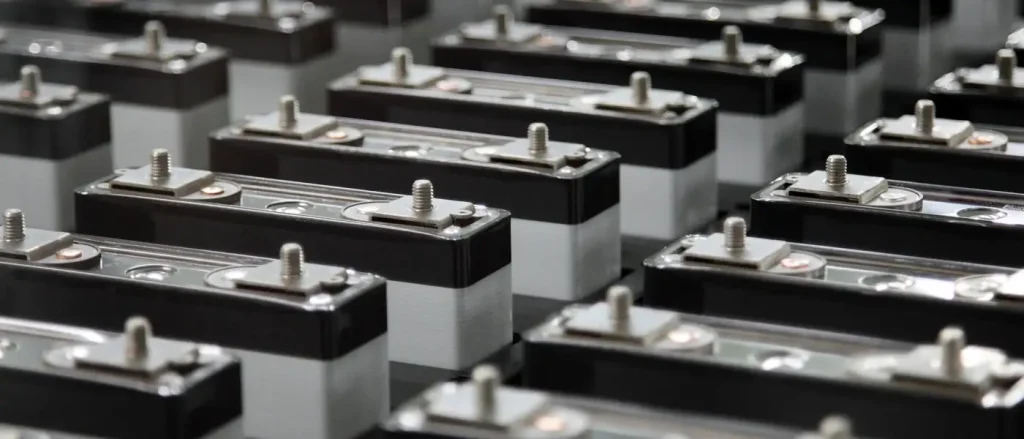
Why the battery passport matters for EV battery OEMs
The battery passport provides detailed data on each battery’s origin, materials, carbon footprint, and recycling history. This info is crucial for demonstrating compliance with EU battery sustainability rules and recycled content targets. It also helps OEMs build trust with customers and regulators by showing responsible sourcing and eco-friendly practices.
Key data points required in the battery passport
The passport must include essential data such as:
- Origin of raw materials (cobalt, lithium, nickel)
- Materials used and their quantities
- Carbon footprint of production
- Recycling and end-of-life details
- Traceability information for supply chain transparency
Capturing accurate and up-to-date data across the battery’s lifecycle is critical. It ensures compliance with EU regulations and supports ongoing sustainability efforts.
How to capture and maintain accurate, up-to-date passport data
OEMs should integrate battery passport data collection into existing manufacturing and quality systems like MES (Manufacturing Execution Systems), ERP (Enterprise Resource Planning), and quality management platforms. Automating data entry and validation reduces errors and keeps information current, making compliance easier.
Integrating battery passport with MES, ERP, and quality systems
Seamless integration allows real-time updates of passport data, ensuring transparency from raw material sourcing to recycling. This integration also supports audit readiness and simplifies reporting to regulators, helping OEMs stay ahead of compliance deadlines.
Impact of the battery passport on OEMs, suppliers, and recyclers
For OEMs, the battery passport enhances supply chain transparency and helps meet EU due diligence and responsible sourcing standards. Suppliers benefit from clear documentation of their materials, while recyclers gain access to detailed lifecycle data, improving recycling efficiency and material recovery.
Opportunities unlocked by battery passport data
Having comprehensive data opens doors for:
- Product optimization: Improving battery design based on lifecycle insights
- Enhanced transparency: Building consumer trust and brand reputation
- New business models: Supporting second-life applications and circular economy initiatives
In short, a well-implemented battery passport strategy isn’t just about compliance. It’s about turning data into a competitive advantage in the evolving EV market. For more on how to develop a robust battery passport system, check out this guide on integrating digital tools into battery manufacturing.
EU Battery Regulation 2026/1542: Supply Chain Due Diligence
For EV battery OEM compliance, I treat due diligence as a core operating process, not a box to check once a year. Under EU Battery Regulation 2026/1542, I need to prove that battery materials are sourced responsibly, traced clearly, and managed with real controls across the supply chain.
What I put in place
- A supplier code of conduct that covers labor, ethics, environment, and reporting
- A responsible sourcing policy tied to EU battery regulation 2027 requirements
- Material mapping for cobalt, lithium, nickel, graphite, and other key inputs
- Traceability rules that connect supplier claims to records, tests, and shipment data
- A review cycle for new suppliers, higher-risk regions, and changing regulations
I do not rely on price or delivery alone. I use third-party audits, certifications, and traceability platforms to test what suppliers say against what they can actually prove. When a source looks higher risk, I also compare it against long-term reliability checks for Chinese battery system suppliers to get a better read on supplier stability and risk.
How I assess risk
- I rank suppliers by raw material exposure, geography, labor risk, and traceability gaps
- I flag conflict, human rights, and environmental issues early
- I verify whether supplier documents match site-level reality
- I re-check risk when sourcing changes or a region becomes unstable
- I keep audit-ready records for regulators, customers, and internal reviews
If a supplier is non-compliant or too high risk, I do not wait for the problem to grow. I ask for a corrective action plan with clear owners, deadlines, and proof. If the issue is serious, I pause volume or move out of the supplier relationship. That approach protects EV battery traceability and transparency, and it helps avoid EU battery regulation penalties and fines later.
How I align ESG and human rights rules
I keep the due diligence program connected to broader ESG and human rights rules so I am not running separate systems for every law. That makes it easier to support responsible sourcing of battery materials, strengthen EV battery supply chain due diligence, and give U.S.-based OEMs a cleaner path into the EU battery market.
My main focus
- Strong contracts with audit rights and disclosure duties
- Clear evidence trails for every critical battery material
- Regular risk reviews, not one-time checks
- Fast remediation when a supplier falls short
- One control framework that supports compliance, sourcing, and reporting
This is the part of EU Battery Regulation 2026/1542 that can make or break a program. If I build it early, I reduce risk, improve trust, and make the whole battery supply chain easier to manage.
EU Battery Regulation 2026/1542: End-of-Life, Recycling, and Recycled Content Planning
Extended Producer Responsibility
For U.S. EV battery OEMs selling into Europe, I treat end-of-life planning as a product design issue, not a cleanup job. Under EU Battery Regulation 2026/1542, extended producer responsibility for batteries, recycling, and EV battery recycled content targets all work together, so I plan for collection, reuse, and recovery before the battery ever ships.
- I set up take-back, collection, and reporting processes early so EV battery end-of-life management is ready for EU audits and market access.
- I design packs for easy teardown and material recovery; I often start with designing sustainable EV battery packs for easy recycling and second life.
- I build reverse logistics with qualified recyclers, carriers, and regional partners so returned batteries move safely and fast.
- I track recovered cobalt, lithium, nickel, and graphite back into new production to support EV battery traceability and transparency.
- I connect recycling records to the battery passport for EV batteries so material flow data stays clean and audit-ready.
- I screen used packs for second-life use first; when a battery still has usable capacity, I look at second-life EV batteries for energy storage systems before sending it to recycling.
Circular Battery Value
This approach does more than meet EU battery sustainability rules. It also opens up real business value:
- lower raw material risk
- better recovery of critical metals
- new revenue from second-life and circular battery models
- stronger brand trust with EU buyers and U.S. customers who care about sustainability
I also keep safety and performance front and center, because meeting recycled content targets only matters if the battery still works reliably.
How LEAPENERGY Helps EV Battery OEMs Meet EU Battery Regulation 2026/1542
LEAPENERGY, a leading EV battery manufacturer, brings deep expertise in designing and manufacturing sustainable batteries that align with EU battery regulation 2026/1542. We understand the importance of complying with new rules around carbon footprint declarations, recycled content, and battery passports, and we’re here to help OEMs navigate these complex requirements.
Our advanced tools and platforms make it easier to track and report the carbon footprint of EV batteries, ensuring data accuracy and transparency. We also provide solutions for implementing battery passports—covering data collection, integration with existing systems like MES and ERP, and ensuring interoperability across the supply chain. This helps OEMs meet traceability and transparency demands, ultimately building trust with regulators and consumers.
In addition, LEAPENERGY offers expert advisory services for responsible sourcing, supply chain due diligence, and end-of-life management. We assist OEMs in developing strategies for recycled content targets, designing batteries for disassembly and recycling, and establishing reverse logistics networks. Our goal is to support you in creating a compliant, ethical, and circular supply chain that meets EU sustainability rules.
Many OEMs have already benefited from our tailored support, which includes preparing for upcoming enforcement deadlines and ensuring operational readiness. Whether it’s managing complex global supply chains or integrating new compliance processes into your existing systems, LEAPENERGY is your partner for staying ahead of the EU battery regulation 2026/1542 and maintaining a competitive edge in the sustainable EV market.
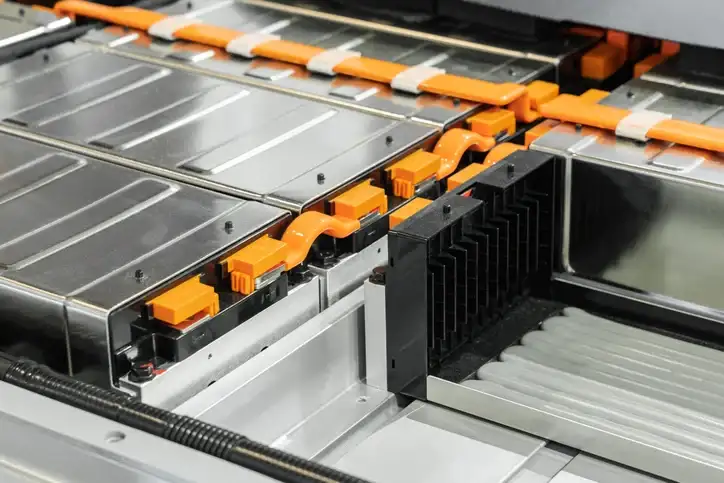
Future Outlook for EV Battery OEMs Beyond 2027
EU Battery Regulation 2026/1542 Will Keep Tightening
I do not see 2027 as the finish line. I expect EU Battery Regulation 2026/1542 to keep pushing harder on carbon footprint declaration, battery passport data requirements, EV battery recycled content targets, and EV battery end-of-life management after that date.
For EV battery OEM compliance, that means the focus will keep shifting from basic reporting to full lifecycle control. In practice, that means more pressure on:
- EV battery lifecycle emissions
- EV battery traceability and transparency
- responsible sourcing of battery materials
- extended producer responsibility for batteries
Global Markets Will Follow the EU Lead
I also expect other regions to mirror parts of the EU battery sustainability rules. The EU already sets the tone for how suppliers prove origin, emissions, recycling, and due diligence. As global policies drive electric vehicle battery adoption, I think more markets will demand the same proof points from OEMs, including non-EU OEM access to EU battery market requirements.
For U.S. companies, that matters because Europe often becomes the benchmark. If I can meet the EU standard once, I am in a much better spot for future rules in other markets too.
Innovation Will Be the Main Advantage
I see innovation as the biggest way to stay compliant without losing speed or margin. The OEMs that stay ahead will likely invest in:
- lower-carbon materials and cleaner cell chemistry
- smarter manufacturing processes
- better data collection across suppliers
- stronger recycling and closed-loop material flows
- digital systems that keep battery passport data current
That is where sustainable EV battery production and EV battery recycling and circular economy planning start to pay off. It is not just about passing audits. It is about building a battery program that can handle stricter rules later.
Early Movers Will Win
The companies that act early usually get the best results. They avoid rushed fixes, reduce compliance risk, and build stronger customer trust. They also tend to be better prepared for EU battery regulation penalties and fines, supply chain disruptions, and changing reporting rules.
For me, the clear play is simple: treat EU Battery Regulation 2026/1542 as a long-term operating model, not a one-time project. That is how I would position an EV battery OEM for growth, resilience, and leadership in sustainable mobility worldwide.
 English
  German
  Chinese
  Spanish