
Understanding EV Battery Pack Role in Post-Crash Safety
Electric vehicle (EV) battery packs are critical to both vehicle performance and safety, especially after a collision. These high-voltage battery systems store large amounts of energy and are structured to power the vehicle efficiently. However, in the event of a crash, the integrity of the battery pack can be compromised, posing safety risks.
How Collisions Impact Battery Structure and Safety
When an EV is involved in a collision, the battery pack can sustain various types of damage, including:
- Deformation of enclosures and mounting points
- Cracking or puncturing of battery cells
- Disruption of cooling systems and electrical connections
This damage can lead to dangerous situations such as thermal runaway, which can cause fires or explosions if not properly managed.
Safety Measures to Consider
To mitigate these risks, modern EV battery packs are designed with advanced structural features and materials for impact absorption. These include reinforced enclosures, impact-absorbing buffers, and crash-resistant mounting points. It’s vital to understand how well the battery pack can withstand collisions to ensure safe post-crash handling and repairs.
In essence, the role of the EV battery pack in post-crash safety is to contain energy safely, prevent internal damage, and reduce the risk of fire or electrical hazards. Proper understanding of how collisions impact battery structures helps technicians and owners make informed decisions on damage assessment and safety procedures.
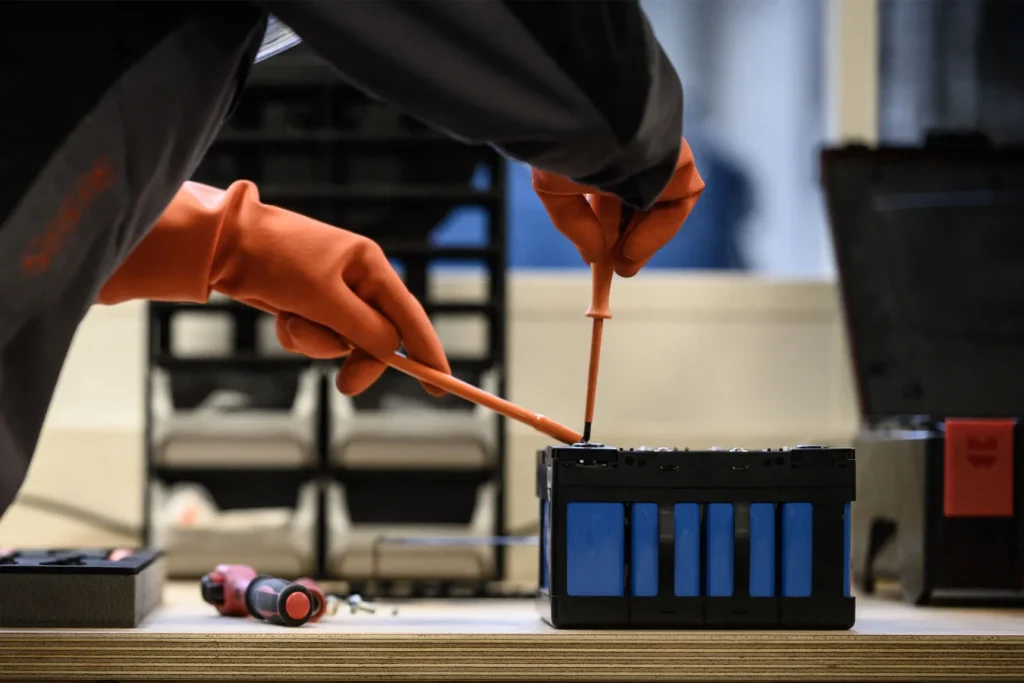
Design Principles for Post-Crash Reinforcement
To improve EV battery pack crashworthiness, manufacturers focus on advanced structural features and impact-absorbing materials. The goal is to protect the battery’s critical components during a collision and prevent dangerous failures like thermal runaway.
Key design strategies include:
| Feature | Purpose | Example Technologies |
|---|---|---|
| Reinforced Enclosures | Protect against deformation and puncture | High-strength aluminum, composite materials |
| Impact Absorption Layers | Dissipate collision energy | Energy-absorbing foams, crush zones |
| Crash-Resistant Mounts | Prevent damage to internal cells | Flexible mounting points reducing stress transfer |
| Structural Bracing | Maintain integrity during impacts | Cross-bracing and reinforced framing |
Materials play a crucial role. Using lightweight yet durable options like carbon fiber composites or reinforced plastics helps absorb impact while keeping weight low. These choices contribute to overall battery safety, especially in post-crash conditions.
Design principles such as modular architecture also allow individual sections to absorb or deflect crash forces better, reducing internal damage. Industry standards, like FMVSS 305, guide these design choices to ensure compliance and safety.
Advanced Impact Features and smarter materials are vital for creating a crash-resistant EV battery pack that minimizes damage and enhances safety during post-crash scenarios. Want to see how design plays a role? Take a look at modular versus monolithic pack designs.
Immediate Post-Crash Procedures: Owner and First Responder Actions to Ensure Safety and Minimize Damage
When an EV is involved in a collision, the first priority is always safety. Owners and first responders need to act quickly to prevent further damage and keep everyone safe, especially when dealing with the high-voltage systems and battery packs.
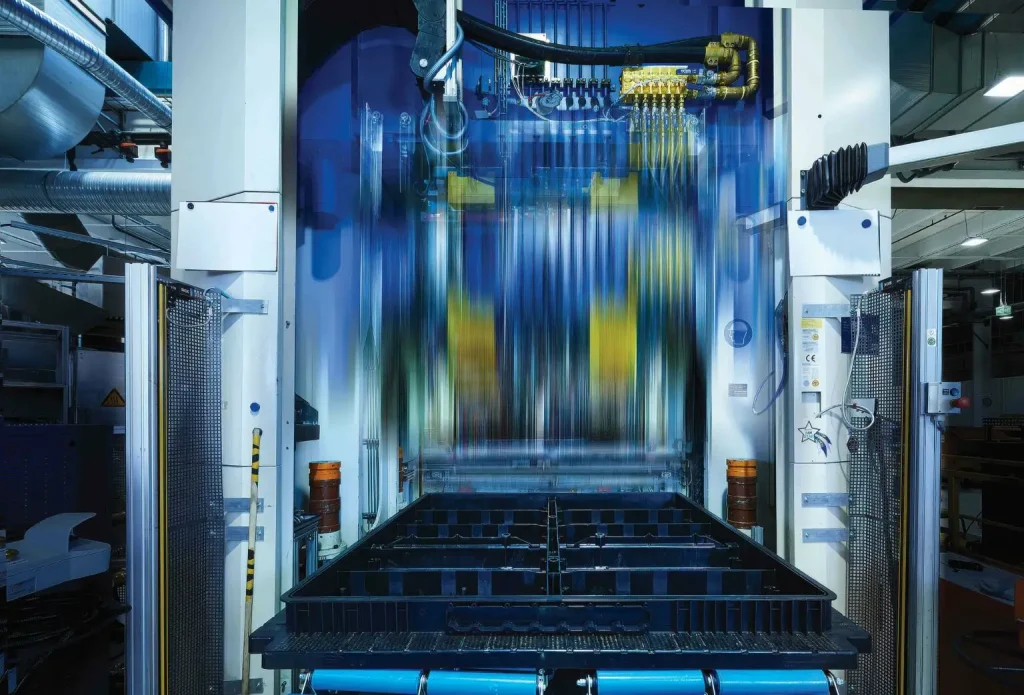
First, ensure the vehicle is safely turned off and the high-voltage system is isolated. Many EVs have built-in safety features that cut power automatically after a crash, but it’s essential to verify this before approaching the vehicle. If you’re trained, you can disconnect the 12V battery to reduce the risk of thermal runaway or electrical shock.
Next, don’t attempt to move or handle the battery pack unless you are certified. Damaged battery enclosures can leak hazardous materials or pose a fire risk, especially if the thermal management system has been compromised. For safety, check for visible signs of battery deformation or coolant leaks, which can hint at internal damage.
It’s vital to keep the battery away from flammable materials and avoid personal contact with exposed wiring. Emergency responders often use specialized tools for high-voltage system disconnection, but owners should wait for professional help when possible.
Finally, document the damage thoroughly. Take photos and notes for insurance and repair purposes. If safe, store the damaged EV in a well-ventilated, dry area—a process known as post-crash battery quarantine—to prevent potential thermal runaway or fire hazards.
For more info on safe handling, see EV battery safety protocols. Owners and first responders must remember that safety always comes first. Proper immediate procedures help minimize damage and set the stage for proper damage assessment and repair.
Damage Assessment Techniques for Post-Crash Safety of EV Battery Packs
When it comes to evaluating damage after a collision, a thorough assessment is critical to ensure safety and determine the best repair approach. Visual inspection is the first step—look for signs like deformation of the battery enclosure, broken mounting points, or cooling system leaks. However, not all damage is visible. That’s where advanced diagnostic tools come into play. These tools help detect hidden internal damage, such as cell integrity issues or thermal runaway risks, which might not be obvious at first glance.
One key technique is using thermal imaging cameras to spot abnormal heat patterns that suggest internal damage or short circuits. Additionally, specialized battery state of health diagnostics—often connected via cloud systems—provide detailed insights into each cell’s condition. These diagnostics reveal how much energy the battery can safely store and if it’s compromised after an impact.
By combining visual inspection with these high-tech methods, technicians can accurately assess post-collision high-voltage battery safety. This helps prevent future failures and ensures the battery remains safe for reuse or proper disposal. For more insights on diagnostic tools, see our comprehensive EV battery pack diagnostic guide.
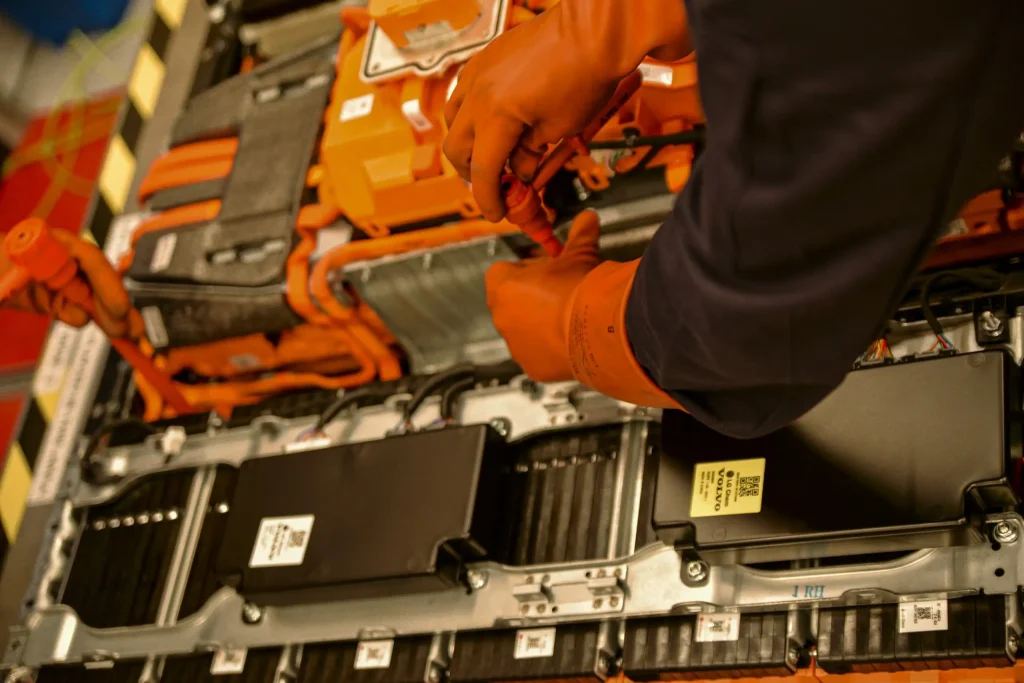
Safety Standards and Regulations for EV Battery Pack Crashworthiness
When it comes to post-crash safety reinforcement and repair for EV battery packs, adhering to established safety standards is key. Key compliance frameworks like FMVSS 305 and UN R100 set the baseline for manufacturer responsibilities and vehicle safety during and after a collision. These standards focus on ensuring that high-voltage systems are properly isolated, the battery enclosure can withstand impacts, and safety measures prevent thermal runaway or fire risks.
For instance, FMVSS 305 outlines crashworthiness requirements specific to electric vehicle battery systems, emphasizing the importance of secure mounting points and impact-resistant enclosures. Meanwhile, UN R100 provides international guidelines that regulate the safety features of lithium-ion batteries, including crash protection and thermal management.
Industry best practices also recommend regular testing, detailed inspection procedures, and certified repair methods to ensure compliance. Following these standards not only helps protect vehicle occupants and first responders but also safeguards the battery’s integrity after an accident. To stay updated on evolving regulations and compliance requirements, manufacturers and repair shops should frequently consult resources like global EV battery regulations and compliance updates.
Maintaining compliance with these key safety frameworks supports safe, effective post-collision repair and reinforces the overall crashworthiness of EV battery packs.
Repair and Reinforcement Strategies: When to Repair and When to Replace EV Battery Packs Post-Collision
After a crash, deciding whether to repair or replace an EV battery pack depends on the extent of damage and safety risks involved. Minor dents or superficial damage to the battery enclosure or mounting points may be repairable, especially if internal cells and cooling systems remain intact. In these cases, advanced battery pack crash protection design and reinforcement can restore structural integrity while preventing issues like thermal runaway.
However, if post-collision high-voltage battery assessment reveals internal deformation, compromised cooling system integrity, or signs of internal short circuits, replacement is usually the safer option. Damage hidden beneath the surface can lead to stranded energy management challenges that pose serious risks if not fully addressed. Certified EV collision repair procedures emphasize detailed diagnostics and strict adherence to safety protocols before any repair work.
Key points to consider when determining repair versus replacement:
- Visual inspection combined with battery state of health diagnostics collision tools
- Integrity of high-voltage system isolation post-crash
- Condition of battery mounting points and enclosure reinforcement
- Risk of thermal runaway prevention failure
- Compliance with REESS safety standards like FMVSS 305 and UN R100
For more on how standardized repair techniques can unlock cost savings and extend your battery pack’s life after impact, check out our guide on standardized repair unlocking EV battery pack cost savings and longevity. Also, understanding the differences between modular vs. integrated EV battery pack designs can help in evaluating repair options and reinforcement strategies.
In short, professional damage assessment and adherence to industry best practices are critical in making the right call—ensuring your EV battery pack’s post-crash safety and longevity.
High-Voltage System Handling and Safety for Post-Crash EV Battery Packs
Handling high-voltage systems safely after a collision is crucial to prevent further damage or injury. When dealing with EV battery packs post-crash, following strict protocols for system isolation, disconnection, and safe testing is essential.
First, the high-voltage system must be completely isolated. This involves disconnecting the battery from the vehicle’s electrical system to prevent any live energy from remaining. Many vehicles now use dedicated battery disconnect units (BDUs) that can be manually or electronically activated to safely cut off high-voltage flow. You can learn more about how these units enhance EV safety here.
Once disconnected, the next step is verifying that the high-voltage system is indeed de-energized. Using appropriate diagnostic tools designed for post-collision high-voltage battery assessment ensures you’re not risking electrical shock. Always wear proper PPE and follow manufacturer guidelines when testing or inspecting the system.
It’s also important to check for potential thermal runaway or residual energy, especially if the vehicle has been in a severe crash. Ensuring cooling system integrity and inspecting for damage to components helps prevent fire hazards later on.
In my experience, thorough system disconnection and proper testing protocols are the backbone of safe EV crash repairs. Adhering to these safety standards not only protects everyone involved but also upholds compliance with safety regulations like FMVSS 305. Proper handling of the high-voltage system can make a big difference in effectively repairing or safely recycling the battery pack after a collision.
Long-Term Safety and Sustainability of EV Battery Packs After a Crash
Once an EV battery pack has been involved in a collision, the focus shifts from immediate safety to long-term safety and sustainability. Proper monitoring and maintenance are crucial to ensure that the pack remains safe to use and can even be reused or extended after impact.
One key step is battery health monitoring — using advanced diagnostics to check for hidden internal damage that might not be visible during visual inspection. This helps determine if the pack is still safe for continued use or if repairs are needed. Regular diagnostics are vital for owners and technicians to catch issues early, especially related to thermal runaway risks or compromised cooling systems.
For those interested, more about how to create durable and sustainable EV battery packs can be found at designing durable automotive-grade battery packs for long-term reliability. This ensures that post-crash, EV batteries can continue to provide safe, reliable power without sacrificing the environment or safety standards.
Manufacturer’s Role in Crash Safety
To tackle real-world challenges, LEAPENERGY offers battery pack solutions for commercial EV applications, ensuring both durability and sustainability. Their innovations align well with industry safety standards like FMVSS 305 and UN R100, emphasizing certified EV collision repair procedures and stranded energy management.
For those interested in detailed technical insights, LEAPENERGY’s role extends to seamless battery pack integration that cuts manufacturing cost without compromising crash resistance. Learn more about their cutting-edge battery pack solutions for commercial EVs and how their advanced battery pack integration contributes to safer, more reliable EV battery systems.
Preventative Measures for Future Incidents: Owner Tips, Regular Diagnostics, and Maintenance for Crash Readiness
Keeping your EV battery pack crashworthy starts with regular care and smart habits. Here are key tips to help you stay crash-ready and protect your battery’s safety:
- Routine Visual Inspections: Check battery mounting points and enclosure for signs of wear or deformation. Early detection of structural problems can prevent serious damage during a collision.
- Scheduled Diagnostic Checks: Use advanced battery state of health diagnostics collision tools to catch hidden issues early. Periodic scans help identify internal cell damage or cooling system integrity problems before they escalate.
- Keep High-Voltage Systems Secure: Always ensure proper high-voltage system isolation and disconnection during maintenance. This minimizes risks during accidental impacts.
- Adhere to Certified EV Collision Repair Procedures: Choose repair centers specializing in electric vehicle structural battery repair. Certified procedures follow safety standards like FMVSS 305 and UN R100 to guarantee post-collision safety.
- Manage Stranded Energy Carefully: Some energy can remain stored even after the battery is shut down. Proper stranded energy management in electric vehicles can prevent thermal runaway after accidents.
- Regular Software Updates: Keep your EV’s battery management system up to date to support optimal thermal management and crash response readiness.
By following these steps, owners can significantly reduce risks and extend the lifespan of their EV battery packs. For a deeper look at predictive battery health, explore advanced solutions like those discussed in the AI-driven electric vehicle battery health prediction insights, which help monitor and prepare your EV for future incidents.
Consistent maintenance and smart diagnostics don’t just improve safety—they maximize your EV’s value and performance long after impact.
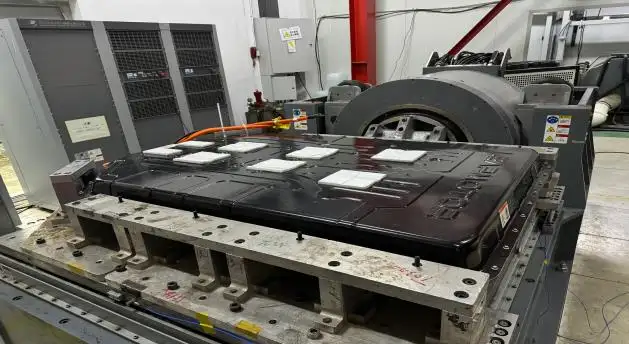
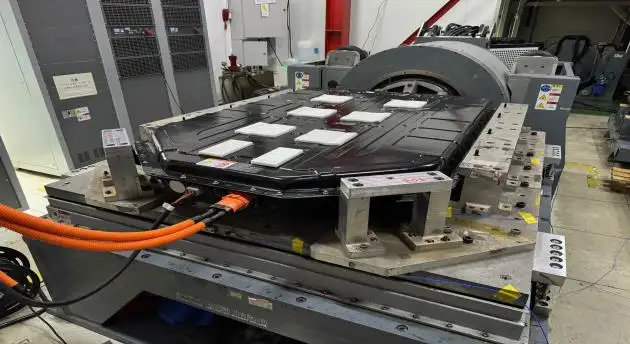
Future Industry Trends in Post-Crash Safety Reinforcement & Repair for EV Battery Packs
Looking ahead, the EV industry is setting sights on major innovations to improve crashworthiness and safety. One big trend is advanced battery pack crash protection design, where manufacturers are investing in more impact-resistant enclosures and structural features that better absorb crash energy. These improvements aim to reduce internal damage and thermal runaway risk, making post-collision high-voltage battery assessment safer and easier.
Standardization is also growing as a key focus. Industry groups are working on creating unified post-collision high-voltage battery assessment protocols and repair procedures. This will help ensure consistent, certified EV collision repair processes across the US, improving safety and reducing repair times. For example, clear standards around thermal runaway prevention after accidents will guide technicians on implementing effective safety measures.
Sustainable processing is gaining momentum, too. As EV batteries reach end-of-life, healthier packs can be reused or repurposed. There’s a push to develop environmentally friendly practices for battery reuse after crash, aligning with both safety and sustainability goals. This includes innovations in sustainable EV battery reuse techniques and efficient recycling methods that recover valuable materials, reducing waste and environmental impact.
Overall, these industry trends aim to make EV batteries safer after crashes, easier to repair or replace, and more sustainable for the long run. As the landscape evolves, vehicle owners will benefit from safer, more reliable EVs with built-in crash resilience and greener recovery options.
 English
  German
  Chinese
  Spanish