
Why Some EV Battery Projects Fail (And How to Avoid It)
Thinking about launching an EV battery project? Worried it might fail? You’re not alone. Many companies face setbacks that can cost millions, delay timelines, or even compromise safety. But why do some EV battery projects fail, and more importantly, how can you steer clear of those pitfalls?
Why EV Battery Projects Fail
Failures often stem from overlooked technical challenges, supply chain issues, or poor planning. Without careful management, what seems like a promising project can quickly turn into costly disappointment. These failures impact not only budgets and schedules but also safety and brand trust — all vital factors in the competitive US EV market.
The Real Cost of a Failed EV Battery Project
Failing to predict or prevent issues in EV battery projects isn’t just about wasted money. It leads to:
- Extended timelines, pushing back product launches
- Increased costs, from rework and material waste
- Safety risks, such as thermal runaway or fire hazards
- Loss of trust from customers and partners
In the end, a failed project damages your company’s reputation and future business prospects. That’s why understanding common fail points and how to avoid them is crucial.
What You’ll Learn from This Guide
In this article, I’ll share practical insights on why EV battery projects often fail at every level—from cell manufacturing to system integration—and how to prevent these issues. You’ll discover:
- The main reasons behind failures
- Key technical and operational failure points
- How to build a resilient, high-quality EV battery project
- Strategies to future-proof your investments with cutting-edge trends like solid-state batteries and AI tools
Stay tuned—I’ll walk you through proven methods to keep your EV battery project on track, ensuring high performance, durability, and safety for the US market.
Why EV Battery Projects Fail So Often
One of the main reasons EV battery projects stumble is because of the gap between rapidly growing demand and the challenges of scaling production. While automakers and suppliers are eager to meet the surge in electric vehicle demand, they often run into technical, manufacturing, and logistical hurdles. This mismatch can lead to delays, cost overruns, and compromised quality.
Failures can happen at multiple levels: the cell itself, the entire battery pack, the integrated system, or even the overall project. When issues slip through these layers—such as cell quality problems, thermal management failures, or supply chain disruptions—they impact the project’s timeline, inflate budgets, and hurt safety and brand trust.
In particular, cell quality issues and manufacturing defects—like electrode coating problems or contamination—are common failure points. From there, failures grow into thermal runaway risks, lithium plating, or early capacity loss if not properly managed. On the system level, unreliable battery management systems (BMS) and weak mechanical sealing can cause safety concerns and degradation over time.
Operational challenges, like supply chain risks and raw material shortages, further complicate scaling. For example, dependency on volatile sources such as cobalt and nickel or single suppliers can cause delays. Pilot projects often stumble when transitioning from small batches to full-scale production, leading to low yields and quality drops.
All these problems mean projects can overshoot budgets, miss deadlines, or produce unreliable batteries. The key to avoiding failure is proactive planning—building robust quality controls, diversifying supply sources, and focusing on lifecycle management from the start. Addressing these issues early can turn scaling problems into efficient, high-quality EV battery solutions that perform reliably over the long run.
Technical and Manufacturing Failure Points
When it comes to EV battery projects, technical and manufacturing flaws can quickly turn into costly failures. These issues often stem from the complex process of making high-quality lithium-ion batteries that meet the demands of durability and safety.
Cell Quality and Material Defects
Poor-quality cells or material defects are common failure sources. These can cause early degradation, which reduces battery lifespan and performance. Insufficient quality control during manufacturing can lead to internal flaws that aren’t visible until the battery is in use. To minimize this risk, partnering with reliable suppliers experienced in EV battery manufacturing is essential.
Electrode Coating, Slitting, and Contamination
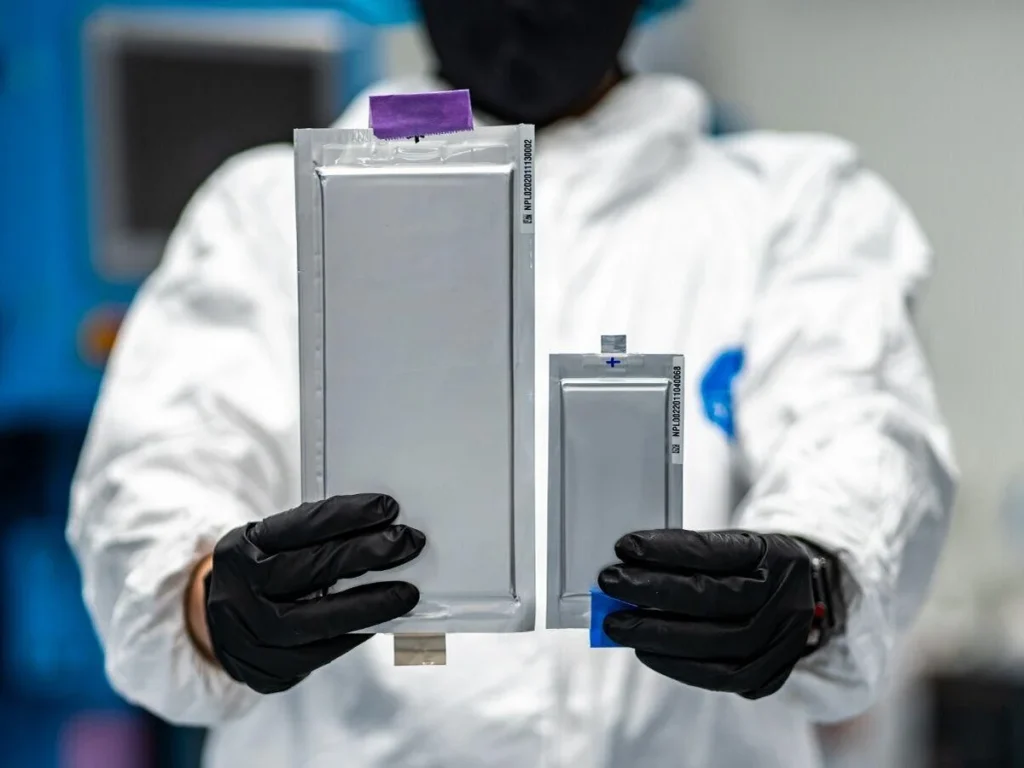
Poor electrode coating and slitting processes can cause uneven material distribution. Contamination during production can lead to hot spots, reducing efficiency and increasing the risk of thermal runaway. Maintaining strict cleanliness and process controls helps ensure consistent cell quality.
Lithium Plating and Early Battery Degradation
Lithium plating occurs when lithium deposits form on the anode during fast charging or low temperatures. This can cause permanent capacity loss and early battery degradation. Proper thermal management and controlled charging protocols are vital for preventing this issue.
Thermal Management Failures and Overheating
Overheating is a major concern in EV batteries. Failures in thermal management systems can lead to hotspots, thermal runaway, or fires. For safe operation, integrating reliable thermal control systems—like liquid cooling—is crucial. For more on this, see EV battery thermal management.
Battery Management System (BMS) Reliability
The BMS monitors and controls cell voltage, temperature, and state of charge. Software glitches or sensor failures can cause imbalance or overcharge, risking safety and decreasing lifespan. Regular software updates and robust hardware design help improve BMS reliability.
Cell Balancing, Sensors, and Software Glitches
Imprecise cell balancing and faulty sensors can lead to uneven aging across cells, speeding up degradation. Ensuring accurate sensor calibration and comprehensive testing catch these issues early.
Mechanical Weakness, Sealing, and Moisture Ingress
Mechanical design flaws—like weak seals or inadequate waterproofing—allow moisture or debris to enter the pack. This causes corrosion and short circuits. High-quality sealing and robust enclosure design are must-haves for long-term durability.
Performance Loss Over Time and Lifespan Limits
All EV batteries naturally lose capacity over time. Poor manufacturing quality, combined with operational stresses, accelerates this process. Building batteries with high-quality, long-lifespan lithium-ion cells can extend operational life and reduce total cost of ownership.
Focusing on these failure points during development and production helps prevent costly setbacks, safety hazards, and reputation damage. Regular testing and strict quality control are key to delivering stable, reliable EV batteries.
Operational and Scaling Problems
One of the biggest challenges in EV battery projects is scaling from the pilot phase to full production. Many companies face low yield, low throughput, and quality drops as they try to ramp up manufacturing. This can lead to delays, increased costs, and even compromised battery safety. It’s essential to address these scaling and operational risks early to avoid failures that could set your project back.
Supply chain issues are another major factor—raw material shortages and volatility in lithium, cobalt, and nickel prices can disrupt production timelines and inflate costs. Relying on a single-source for critical materials is a risky move, especially given the geopolitical exposure that many suppliers face. For example, disruptions in cobalt supply from certain regions can quickly halt your production or force you to find alternative, potentially less sustainable, sources.
Testing gaps also play a role in operational failures. If real-world cycling, stress tests, and edge case scenarios aren’t thoroughly validated, your batteries might perform well in the lab but fail prematurely in the field. Proper validation is key to ensuring stable battery system performance and long-term durability, especially when scaling up for the mass market. For insights on how to scale EV battery manufacturing effectively, check out how scaling from prototype to mass production is managed.
By proactively identifying these operational and scaling issues, you can better position your project for reliable, high-volume production that meets safety and quality standards.
Financial, Regulatory, and Strategic Mistakes
One of the biggest reasons EV battery projects fail is often tied to financial missteps and poor planning. Cost overruns are common, especially when initial budgets don’t account for the true expenses involved in battery manufacturing, such as complex compliance or unexpected technical challenges. Miscalculations in capital expenditure (CAPEX), along with hidden costs related to regulatory compliance, can quickly derail a project’s profitability.
Demand forecasting mistakes can lead to overproduction or underproduction, both of which are risky and costly. If you overestimate demand, you might invest too much, and if you underestimate, you risk supply shortages that damage your reputation.
Safety compliance and fire protection gaps are another critical mistake. Regulations around chemical handling, recycling, and emissions are strict in the U.S., and skipping or misunderstanding these rules can result in hefty fines or shutdowns. For example, improper chemical management can lead to safety hazards or environmental violations, which can be devastating for a company’s reputation.
Poor governance and weak project planning also hold back many EV battery initiatives. Without strong oversight, projects can miss key milestones, leading to delays and wasted resources. Plus, neglecting sustainability and end-of-life strategies creates blind spots that may cause costly issues down the road, especially as sustainability becomes a bigger focus in the U.S. market.
To avoid these pitfalls, it’s essential to conduct thorough financial analysis, involve regulatory experts early, and develop robust project governance. Leveraging tools like detailed cost projections and compliance checklists can help keep these projects on track and prevent costly mistakes.
How to Avoid EV Battery Project Failure
To improve your chances of success, start by working with experienced battery manufacturers early in the project. They bring valuable insights into EV battery manufacturing challenges and can help you avoid common failure modes like cell quality issues or thermal runaway risks.
Using robust design principles is also key. Focus on creating a durable and high-quality battery pack with a stable system performance that can withstand real-world cycling and stress tests. Prioritize thermal management, durability, and easy integration to prevent overheating and mechanical weaknesses that typically lead to early degradation.
Building strong quality control and testing systems helps catch quality issues before they become costly failures. Regular testing during development reduces the risk of lithium plating, contamination, or software glitches that impact BMS reliability.
Strengthening the supply chain is crucial too. Diversify sourcing to reduce lithium-ion battery failure modes associated with raw material shortages or geopolitical risks. Building long-term relationships with reliable suppliers ensures a steady supply of high-quality EV battery components.
Finally, take a comprehensive lifecycle approach. Plan for ongoing monitoring, maintenance, and eventual second-life reuse or recycling of your batteries. This not only extends the lifespan of your EV batteries but also aligns with sustainable and regulatory goals, reducing risks related to environmental impact and compliance.
For actionable insights on designing durable, automotive-grade battery packs, check out this guide on designing durable automotive-grade battery packs for long-term reliability.
How to Future-Proof an EV Battery Project
Staying ahead in the EV battery market means planning for the long haul. Trends like solid-state batteries and advanced chemistries are already shaping the future, offering higher energy efficiency, longer lifespan, and improved safety. Incorporating these innovations early can help you avoid costly upgrades down the line.
AI-driven monitoring and predictive maintenance are game-changers in ensuring stable operation over time. These tools help spot potential battery failures before they happen, reducing unexpected downtime and extending battery life. For companies in the US, integrating AI technologies into battery systems is increasingly becoming a best practice for reliable EV performance.
Before launching your project, it’s crucial to ask the right questions. What’s the expected operational lifespan? How scalable are the manufacturing processes? What’s the supply chain resilience? Addressing these points upfront helps identify potential failure points at the cell, pack, or system level, giving you a clearer path to success.
Choosing a reliable EV battery partner is one of the most important steps. Look for manufacturers with a proven track record in high-quality EV battery integration, robust quality control processes, and experience with durable, long-lifespan lithium-ion cells. A partner with deep expertise can help you navigate manufacturing challenges and ensure your project aligns with sustainability and safety standards. For more insights, check out this guide on how to select a dependable EV battery manufacturer.
 English
  German
  Chinese
  Spanish