
Understanding EV Battery Cycle Life
EV battery cycle life is a key factor that determines how long your electric vehicle’s battery remains useful and efficient. Simply put, cycle life measures the number of full charge-discharge cycles a battery can undergo before its capacity falls below a certain threshold, usually around 80% of the original capacity. This metric helps predict how long the battery will last under regular usage.
There are two main types of aging that affect cycle life:
- Calendar aging: Capacity loss that happens over time, regardless of use, due to chemical changes inside the battery.
- Cyclic aging: Degradation caused by actual charging and discharging cycles.
Understanding these differences is crucial for EV owners, manufacturers, and fleet managers because cycle life directly impacts warranty coverage, total cost of ownership, and resale values. The better the battery handles high-power fast charging and daily use without significant degradation, the more economical and reliable the EV becomes. That’s why paying attention to cycle life fundamentals is essential for making smart decisions about EV charging habits and battery maintenance.
The Science of High-Power Fast Charging on Battery Packs
High-power fast charging relies heavily on charging dynamics like C-rates, voltage, and current. C-rate refers to how quickly a battery is charged relative to its capacity; the higher the C-rate, the faster the charge. While this speeds up charging time, it also stresses the battery more than slower charging.
The main degradation mechanisms during fast charging include heat generation, lithium plating, growth of the solid electrolyte interphase (SEI), cathode dissolution, and mechanical stress inside the battery cells. Excess heat can accelerate chemical breakdown, while lithium plating happens when lithium deposits on the anode surface instead of properly intercalating, reducing battery capacity and increasing safety risks. SEI growth thickens the interface layer, raising internal resistance. Cathode dissolution and mechanical stress lead to loss of active material and cracks, which further degrade cycle life.

It’s important to note that lab tests often use idealized conditions, but real-world fast charging exposes battery packs to more variable temperatures, charging habits, and driving cycles. These real-world factors can amplify or, in some cases, mitigate the degradation compared to controlled lab environments.
Understanding these dynamics is critical for optimizing battery use and managing fast charging effects on lithium-ion battery aging and cycle life. For an in-depth look at how pack design influences charging speed and durability, check out how battery pack design shapes EV range and charging speed.
Real-World Data vs. Laboratory Findings
When it comes to understanding how high-power fast charging impacts EV battery pack cycle life, real-world data often tells a different story than lab tests. Fleet analysis from Geotab shows that degradation rates vary widely depending on usage patterns, but most EV batteries still retain a healthy State of Health (SoH) even after thousands of fast charging cycles. Tesla’s recurrent data reveals that while DC fast charging at high C-rates accelerates some battery aging mechanisms, good thermal management and smart charging strategies help keep degradation manageable.
Testing at the Idaho National Laboratory backs this up, highlighting that real-world driving conditions—temperature swings, varied charge depths, and charging frequency—drive outcomes that lab conditions cannot fully replicate. Notably, battery chemistry matters: LFP batteries generally tolerate fast charging better, showing less pronounced lithium plating and SEI growth than NMC or NCA chemistries. This chemistry-specific fast charging sensitivity explains why some EVs sustain quicker cycle life drops under identical charging stress.
Additional variables shape these results, including pack design, state of charge windows, and ambient temperature, making it critical for owners and fleet managers alike to consider their specific conditions. For deeper insights on EV battery adoption and how innovations support real-world performance, exploring how global policies drive electric vehicle battery adoption can provide useful context.
Factors That Amplify or Mitigate Degradation
When it comes to EV battery degradation fast charging, several key factors play a big role in either speeding up wear or helping preserve cycle life.
Charging Frequency and Depth
Frequent high-power DC fast charging can stress the battery more, especially if done from low State of Charge (SoC) to full. Deep discharges and full charges strain cells and boost lithium plating risks during fast charging. Sticking to shallower charging cycles generally helps extend battery lifespan.
Extreme Temperature Effects
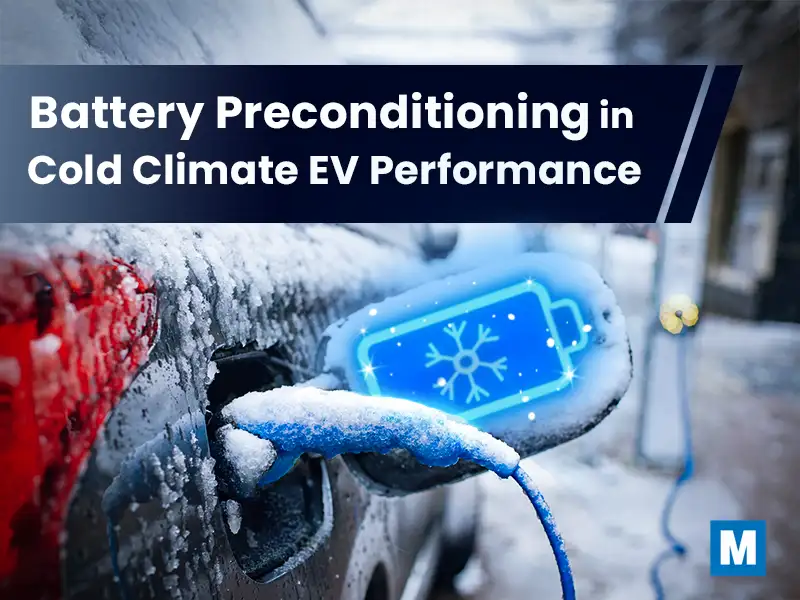
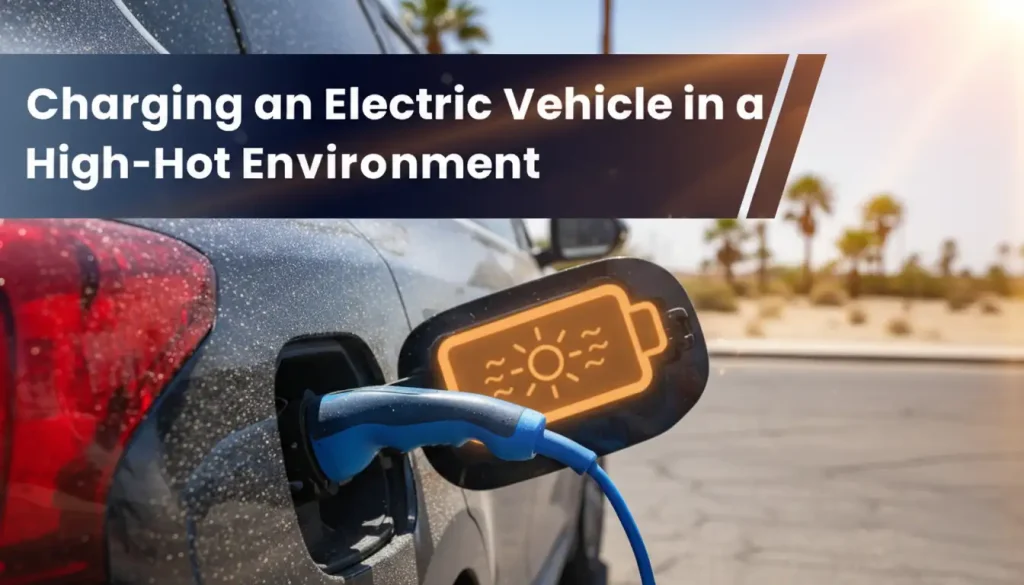
Battery chemistry is sensitive to heat and cold. High temperatures accelerate damage like SEI growth and cathode dissolution. In freezing conditions, lithium plating is more likely during high C-rate charging. Effective EV thermal management battery health strategies are crucial here—cooling systems or preconditioning can reduce degradation under varied climates.
State of Charge Windows and Habits
Keeping the battery within mid-range SoC (about 20%-80%) limits mechanical stress and aging. Avoiding frequent 0% or 100% states helps reduce capacity fade, especially with fast charging involved.
Battery Chemistry and Design Role
LFP batteries generally handle fast charging better than NMC or NCA chemistries, showing less performance drop under high C-rate charging. But pack design also matters: modular vs monolithic layouts and waterproof features impact long-term durability. For more on pack design considerations, see our detailed guide on modular vs monolithic pack designs.
Thermal Management and Pack Capabilities
Sophisticated thermal management systems help keep temperature in check during and after fast charging, reducing lithium plating and thermal runaway risks. Packs designed with effective heat dissipation and insulation deliver better cycle life even with frequent DC fast charging.
Balancing these factors by optimizing charging habits and choosing the right pack chemistry/design can significantly mitigate fast charging’s impact on EV battery pack cycle life.
Best Practices for Preserving Cycle Life with Fast Charging
To protect your EV battery’s cycle life, especially when using high-power fast charging, smart charging habits are key. Here’s what I recommend:
- Prefer Level 2 AC charging for daily use. This slower charging method reduces stress on the battery compared to frequent DC fast charging, helping limit EV battery degradation fast charging impact over time.
- Precondition your battery before charging. Some EVs let you heat or cool the battery to the optimal temperature for charging, which lessens heat-related wear during high C-rate charging sessions.
- Avoid frequent full charges or deep discharges. Keeping your State of Charge (SoC) within a moderate range — say 20% to 80% — can slow lithium plating and SEI growth, major factors in battery aging.
- Monitor battery health actively. Tools and apps that track your battery’s State of Health (SoH) and charging patterns help catch early signs of accelerated degradation from DC fast charging cycle life impact.
- For fleets and heavy users, adopt strategic charging schedules. Spreading out fast charging sessions and combining them with thermal management best practices can extend pack longevity and optimize total cost of ownership.
Following these tips balances the convenience of high-power fast charging with preserving your battery’s lifespan. For a deeper dive on factors that kill your EV battery faster and how to avoid them, check out this detailed guide on top causes of battery wear and degradation.
How Advanced Battery Technology Reduces Fast-Charging Risks
Advancements in battery chemistry and pack design are key to reducing the impact of high-power fast charging on EV battery degradation. For example, LEAPENERGY has developed quick-charging LFP battery packs that support C-rates from 1.8C up to 4C, offering much faster charging without sacrificing cycle life. These LFP chemistries are known for better fast charge tolerance compared to traditional NMC or NCA batteries, helping manage lithium plating and other high C-rate charging issues.
Beyond chemistry, smart battery management systems (BMS) powered by AI are transforming how packs handle fast charging. These AI-enhanced BMS systems actively control charging parameters, predict faults, and optimize thermal management to keep battery temperature and State of Health (SoH) stable during rapid charging sessions. This not only extends battery longevity but also boosts reliability for both individual owners and large commercial fleets.
For those interested in tailored solutions, LEAPENERGY offers custom EV battery packs with advanced BMS and safety features, designed specifically to withstand the stresses of DC fast charging while maximizing cycle life.
Ultimately, these innovations help balance the need for quick top-ups with maintaining the battery’s health, lowering long-term costs and improving owner satisfaction. This is especially valuable in today’s US market, where fast charging convenience can often come at the cost of accelerated battery aging without the right technology in place.
Long-Term Implications: Warranty, Costs, and EV Ownership
High-power fast charging holds great convenience, but it also affects the long-term cost of owning an EV. Frequent use of DC fast charging can accelerate EV battery degradation, cutting cycle life and potentially lowering resale value. This makes understanding how fast charging impacts the battery State of Health (SoH) critical for owners who want to optimize total cost of ownership.
Most EV warranties cover battery capacity loss up to a certain percentage—often around 70-80% capacity retention over 8 years or 100,000 miles. However, some warranties include specific clauses limiting coverage for damage caused by excessive DC fast charging. This means aggressive fast charging habits may lead to out-of-pocket battery replacement costs sooner than expected.
For commercial fleets, managing battery degradation from high C-rate charging is even more pressing. Knowing when to retire or repurpose packs hinges on accurate cycle life monitoring and may involve second-life applications like stationary energy storage, prolonging battery value and supporting sustainability goals. Leveraging smart battery pack integration can also help fleets balance fast charging needs while minimizing health impact—factors explored in battery pack integration boosting EV range and cost.
In :
- Fast charging influences warranty terms and possible repair costs.
- Battery cycle life directly impacts resale value and total ownership cost.
- Fleets benefit from strategic replacement timelines and second-life reuse.
- Advanced integration techniques can help offset fast charging degradation risks.
Being aware of these factors helps U.S. EV owners and fleet managers make informed charging choices, ensuring longer-lasting batteries and better financial outcomes in the long run.
 English
  German
  Chinese
  Spanish