
Understanding Ingress Protection (IP) Ratings for EV Battery Packs
Ingress Protection (IP) ratings, defined by the IEC 60529 standard, are essential for evaluating how well an EV battery pack resists dust and water intrusion. These codes use two digits: the first indicates protection against solid particles like dust, while the second shows water resistance levels—from minor splashes to full submersion.
For EV battery packs, IP67, IP68, and IP69K are the most common ratings:
- IP67: Dust-tight and can withstand immersion in water up to 1 meter for 30 minutes.
- IP68: Dust-tight with a higher submersion threshold, often beyond 1 meter and longer durations.
- IP69K: High-pressure, high-temperature water jets, typically used in rigorous cleaning or harsh environments.
Automotive relevance is clear—standard road conditions generally call for at least IP67 to prevent damage from rain, puddles, or road spray. However, for applications in marine settings, off-road vehicles, or flood-prone regions, higher IP ratings like IP68 or IP69K become critical to ensure battery reliability.
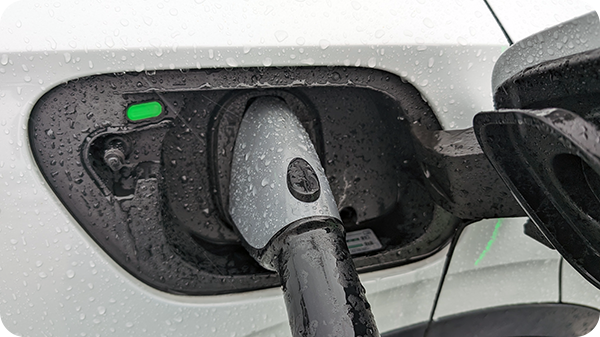
While IP ratings provide a solid baseline, they have limitations. Real-world exposure to saltwater — highly corrosive — and dynamic pressures during driving or flooding can surpass what standard tests simulate. This means engineers must consider additional protective measures beyond the IP code to safeguard EV batteries in such extreme environments.
By understanding these ratings and their limits, engineers can better design EV battery pack waterproofing solutions that match real-use demands.
Critical Challenges in EV Battery Pack Waterproofing
Waterproofing an EV battery pack isn’t just about blocking water—it has to stand up to a variety of harsh conditions and technical risks. Here’s a quick look at what these challenges involve:
Environmental Threats
EV batteries face constant exposure to:
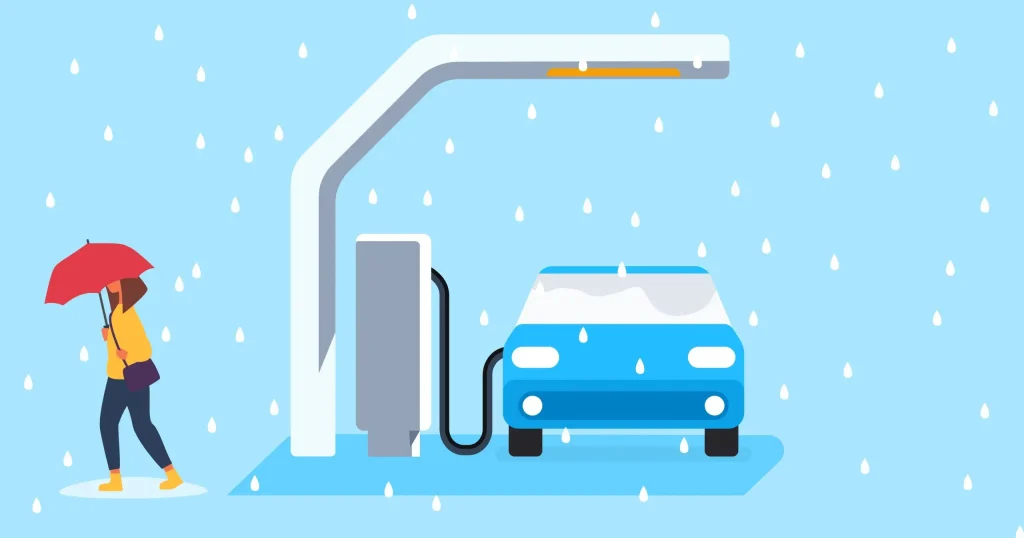
- Road spray & rain: Water mixed with dirt and salt can corrode metals and degrade seals.
- Snow & ice: Freeze-thaw cycles cause expansion and contraction, stressing enclosure materials.
- Flooding: Extreme submersion can overwhelm waterproofing, leading to failure.
- Salt exposure: Saltwater accelerates corrosion, especially around connectors and seams.
- Dust & debris: Particles can wear down seals and clog pressure equalization valves.
- Temperature cycling: Changing temperatures impact seal integrity and materials flexibility.
Balancing Multiple Factors
Effective waterproof design must juggle:
- Thermal management: Waterproof seals shouldn’t block heat dissipation; see this overview of EV battery thermal management systems.
- Serviceability: Seals need to allow maintenance without sacrificing protection.
- Lightweighting: Added waterproofing materials can increase weight, impacting vehicle efficiency.
- Crash safety: Enclosures must stay intact under impact while remaining waterproof.
Real-World Flood & Submersion Insights
Flood damage to EVs often shows waterproofing limits under intense, prolonged exposure. Most packs rated IP68 can withstand submersion up to certain depths and durations, but beyond that, water ingress leads to failures. Manufacturers design with these extreme cases in mind, but real-world abuses sometimes exceed tested limits, highlighting the need for ongoing innovation in flood protection.
Addressing these challenges is crucial to ensure reliable, safe, and long-lasting EV battery packs that can handle U.S. road conditions—from coastal salt spray to midwestern flash floods.
Core Design Principles for Waterproof Battery Enclosures
A solid waterproof design for EV battery packs starts with smart enclosure architecture. Most effective designs use a tray-and-lid structure to reduce potential leak paths. Precision mating surfaces and strong reinforcements ensure tight seals, preventing water and dust ingress under real-world conditions.
Material choice is critical. Corrosion-resistant aluminum alloys, composites, and specially coated steels provide durable protection against environmental stressors like salt spray and moisture. These materials balance strength with weight—key for maintaining EV efficiency and crash safety.
Managing pressure inside the enclosure is another pillar of waterproofing. Breathable membranes and pressure equalization valves allow air to flow, preventing pressure build-up or vacuum formation, while still blocking water entry. This feature supports the battery’s thermal management and long-term reliability.
Lastly, waterproof battery enclosures must integrate seamlessly with cooling systems, maintain high-voltage isolation, and include fire and thermal barriers. This compatibility safeguards against electrical faults and thermal runaway, combining safety with robust waterproofing. For more on balancing cooling and waterproof design, check out our insights on liquid-air vs hybrid cooling for EV battery.
Advanced Sealing Technologies and Materials
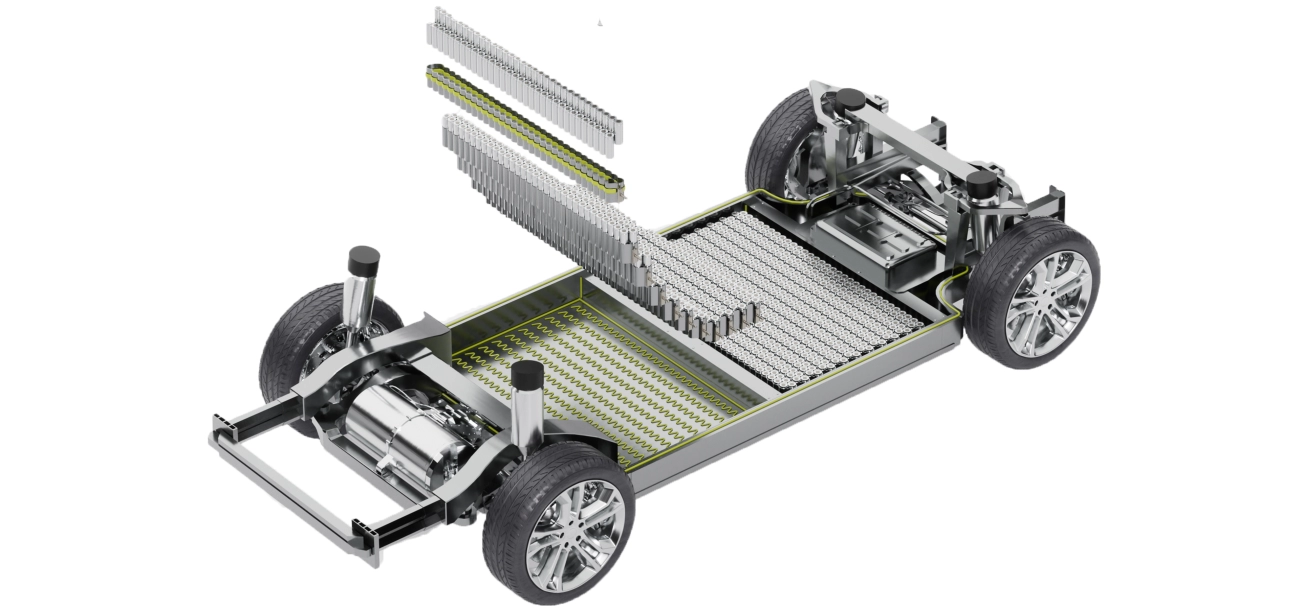
Waterproofing an EV battery pack calls for top-notch sealing tech and the right materials to keep out moisture and protect sensitive components. Gaskets and O-rings made from EPDM, silicone, and fluorocarbon are common choices because they offer excellent chemical resistance and reliable compression, ensuring tight seals even under vibrations and temperature shifts.
For more tailored sealing, form-in-place (FIP) and cure-in-place gaskets are gaining traction. These automated, resealable seals are perfect for routine battery maintenance, allowing service without sacrificing waterproof integrity.
To further block water intrusion and protect cells, potting and encapsulation compounds—special resins that fill voids and wrap around battery modules—are often used. These materials shield against dust, moisture, and mechanical shocks, contributing to long-term reliability.
Adhesives and coatings also play a big role. Silicone sealants and waterproof films provide flexibility and flame resistance, while hybrid solutions enhance durability under harsh conditions.
Sealing isn’t complete without attention to cabling. Connector and cable entry points use waterproof glands, bulkhead fittings, and specialized boots designed to block water entry while maintaining electrical isolation. These seal systems are crucial for high voltage battery waterproof design and reducing moisture intrusion risks.
If you’re interested in seeing how these sealing approaches fit within a fully integrated system, LEAPENERGY’s expertise in advanced battery pack manufacturing offers scalable solutions with robust gasket and sealing tech for durable, IP-rated EV battery packs. Check out their custom EV battery pack solutions with advanced BMS and safety to learn more.
Manufacturing and Assembly Best Practices
Achieving reliable EV battery pack waterproofing starts on the production line with precision welding, machining, and surface finishing to ensure uniform gasket compression. This tight seal is critical to meet the desired EV battery pack ingress protection levels and prevent moisture intrusion.
Quality control is equally essential. Methods like helium or pressure-decay leak tests help detect even the smallest breaches early on. Automated vision systems and in-process validation keep production consistent, reducing defects in high-volume runs. Designing for serviceability with modular seals also allows safe maintenance access without compromising waterproof integrity.
At LEAPENERGY, we’ve developed a scalable, repeatable manufacturing process focused on delivering consistent IP67 and IP68 rated battery enclosures at volume. This approach not only ensures robust waterproofing but also supports efficient mass production, balancing performance with cost-effectiveness. Learn more about how our expertise in scaling EV battery pack manufacturing from prototype to mass production drives superior quality and reliability.
Testing, Validation, and Compliance
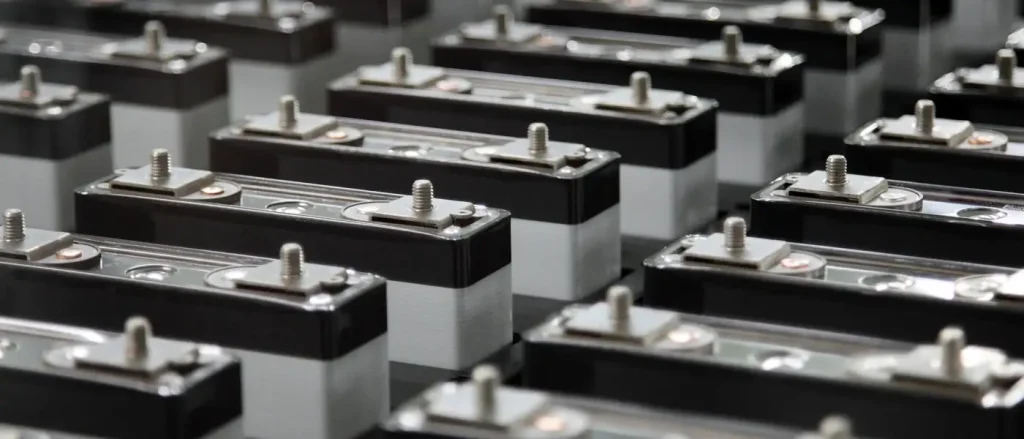
EV battery pack waterproof design relies heavily on rigorous testing to ensure reliability and safety. Standard protocols include immersion tests, high-pressure water jets, dust ingress trials, thermal cycling, and vibration assessments. These simulate real-world conditions like rain, dust storms, temperature swings, and road vibrations common in U.S. driving environments.
Advanced validation goes further with saltwater immersion to mimic coastal or flood-prone scenarios and flood teardown analysis that reveals potential weaknesses after extended submersion. Durability cycling tests confirm long-term waterproof integrity over the battery’s life.
Meeting regulatory and OEM standards is mission-critical. Compliance with SAE, USABC, IEC norms, and automotive functional safety guidelines guarantees that the waterproof battery enclosures perform to industry minimums and provide added confidence to manufacturers and consumers alike.
Performance is continuously measured through iterative testing combined with real-world field data, helping to refine designs and exceed baseline IP67/IP68 ratings expected for electric vehicle battery packs. This thorough approach ensures EV batteries not only withstand harsh environmental elements but also maintain safety and uptime.
For deeper insights into battery system safety and diagnostics, check our detailed breakdown of EV battery system architecture and safety diagnostics.
Innovations and Future Trends in Waterproof Battery Design
Waterproof design for EV battery packs is evolving fast, driven by the need for better durability, safety, and sustainability. One major trend is the use of multi-functional lightweight composites that not only provide strong corrosion resistance but also enhance sealing performance. These advanced materials help reduce overall pack weight while improving protection against moisture and dust intrusion, key for maintaining high IP ratings like IP67 or IP68 in demanding environments.
Another breakthrough is smart sensing technology integrated directly into the battery pack. Moisture and leak detection sensors tied to the Battery Management System (BMS) enable early warnings before small ingress issues become big problems. This proactive approach minimizes risks of short circuits or corrosion damage, boosting overall pack reliability.
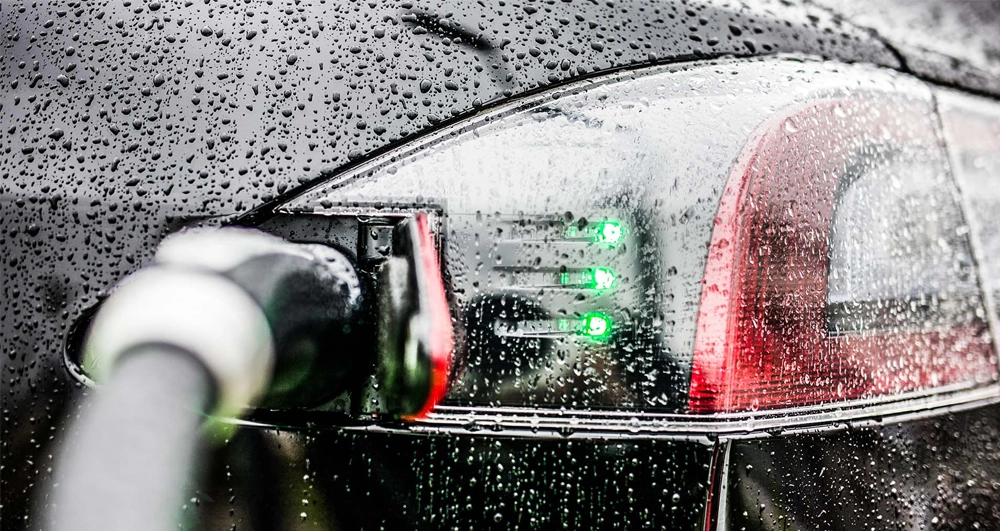
Next-generation waterproofing solutions are also emerging, including self-healing seals that automatically repair minor damage and vapor-permeable but liquid-impermeable membranes that allow pressure equalization without water entry. These innovations improve pressure management and extend battery life under variable weather and road conditions.
Finally, designs optimized for gigafactory-scale production emphasize not only performance but also sustainability. Incorporating recyclable materials and circular economy principles into battery enclosure design supports long-term environmental goals while maintaining rigorous waterproofing standards. For more insights into scalable EV battery production and sustainable sourcing, explore our detailed guides on scalability in EV battery pack production and sustainable sourcing of raw materials.
By combining cutting-edge materials, intelligent sensors, and eco-friendly design, the next wave of waterproof EV battery packs will be smarter, safer, and greener — perfectly suited for the diverse challenges of the U.S. automotive market.
 English
  German
  Chinese
  Spanish