
Pitfall #1: Underestimating System Integration & BMS Complexity
One of the biggest pitfalls in battery projects is underestimating the complexity of system integration and Battery Management System (BMS) engineering costs. Many project teams fall into the hardware vs. software trap—assuming that since the battery pack hardware looks straightforward, the software side, especially the BMS, will be equally simple. This leads to surprises and hidden engineering costs down the line.
Hardware vs. Software Trap in BMS Integration
- Customized BMS engineering costs often exceed initial expectations because the BMS must handle precise battery cell balancing, thermal management, and state-of-charge calculations. Each of these requires specialized firmware development.
- Off-the-shelf BMS solutions may seem cost-effective initially but frequently require extensive firmware revisions to match the unique parameters of your battery pack or system architecture.
- Firmware tweaks and bug fixes can cause significant project delays and increased engineering hours, inflating your Total Cost of Ownership (TCO).
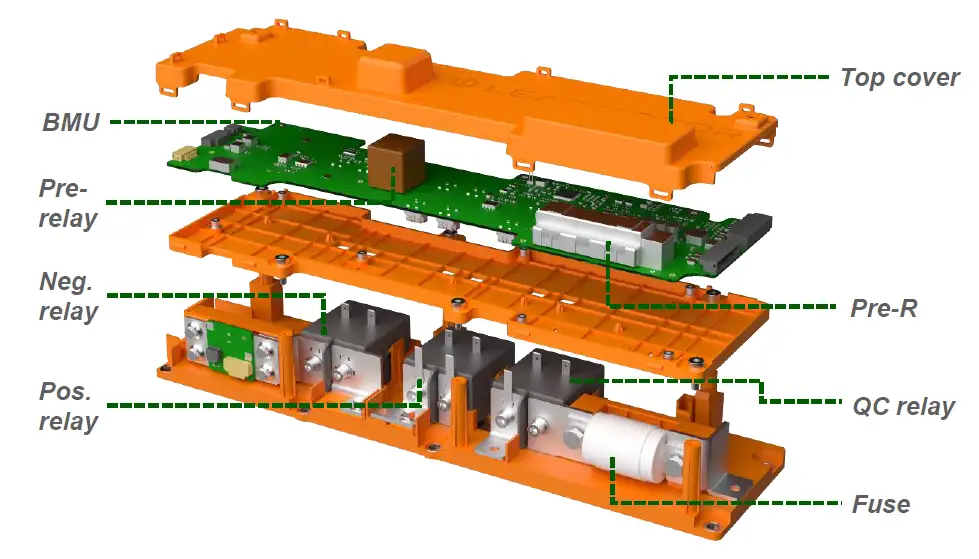
Risks of Off-the-shelf BMS Solutions
- Generic BMS systems may lack full compatibility with your custom battery pack, causing unexpected integration headaches.
- Firmware incompatibilities can trigger repeated validation failures and engineering change management cycles.
- Reliance on standard BMS modules often translates to higher risk in supplier reliability assessment and compliance during certification processes, further delaying project timelines.
Avoid this pitfall by factoring in detailed cross-functional engineering coordination between hardware and software teams early in the battery system procurement strategy. Accounting for custom BMS development not only stabilizes project delivery but also ensures smoother certification and compliance readiness, essential in today’s global battery supply chain.
Pitfall #2: The Design for Manufacturability (DFM) Gap
Moving from prototype to full-scale production is where many battery projects hit a costly snag. What looks good on paper or in a small batch often struggles when ramping up due to overlooked design for manufacturability (DFM) factors. Early-stage designs may not consider assembly efficiencies, material costs in volume, or variations in supplier capabilities—leading to hidden engineering costs that blow your budget.
Managing engineering changes at this stage is crucial. Tooling modifications, rework of battery pack layouts, or adjustments in assembly processes can delay timelines and increase expenses. Each change ripples through your supply chain, affecting supplier delivery capability and long-term manufacturing capacity. This is especially true when switching suppliers to meet scale demands, introducing risks in supplier reliability assessment and potential disruptions.

Scalability issues often stem from a disconnect between design and manufacturing teams. Cross-functional engineering coordination ensures that prototypes evolve into manufacturable, cost-effective products without last-minute surprises. Ignoring this can create bottlenecks in home energy storage scalability or OEM battery system partnerships, reducing overall project profitability.
For a detailed look at managing these transitions effectively, check out strategies in scaling EV battery pack manufacturing from prototype to mass production and best practices for scalability in EV battery pack production. These resources highlight how to avoid design for manufacturability pitfalls and align engineering change management with supplier and production realities.
Pitfall #3: Validation, Certification, and Compliance Blind Spots
A big hidden cost in battery projects comes from underestimating validation, certification, and compliance processes. Certifications like UL, CE, IEC, and UN38.3 are not just checkboxes; they require detailed testing and documentation that can quickly add to your budget. Skimping on these can lead to costly recalls or warranty claims if field failures happen later.
Battery system validation isn’t just about safety—it’s about reliability. Rigorous validation ensures you don’t face unexpected failures after deployment, which can damage your brand and hike your total cost of ownership (TCO). Managing these processes early reduces risks and unexpected expenses.
On top of that, global supply chain compliance risks are growing. Different countries have varying standards, and missing these means your battery system might get stuck in customs or fail to launch in key markets. A comprehensive battery system validation process aligned with international standards helps you avoid costly delays and legal headaches.
For an in-depth look at navigating certification standards, check out this EV battery pack certification guide covering UN38.3, IEC 62660, and more.
Key takeaways:
- Budget realistically for certifications like UL, CE, IEC, and UN38.3 upfront.
- Prioritize thorough validation to prevent field failures and extended warranty costs.
- Manage compliance across your global supply chain to avoid regulatory delays.
- Adopt a robust quality management system (QMS) to keep compliance on track.
Ignoring these blind spots in your battery system procurement strategy could turn your project into an expensive scramble later. Staying proactive here saves time, money, and headaches down the road.

Pitfall #4: Lifecycle Management and Supply Chain Stability
In battery projects, focusing solely on the price per kWh often misses the bigger picture. Instead, evaluating the Total Cost of Ownership (TCO)—which factors in cost per cycle—gives a clearer sense of true project expenses over time.
Key Challenges:
- Supply Chain Volatility: Fluctuations in raw material availability and component shortages cause delays and unpredictable costs. These hiccups impact overall project delivery and can force costly last-minute supplier switches.
- Component Shortages: Critical parts shortages can stall production lines and push up prices unexpectedly, throwing off your lifecycle cost analysis and ruining budgets.
- Long-term Technical Support & QMSWithout a solid Quality Management System (QMS) and robust technical support, projects face higher risks of failure or expensive recalls down the line. Long-term support ensures reliability beyond initial deployment.
Why This Matters:
| Aspect | Impact on Battery Projects |
|---|---|
| Total Cost of Ownership (TCO) | Provides an accurate picture beyond upfront cost |
| Supply Chain Stability | Ensures consistent production and pricing |
| Quality Management System (QMS) | Maintains product reliability over lifecycle |
| Long-term Technical Support | Minimizes downtime and warranty claims |
A well-planned lifecycle approach aligns with managing global battery supply chain risks and supports scalability, especially vital for applications like home energy storage systems. Partnering with OEMs who provide transparent lifecycle cost analysis and supply chain stability eases long-term project management and profitability.
By planning beyond the initial purchase price and factoring in these lifecycle and supply chain elements, you prevent hidden engineering costs and reduce costly project delays.
The LEAPENERGY Approach: Aligning Cost with Value
At LEAPENERGY, we focus on aligning engineering costs with real project value, helping U.S. customers avoid budget surprises in battery system procurement. We believe transparent engineering versus material cost breakdowns is key—so you see exactly where your investment goes, not just the purchase price.
Our approach involves proactive cross-functional engineering coordination. Bringing together design, manufacturing, supply chain, and validation teams early on helps predict hidden engineering costs and reduces costly last-minute changes. This collaboration smooths the path from prototype to scalable production while managing engineering change management effectively.
Reliable validation processes are another core pillar. We ensure rigorous custom battery pack validation and compliance readiness that covers UL, CE, and global standards. This minimizes risks of project delays or costly warranty claims, which often inflate total cost of ownership (TCO) unexpectedly.
Finally, LEAPENERGY’s strong partnerships in a stable global battery supply chain add another layer of security. Our supplier reliability assessment and quality management system (QMS) protocols ensure you benefit from long-term technical support and supply chain stability crucial for lifecycle cost analysis.
For customers focused on home energy storage scalability and dependable battery system sourcing, LEAPENERGY’s method offers a clear roadmap to cost-effective, high-quality battery projects. Explore how we lead in next-gen battery tech by checking out our 800V EV battery solutions and see why OEM battery system partnerships with us create smoother project deliveries.
 English
  German
  Chinese
  Spanish