
I’ll be honest—when I first started looking into electric vehicles, the battery pack seemed like this mysterious black box that powered the car. But after spending time researching how these systems actually work, I’ve learned that understanding the electric vehicle battery pack isn’t as complicated as it sounds.
The battery is the heart of any EV, accounting for up to 40% of the vehicle’s total cost. It stores electrical energy that powers the motor, determines how far you can drive, and plays a huge role in the car’s performance. But what exactly goes into these battery packs, and what should you know before buying an EV? Let me share what I’ve discovered.

What Makes Up an Electric Vehicle Battery Pack
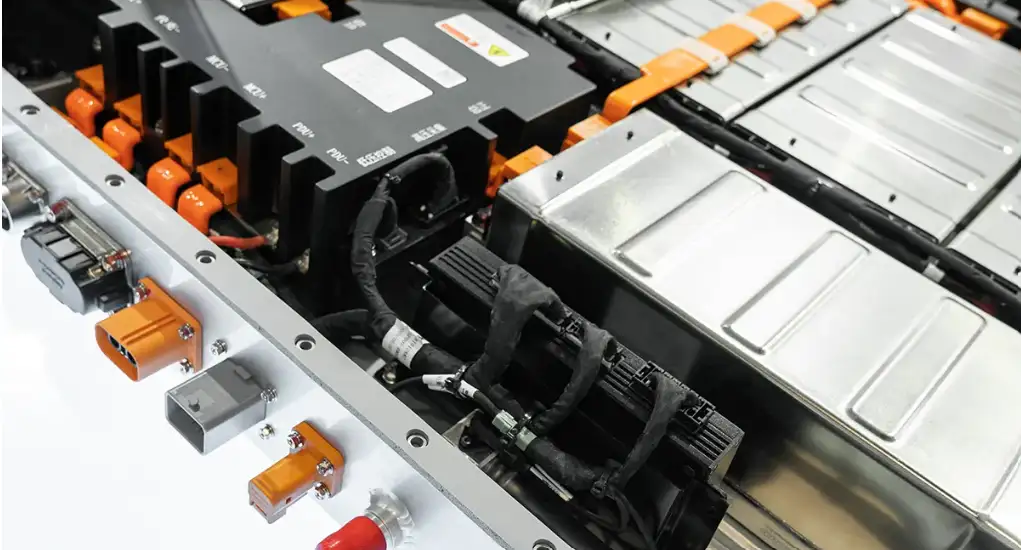
An electric vehicle battery pack isn’t just one giant battery. It’s a complex system made up of hundreds or thousands of individual cells connected together. These cells are organized into modules, which are then assembled into the complete pack.
The pack itself weighs between 660 to 2,200 pounds in most passenger cars. Each cell stores energy through chemical reactions, and when you connect thousands of them in series and parallel configurations, you get enough voltage and capacity to power a vehicle for 150 to 500 miles on a single charge.
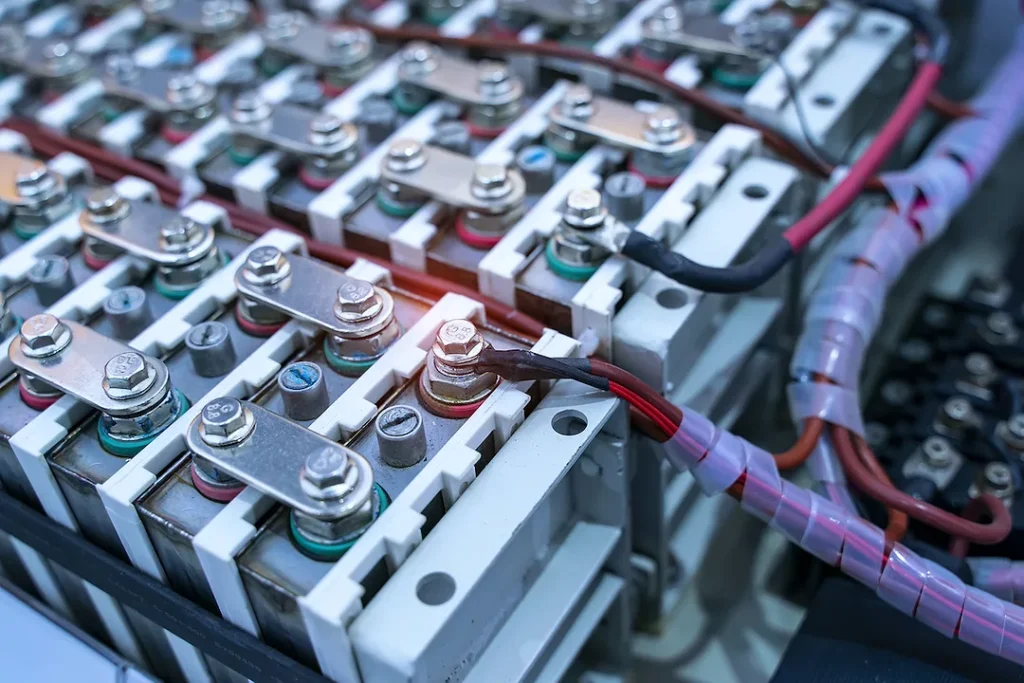
Beyond the cells themselves, battery packs include a Battery Management System (BMS) that monitors temperature, voltage, and charge levels. There’s also thermal management equipment, electrical connectors called busbars, and protective housing. The BMS is particularly smart—it can prevent damage by limiting charging speeds when the battery gets too hot or too cold.
NMC vs LFP: Two Main Battery Chemistries
Most modern EVs use lithium-ion batteries, but there are two main types: Nickel Manganese Cobalt (NMC) and Lithium Iron Phosphate (LFP). Each has different trade-offs.
NMC batteries use a cathode made from nickel, manganese, and cobalt. They pack more energy into less space, which means better range per pound of battery. That’s why you’ll find them in long-range EVs like many Tesla models and the Chevrolet Bolt. NMC batteries typically offer 1,000 to 2,500 charge cycles and perform well in cold weather.
LFP batteries use iron phosphate as the cathode material. They’re safer, last longer (often 3,000 to 8,000 cycles), and cost about 20-30% less than NMC. The downside? They’re heavier for the same amount of energy and don’t perform as well in freezing temperatures. I’ve noticed more affordable EVs switching to LFP—Tesla’s standard-range Model 3, MG4, and all BYD models use this chemistry.

How Long Do EV Battery Packs Actually Last
One of the biggest questions I had was about lifespan. Turns out, modern EV batteries last way longer than most people think.
Recent data shows that EV batteries last an average of 18.4 years, with some surpassing 400,000 miles. Battery degradation has improved dramatically—newer batteries lose only 1.8% of their capacity per year under normal conditions, down from 2.3% just a few years ago.
Most EV batteries will outlive the car itself. I found that replacement rates are incredibly low: under 4% across all models, and just 2% for modern EVs from 2022 onwards. First-generation EVs from 10+ years ago show higher replacement rates around 8.5%, but that makes sense given the older technology.
Temperature plays a big role. Batteries in moderate climates typically last 12-15 years, while extreme heat or cold can reduce that to 8-12 years. But manufacturers have gotten better at thermal management, which helps.
Battery Warranties and What They Cover
Every new EV sold in the U.S. comes with a battery warranty—federal law requires at least 8 years or 100,000 miles of coverage. California goes further, mandating 10 years or 150,000 miles starting with 2026 models.
Most warranties guarantee the battery will retain at least 70% of its original capacity during the coverage period. If it drops below that threshold, the manufacturer will repair or replace it at no cost. Tesla offers 150,000 miles on some models, while Hyundai and Kia provide 10-year/100,000-mile coverage.
I should mention that these warranties typically transfer to new owners, which is good news if you’re shopping for a used EV. Just make sure to verify the remaining warranty before buying.
Replacement Costs and What to Expect
Battery replacement costs have dropped significantly, but they’re still substantial. In 2025, expect to pay $5,000 to $20,000 for the battery pack itself, plus $1,000 to $3,000 in labor.
Small city EVs sit at the lower end of that range. Long-range luxury SUVs and trucks can hit $20,000 or more. Manufacturing costs have fallen to around $115 per kWh, though retail pricing for replacements runs $130-150 per kWh once you factor in diagnostics, labor, and overhead.
Here’s the good news: most people never pay for a replacement. Batteries either last beyond the warranty period without issues, or they’re covered under warranty if they do fail. Some manufacturers like Chevy and BMW even swap out individual faulty modules instead of replacing the whole pack, which saves thousands.
Cell Formats: Cylindrical, Prismatic, and Pouch
Battery cells come in three physical formats, each with different characteristics.
Cylindrical cells look like larger versions of AA batteries. They’re the least expensive to manufacture and offer good thermal management. Tesla uses thousands of these in their packs—typically 5,000 to 9,000 cells per vehicle. The downside is they don’t pack as efficiently, leaving some wasted space.
Prismatic cells are rigid and rectangular, maximizing space efficiency. They’re ideal for larger vehicles needing big battery packs, but they cost more to produce and can have thermal management challenges due to their size.
Pouch cells are rectangular but wrapped in a soft aluminum case that allows some expansion. They’re lightweight and flexible in design but face reliability concerns and are more prone to damage.
Charging Habits That Extend Battery Life
I’ve learned that how you charge matters as much as what you drive. Here’s what actually helps:
Don’t charge to 100% regularly. Most manufacturers recommend keeping the charge between 20-80% for daily use, saving full charges for long trips. Don’t let the battery drain to zero either—that stresses the cells.
Limit DC fast charging to when you actually need it. Fast charging generates more heat, which accelerates degradation over time. Park in a garage when possible, especially in extreme temperatures. And if your EV has a preconditioning feature, use it before charging in cold weather—it warms the battery using grid power instead of draining the pack.
Conclusion
The electric vehicle battery pack is no longer the mystery it once seemed to me. These systems have improved dramatically in just the past few years, with better lifespans, falling costs, and enhanced safety features. Whether you choose an EV with NMC batteries for maximum range or LFP for longevity and value, modern battery technology has reached a point where it’s reliable and practical for daily driving. With 8-10 year warranties as standard and real-world lifespans exceeding 15-20 years, the battery shouldn’t be a barrier to EV ownership. I’ve found that understanding the basics—chemistry types, maintenance habits, and warranty terms—makes the whole EV experience less intimidating and more exciting.
FAQs
What is the average lifespan of an electric vehicle battery pack?
Most EV batteries last between 12-20 years depending on climate and usage. Recent studies show an average lifespan of 18.4 years, with modern batteries degrading at only 1.8% per year. Many batteries will outlast the vehicle itself, and some have already exceeded 400,000 miles. Temperature extremes can reduce lifespan to 8-12 years in hot or very cold climates.
What’s the difference between NMC and LFP battery chemistries?
NMC (Nickel Manganese Cobalt) batteries offer higher energy density and better range but cost more and typically last 1,000-2,500 cycles. LFP (Lithium Iron Phosphate) batteries are safer, last longer (3,000-8,000 cycles), cost 20-30% less, but are heavier and less efficient in cold weather. NMC suits long-range EVs while LFP works well for affordable, daily-use vehicles.
Do EV battery warranties transfer to second owners?
Yes, in most cases EV battery warranties do transfer to subsequent owners. Federal law requires minimum 8-year/100,000-mile coverage, and this protection typically stays with the vehicle regardless of ownership changes. However, some manufacturers may reduce coverage terms for used vehicles, so always verify the remaining warranty details before purchasing a used EV.
How can I maximize my EV battery’s lifespan?
Keep your charge level between 20-80% for daily use, avoiding regular full charges to 100%. Limit DC fast charging to when necessary, as it generates heat that accelerates degradation. Park in a garage during temperature extremes, and use preconditioning features before charging in cold weather. These simple habits can significantly extend your battery’s useful life beyond 15 years.
 English
  German
  Chinese
  Spanish