
Key Raw Materials in EV Battery Production
Electric vehicle (EV) batteries rely heavily on several critical minerals that determine their performance, cost, and sustainability. The primary raw materials include lithium, nickel, cobalt, manganese, and graphite, each playing a unique role in battery chemistry and function. Emerging battery types, like lithium iron phosphate (LFP) chemistries, offer alternatives with different mineral demands and sustainability profiles.
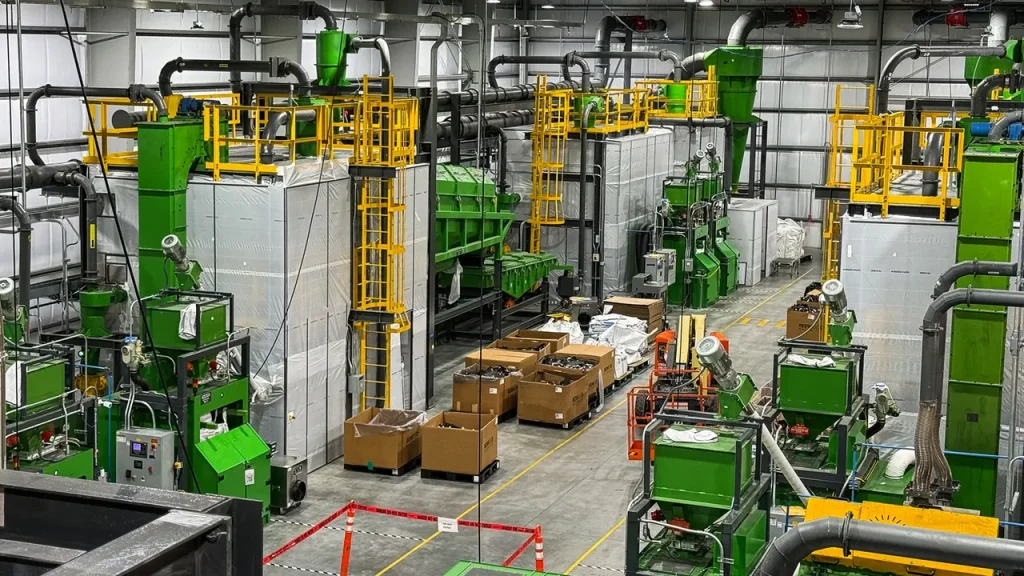
Breakdown of Critical Minerals
- Lithium: Essential for energy storage capacity, lithium is the cornerstone of lithium-ion batteries. It is primarily found in South America’s “Lithium Triangle” (Argentina, Bolivia, Chile) and also extracted from hard rock sources globally.
- Nickel: Used mainly in cathodes to improve energy density and battery lifespan. Major nickel supplies come from Indonesia, the Philippines, and Russia.
- Cobalt: Stabilizes cathode chemistry and aids battery safety but carries significant ethical and supply risks. The Democratic Republic of Congo (DRC) dominates global cobalt production, raising concerns over labor practices and geopolitical stability.
- Manganese: Provides structural stability and improves battery performance in certain cathode formulations.
- Graphite: The main material for battery anodes, graphite is sourced mostly from China, driving supply concentration risks. Synthetic graphite is also used, but involves higher energy input.
Emerging Alternatives: LFP Chemistries
LFP (lithium iron phosphate) batteries reduce or eliminate the need for nickel and cobalt, focusing instead on iron and phosphate, which are more abundant and less problematic from supply and ethical angles. This has increased interest in diversifying battery chemistry to improve sustainability.
Global Supply Sources and Risks
- Concentration Risks: Critical minerals are often concentrated in a few geographic regions, leading to potential supply disruptions.
- Cobalt supply is heavily reliant on the DRC.
- Lithium is concentrated in South America and Australia.
- Graphite production is dominated by China.
- These concentration risks underscore the need for transparent and ethical sourcing strategies.
Role in Battery Performance
- Cathode Materials: Lithium, nickel, cobalt, and manganese form the cathode, which largely controls capacity, energy density, and battery stability.
- Anode Material: Graphite, whether natural or synthetic, serves as the anode, critical for energy storage and charge-discharge cycles.
Understanding the supply chain of critical minerals for EV batteries is vital for building a sustainable, resilient, and ethical battery production ecosystem, especially for markets like the United States where demand for EVs is rapidly growing.
Environmental and Social Challenges in Traditional Sourcing
Mining for critical minerals in EV batteries—like lithium, cobalt, nickel, and graphite—comes with serious environmental and social costs. Water consumption during extraction is massive, especially in arid regions where lithium brine extraction can deplete local water supplies, affecting communities and ecosystems alike. Habitat disruption is another concern as mining operations clear large areas, threatening biodiversity. Carbon emissions from heavy machinery and processing add to the overall environmental footprint, while waste generation—from tailings to chemical byproducts—poses long-term contamination risks.
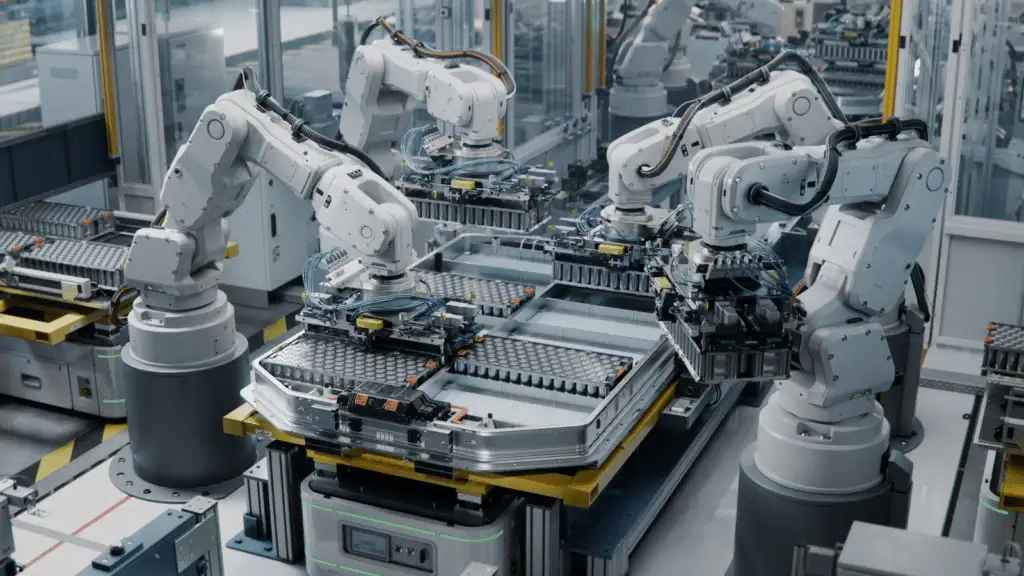
Social challenges are equally pressing. Many high-risk regions, such as the Democratic Republic of Congo for cobalt, face labor abuses including unsafe working conditions and child labor. Human rights issues persist, alongside community displacement as mining operations expand. These challenges put pressure on companies to pursue ethical mining practices and ensure supply chain transparency.
Additionally, the geopolitical landscape creates vulnerabilities in the lithium-ion battery supply chain. Concentrated supply sources lead to price volatility and risks of disruption—from political instability, export controls, or environmental regulations—that can ripple across the EV industry. To build robust and sustainable battery production, addressing these environmental, social, and geopolitical challenges is critical. For insights on demand trends related to these supply concerns, exploring battery pack demand drivers by region provides valuable context.
What Sustainable Sourcing Really Means
Sustainable sourcing in EV battery production means procuring raw materials ethically, transparently, and with a low environmental footprint—all while following strong ESG (Environmental, Social, and Governance) standards. It’s about more than just buying minerals; it requires a commitment to responsible practices that safeguard people and the planet from extraction to battery assembly.
The core principles include thorough due diligence to ensure materials come from reputable sources, full traceability from mine to battery to prevent conflict minerals, and reliance on third-party certifications like the Initiative for Responsible Mining Assurance (IRMA) and the Responsible Minerals Initiative. These frameworks help verify that mining respects labor rights, environmental protections, and community interests.
Regulatory requirements also play a major role. For example, the EU Battery Regulation sets strict rules on recycled content and limits carbon emissions linked to battery materials. In the U.S., the Inflation Reduction Act encourages clean energy manufacturing, boosting demand for responsibly sourced minerals. Together with global standards for transparency and carbon footprint disclosure, these regulations push the entire EV supply chain to raise the bar on sustainable sourcing.
For companies focused on sustainability, aligning with such regulations and traceability standards is essential—not only to reduce environmental impact but also to maintain supply chain resilience and meet consumer expectations. This approach ultimately supports a cleaner, more ethical EV battery supply chain that the U.S. market highly values.
For more insights on compliance and global battery regulations, check out our detailed guide on global EV battery regulations and compliance updates.
Strategies for Responsible and Sustainable Sourcing
To build a truly sustainable supply chain for EV battery production, diversifying sources and working with suppliers who follow high ethical and environmental standards is crucial. This reduces risks tied to geopolitical issues and poor labor practices often linked to critical minerals like cobalt and lithium.
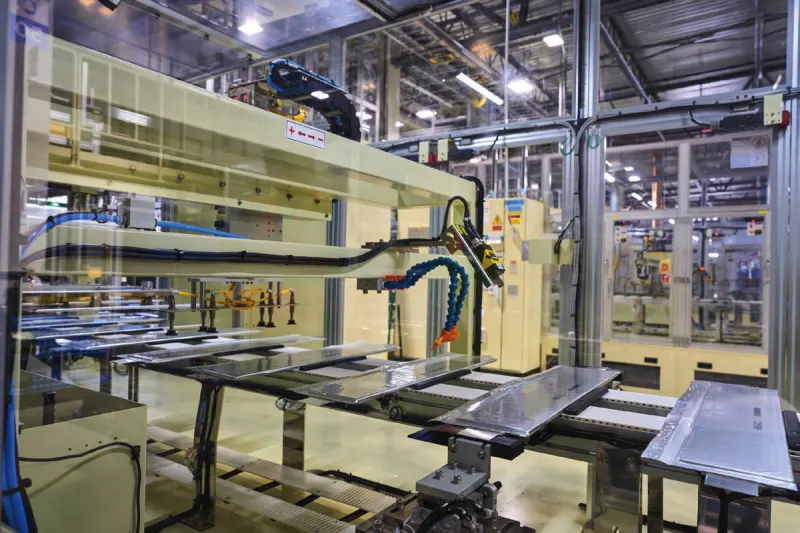
Using advanced extraction methods is another key step. Technologies like direct lithium extraction from brines allow for lower water use and reduced habitat disruption compared to traditional mining. These innovations help curb the environmental impact often seen in lithium-ion battery supply chains.
The industry is also moving toward cobalt-reduced and cobalt-free battery chemistries, such as lithium iron phosphate (LFP) batteries. LFP batteries not only address ethical concerns around cobalt mining but also offer safety and longevity benefits. LEAPENERGY’s high-voltage LFP battery solutions illustrate how these technologies can support more sustainable electric vehicle systems.
Finally, integrating recycled and secondary materials back into battery production plays a critical role in cutting down the demand for virgin minerals. Increasing recycled content helps lower the carbon footprint of battery manufacturing and boosts supply security amid rising global demand. Overall, these strategies form the backbone of responsible sourcing practices in the US EV market and beyond.
The Critical Role of Recycling and Circular Economy
Recycling is key to sustainable sourcing of raw materials for EV battery production. Today, recycling rates for lithium-ion batteries remain low but are set to rise sharply as technology improves and regulations tighten. Closing the loop means recovering critical minerals like lithium, cobalt, and nickel from used batteries instead of relying solely on mining.
Current and Projected Recycling Rates
| Year | Recycling Rate (%) | Impact on Primary Demand Reduction |
|---|---|---|
| 2026 | ~5-10% | Minimal effect on virgin material demand |
| 2030 | ~25% | Moderate relief on mining needs |
| 2050 | 50-60% | Potential 25-40% drop in primary mineral demand |
Benefits of Battery Recycling
- Reduced mining impact: Lower demand for virgin critical minerals cuts water use, habitat loss, and emissions.
- Lower carbon footprint: Recycling slashes emissions from battery raw material extraction and refining.
- Supply security: Less exposure to geopolitical risks and price volatility by reclaiming materials domestically.
- Economic value: Creates circular supply chains and new industries around recovered minerals.
LEAPENERGY leads the charge by designing batteries with recyclability in mind and fostering closed-loop collaborations. These efforts support integrating recycled content to lessen environmental impact and ensure steady supply.
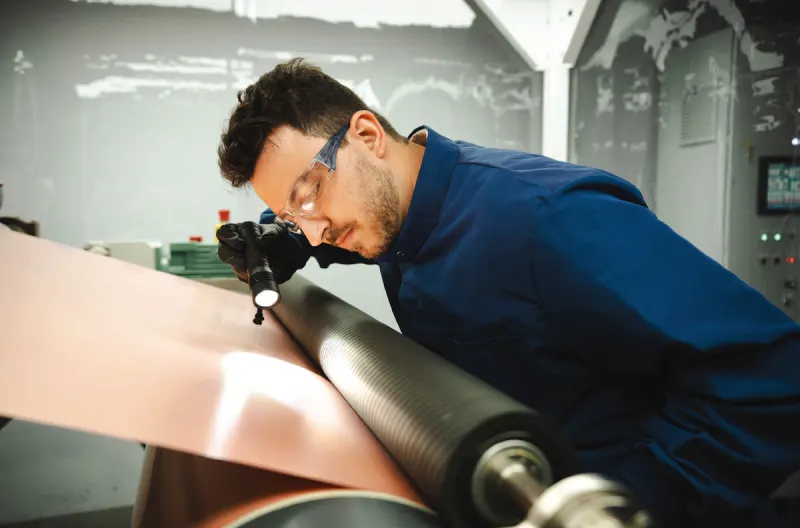
For example, LEAPENERGY’s focus on durable battery pack design enhances lifespan and ease of material recovery, contributing to a stronger circular economy. Learn more about how smart designs improve durability and recyclability in our guide to designing durable automotive-grade battery packs for long-term reliability.
Implementing robust recycling alongside sustainable raw material sourcing is essential for the EV industry’s future, reducing dependency on critical minerals and aligning with responsible sourcing standards.
Innovations and Future Trends Shaping Sustainable Sourcing
The push for sustainable sourcing in EV battery production is driven by breakthroughs in technology and shifting industry policies. Emerging materials like biomass-derived anodes and synthetic graphite offer greener alternatives to traditional graphite mining, cutting down environmental impact. Meanwhile, alternative battery chemistries—including advanced cobalt-free options—are gaining traction, helping reduce reliance on high-risk minerals.
On the policy front, there’s strong momentum toward boosting domestic and onshored production in the U.S., supported by incentives in laws like the Inflation Reduction Act. International cooperation also plays a crucial role in ensuring supply chain transparency and reducing geopolitical risks in critical minerals.
Scaling recycled content is another game-changer. Tools based on blockchain and digital battery passports are improving traceability in lithium-ion battery supply chains, ensuring responsible sourcing from mine to battery. These digital innovations support circular economy goals by making it easier to track materials and boost battery recycling rates.
For those interested in the latest on battery health and emerging tech, exploring LEAPENERGY’s insights on AI-driven EV battery health prediction offers a detailed look at how innovation is shaping the future of sustainable battery production.
LEAPENERGY’s Approach to Sustainable Raw Material Sourcing
LEAPENERGY is committed to sustainable sourcing by conducting thorough supplier audits and implementing robust traceability programs. These efforts ensure that every critical mineral used in our EV batteries meets strict ethical mining practices and aligns with global responsible sourcing standards. We actively partner with producers who share our dedication to transparency and environmental stewardship, helping to secure a more sustainable lithium-ion battery supply chain.
In addition to sourcing raw materials responsibly, LEAPENERGY integrates recycled content into our battery production. We invest heavily in circular practices that reduce reliance on virgin materials and lower the overall carbon footprint of battery manufacturing. This approach supports the broader goal of creating a circular economy in the EV sector, minimizing environmental impact while boosting supply security.
To measure our progress, LEAPENERGY has set clear targets for carbon footprint reduction and responsible sourcing percentages. By tracking these metrics, we ensure continuous improvement and meaningful contributions to global sustainability efforts. This commitment not only meets regulatory demands—such as those in the EU Battery Regulation and the US Inflation Reduction Act—but also supports our position as a reliable leader in the evolving EV battery market. For more on how we work with partners to maintain quality and sustainability, check out our collaboration efforts in Stellantis and LEAPMOTOR partnership.
 English
  German
  Chinese
  Spanish