
Understanding Residential Energy Storage Systems
Residential Energy Storage Systems (ESS) are transforming how homeowners use and manage their energy. At their core, these systems store electricity for later use, providing flexibility, savings, and backup power when you need it most.
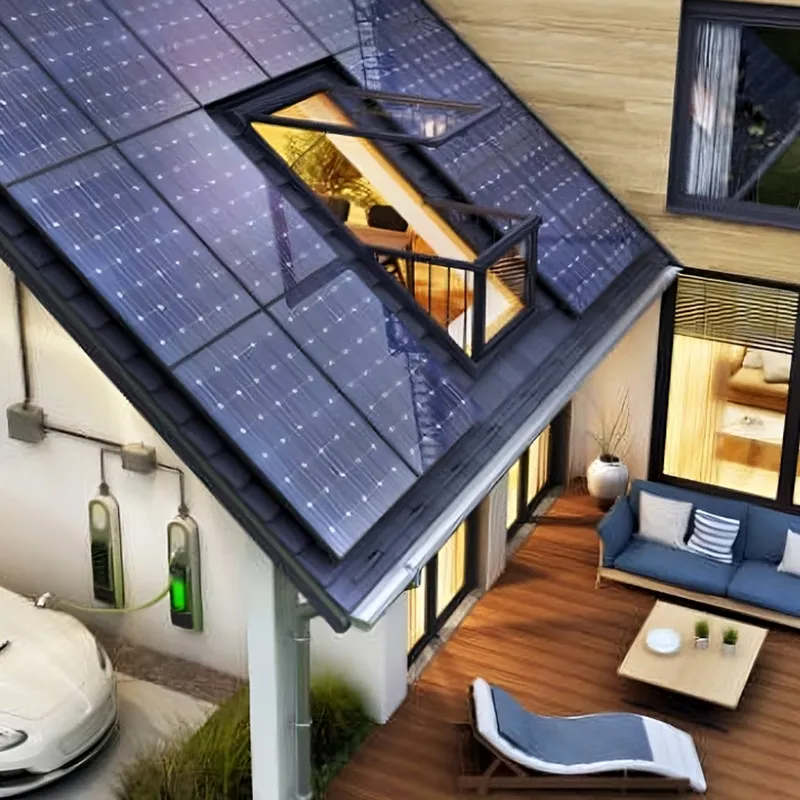
Core Components of a Home Battery Storage System
- Batteries: The heart of the system, commonly lithium iron phosphate (LiFePO4) for safety and durability.
- Inverters: Convert DC power from batteries to AC for home use. The two main types are:
- Hybrid inverters: Combine solar and battery inputs seamlessly.
- AC-coupled inverters: Work alongside existing solar setups, ideal for retrofits.
- Battery Management System (BMS): Ensures safety by monitoring cell health, temperature, and charge levels.
- Energy Management Software: Smart apps that optimize when to charge, use, or export energy.
- Balance-of-System Elements: Includes wiring, breakers, and safety devices that complete the setup.
How a Residential ESS Works
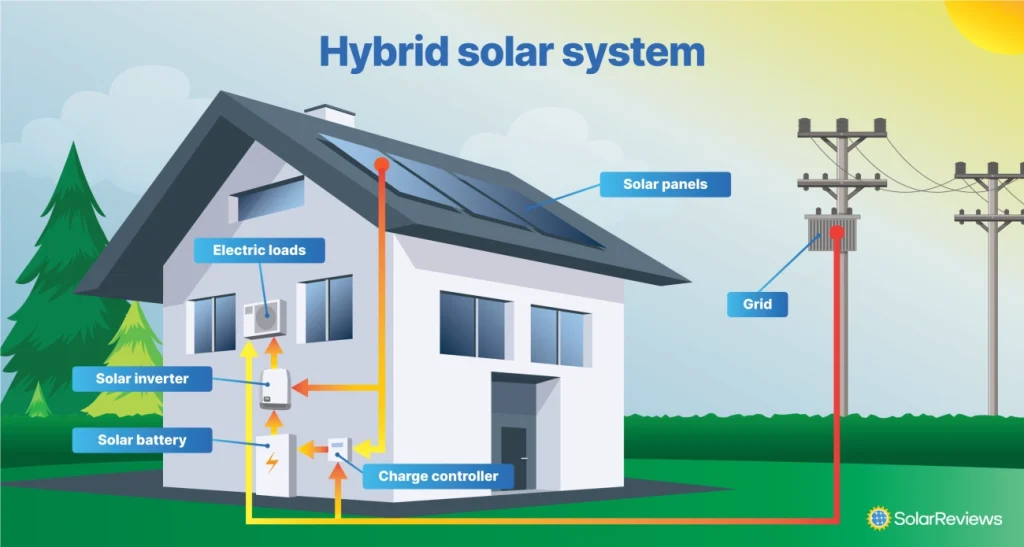
Think of your home ESS as a smart energy hub. It can charge batteries from rooftop solar panels or the utility grid, store excess energy, and discharge it to power your home appliances. When integrated with the grid, it can even send power back during peak demand or offer backup during outages.
Common Residential Energy Storage Applications
- Solar Self-Consumption: Maximize your solar energy use, reducing grid reliance.
- Time-of-Use (TOU) Bill Management: Store energy when rates are low, use or sell it when rates peak.
- Whole-Home or Critical-Load Backup: Keep essentials like refrigerators and medical devices running during blackouts.
- Vehicle-to-Home (V2H) Integration: Use your electric vehicle’s battery to power your home when needed.
ESS System Architectures Explained
- Grid-Tied Systems: Regularly interact with the utility grid, feeding excess energy back and drawing power as needed.
- Hybrid Systems: Blend solar, battery, and grid power smoothly for maximized efficiency and backup.
- Off-Grid Systems: Fully independent setups, common in remote areas, relying solely on stored and renewable energy.
Visualizing these designs helps you understand system flow—think of arrows showing energy moving from panels to batteries, from batteries to your home, and back to the grid or EV charger.
By understanding these basics, you’re well on your way to designing the right residential energy storage system tailored to your home’s unique energy needs.
Assessing Your Home’s Energy Needs – The Foundation of Smart Design
Before choosing a residential energy storage system, it’s crucial to understand your home’s energy needs. Start by conducting a professional energy audit. This includes reviewing 12 months of utility bills, identifying peak loads, and calculating your daily and seasonal energy consumption. Knowing these details helps you select the right home battery storage system sizing and ensures your solution matches your lifestyle.
Focus on key metrics like average daily kWh usage, peak kW demand, and critical loads such as refrigerators, medical equipment, and essential lighting. These factors will determine your essential backup power requirements and the scale of your battery management system for homes.
You can use various tools and methods to gather this data, including online calculators, smart meter data, or professional site assessments. Each can provide valuable insights into your consumption patterns to tailor your system correctly.

Don’t forget to factor in future energy needs, such as EV charging, home electrification upgrades, or an expanding family’s power demands. Planning ahead ensures your residential energy storage system remains effective and scalable as your energy use grows.
For homeowners integrating solar PV, exploring hybrid solar battery inverter design options alongside your energy storage system can optimize efficiency and savings. For more comprehensive guidance, see our detailed resources on integrating solar PV with home energy storage for true independence.
Choosing the Right Battery Technology
When it comes to residential energy storage system design, selecting the right battery technology is key. Lithium-ion batteries, especially lithium iron phosphate (LiFePO4), are a top choice compared to alternatives like lead-acid or nickel-based batteries. LiFePO4 offers deeper depth of discharge, longer cycle life, better efficiency, enhanced safety, and superior thermal stability—which matters for home safety and performance.
LiFePO4 batteries stand out for homes due to their exceptional longevity, often exceeding 6,000 charge cycles. This means you get more years of reliable service with minimal capacity loss. Plus, LEAPENERGY uses high-performance EV-derived LiFePO4 cells designed for residential energy storage, ensuring top-notch durability and consistent power delivery. These cells benefit from advanced design innovations focused on safety and ease of maintenance, like those described in LEAPENERGY’s modular EV battery pack standards for driving safety.
Another big advantage is scalability. LiFePO4 systems come in stackable, modular units, letting you start with what fits your current energy needs and expand as your power demands grow—whether that’s adding EV charging capacity or preparing for future home electrification.
Choosing a LiFePO4 battery backed by LEAPENERGY’s innovative technology means investing in a safe, efficient, and expandable home battery storage system that matches today’s residential energy storage needs perfectly.
Sizing Your Residential Energy Storage System
Sizing your home battery storage system right is key to getting the most from your investment. Start by calculating your daily energy usage (in kWh) — this comes from your utility bills or smart meter data. Then, decide how many days of autonomy you want (how long the battery should last without solar or grid power). Use this formula:
Battery capacity (kWh) = Daily energy needs × Days of autonomy ÷ Efficiency factor
Efficiency usually ranges between 85-95% depending on system losses.
Next, understand the difference between power rating (kW) and energy capacity (kWh):
- Power rating (kW): How much load the inverter and battery can support at once. Make sure it can handle your home’s peak demand, especially if you have high-demand appliances running simultaneously.
- Energy capacity (kWh): How much total energy your battery can store to cover your needs for the chosen duration.
When pairing your battery with solar, consider oversizing your storage capacity a bit to capture excess PV production for use later or during outages.
For example:
- A typical 3-bedroom home without solar might use around 30 kWh daily. For 2 days of backup autonomy at 90% efficiency, you’d size around 67 kWh (30 × 2 ÷ 0.9).
- With solar, you might size smaller since panels recharge your battery daily, unless you want full autonomy for critical circuits.
Common sizing mistakes include:
- Undersizing the battery, causing backup power to run out quickly during outages.
- Oversizing without considering cost-effectiveness, which increases upfront costs with minimal added savings.
For detailed sizing examples and guidance tailored to EV owners and solar users, check out our guide on residential energy storage for EV owners with high-voltage LiFePO4 batteries. This resource helps with matching battery capacity and inverter power to real-world home energy demands and future growth.
Proper sizing leads to reliable backups, efficient solar use, and the best return on your residential energy storage system investment.
System Architecture and Integration Design
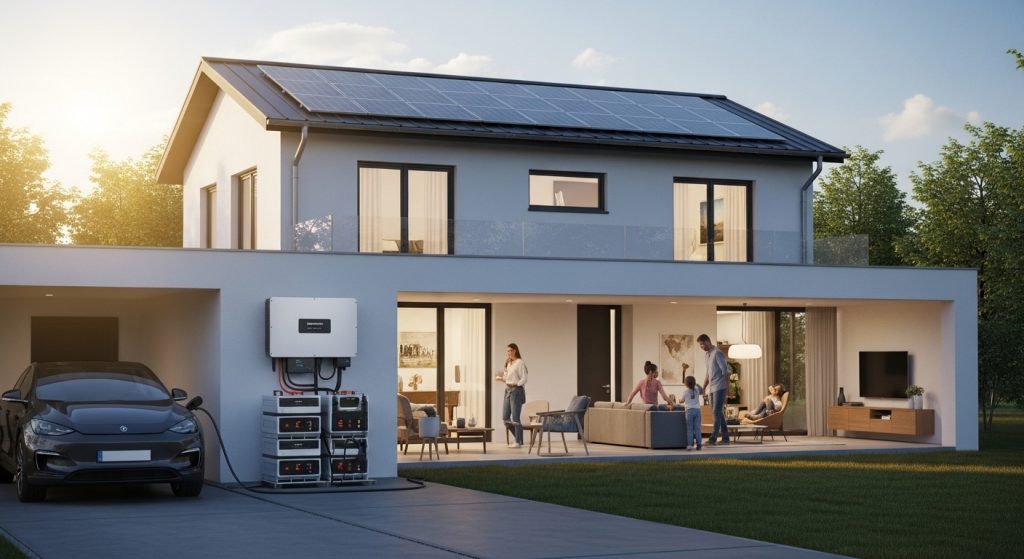
When designing your residential energy storage system, choosing the right architecture is key. You’ll encounter two main setups: DC-coupled and AC-coupled configurations. DC-coupled systems connect the battery directly to the solar array’s DC output, offering higher efficiency and simpler energy flow. However, they can be less flexible for retrofits. AC-coupled systems, on the other hand, tie the battery on the AC side, making them ideal for upgrading existing solar setups without rewiring.
Picking the right hybrid inverter is crucial since it manages solar generation, battery storage, and grid interaction all at once. A reliable hybrid solar battery inverter design ensures smooth energy switching between charging from solar or grid, powering your home, and feeding surplus back to the grid. This setup maximizes your savings and system reliability.
Integration doesn’t stop at just solar and storage. Modern residential systems often connect with smart home devices and EV chargers, enabling vehicle-to-home (V2H) capabilities and smarter energy use. This interconnected design lets you optimize charging times, monitor consumption, and control your home’s energy flow from a single platform.
Advanced software and monitoring tools play a big role here. Many systems now come with app-based controls and AI-driven optimization that adapt to your habits and utility rates, helping you get the most from your home battery storage system. Remote diagnostics keep your system running smoothly, alerting you early to any issues.
For deeper insight into battery system architecture and safety, consider resources like LEAPENERGY’s detailed guides on EV battery system architecture and safety diagnostics, which can inform your design choices.
Safety, Codes, and Installation Best Practices
When designing a residential energy storage system, safety is non-negotiable. Key safety factors include effective thermal management to prevent overheating, reliable fire suppression systems, and proper ventilation to keep battery packs cool and efficient. Compliance with standards like UL 9540 and IEEE 1547 ensures your home battery storage system meets national safety and performance requirements.
Choosing the right site for your energy storage system matters. Whether indoor or outdoor, consider temperature ranges, minimum clearance for air circulation, and local risks like floods or earthquakes. These elements protect your investment and avoid costly damage.
Before installation, securing permits and coordinating utility interconnection are essential. This means understanding net metering rules, local building codes, and the authority having jurisdiction (AHJ) requirements in your area. These regulations vary by state and utility, so do your homework or work with professionals.
Speaking of professionals, installing a residential energy storage system properly often requires certified installers. DIY installation risks can lead to severe safety hazards and void warranties. For advanced battery management and safety, solutions like LEAPENERGY’s battery packs come with integrated systems designed to enhance EV battery safety, offering peace of mind and reliable operation throughout your system’s life. Check out how their advanced battery management system adds an extra layer of protection during installation and daily use.
By following these best practices and safety codes, you’ll build a dependable and code-compliant home battery storage system that keeps your family safe and electricity flowing without interruption.
Economic Analysis and Incentives for Residential Energy Storage Systems
When planning your home battery storage system, understanding the upfront costs, payback period, and lifetime savings is crucial. The initial investment depends on system size, battery technology, and installation complexity, but properly sized systems can significantly reduce your electric bills over time.
Key Economic Factors:
- Upfront costs: Battery modules, inverter, installation, and balance-of-system components.
- Payback period: Often 5–10 years, influenced by energy rates and incentives.
- Lifetime savings: Comes from reduced grid energy use, demand charge management, and backup power value.
Available Incentives:
Homeowners in the U.S. can tap into multiple programs to lower costs:
- The federal Investment Tax Credit (ITC) offers a significant credit on storage systems paired with solar.
- State rebates and utility programs provide additional discounts or performance-based incentives.
- Financing options, including solar loans and leases, help spread upfront expenses.
ROI Scenarios:
- Systems combined with solar maximize savings through self-consumption and net metering.
- Time-of-use (TOU) rate structures benefit from smart storage use to shift consumption and reduce peak demand charges.
- Even without solar, backup and load management can add value in outage-prone areas.
Long-Term Value with LEAPENERGY Batteries:
Choosing premium LiFePO4 lithium iron phosphate residential ESS like LEAPENERGY’s offerings means you get extended warranty coverage, consistently high efficiency, and minimal degradation over thousands of cycles. This enhances your system’s lifetime savings and boosts return on investment.
For a deeper understanding of cost drivers and integration benefits, check out how battery pack demand varies by region and why engineering costs can affect overall project pricing.
By factoring in these economic aspects and incentives early on, you can design a residential energy storage system that not only meets your home’s needs but also fits your budget smartly.
Operation, Maintenance, and Optimization
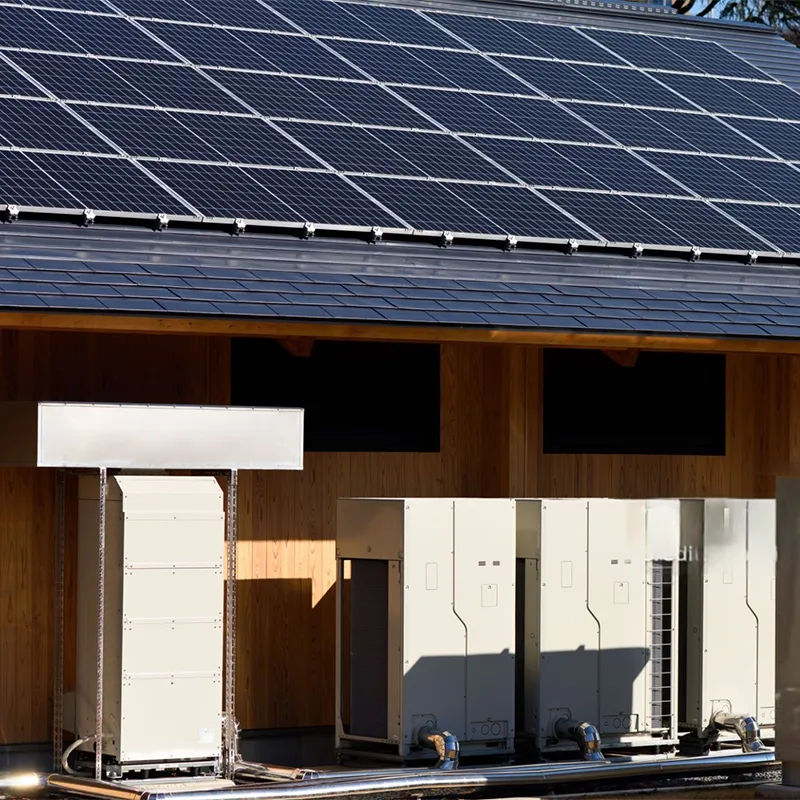
Running a residential energy storage system (ESS) smoothly means understanding its daily operation modes. Most homeowners use their system for self-consumption, storing solar energy during the day to power the home later. Some choose arbitrage, charging the battery when electricity rates are low and using it during peak rates to save money. Others prioritize backup power, ensuring critical loads stay on during outages.
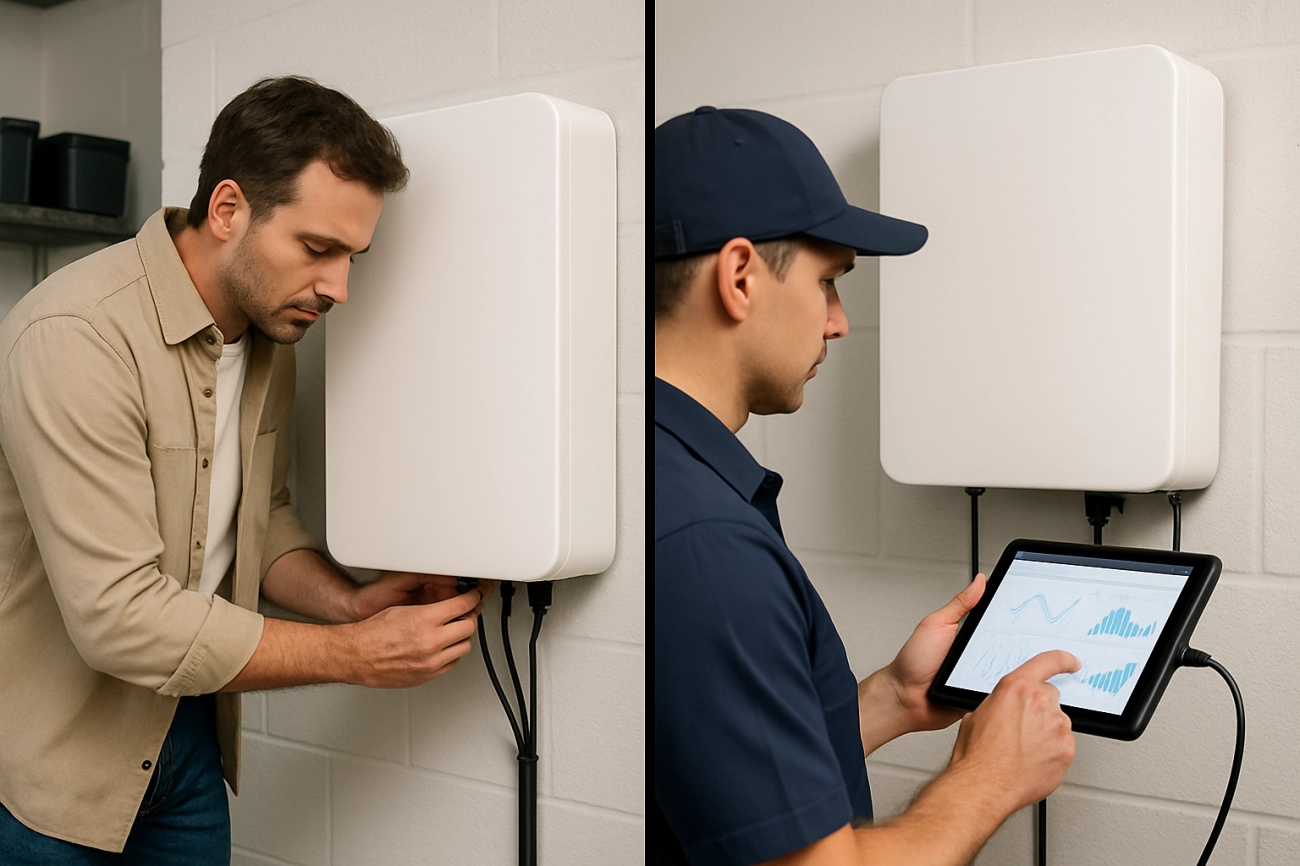
Monitoring your system is key to catching issues early. Modern ESS setups offer real-time performance tracking, automatic alerts, and regular firmware updates to keep everything running efficiently. For lithium-based systems like LiFePO4, maintenance is minimal but still important—think of it as routine checks of connections, ventilation, and system health to ensure safety and longevity.
Planning for the future? Scalable, modular battery systems make it easy to add capacity or integrate new tech like updated inverters or EV chargers without a full overhaul. Staying proactive with operation and upkeep maximizes your system’s efficiency, extends battery life, and protects your investment.
For more on ensuring longevity and avoiding failure points in your battery system, check out practical insights on commonly overlooked failure mechanisms in battery system engineering.
Case Studies and Real-World Examples of Residential Energy Storage Systems
Looking at real-world installations helps show what well-designed residential energy storage systems (ESS) can deliver. Across different climates—from sunny California to colder Midwest states—homeowners have applied smart energy storage system design to meet diverse goals and home sizes.
Success Stories Across Varied Homes and Climates
- Small urban homes using scaled-down lithium iron phosphate residential ESS achieved reliable whole-home backup and reduced peak demand charges.
- Suburban 3–4 bedroom homes paired with solar saw dramatic bill reductions by optimizing self-consumption and time-of-use rate strategies.
- Rural off-grid families relied on robust, scalable modular home battery systems to maintain power during long outages and harsh weather.
- Those integrating EV charging benefit from vehicle-to-home (V2H) backup, enhancing energy independence.
Measurable Improvements Before and After Installation
- Bill savings often reach 20–40% by shifting load and storing solar excess, especially when coupled with hybrid solar battery inverter design.
- Outage resilience improves markedly; critical load panel battery backup ensures refrigerators, medical devices, and lighting remain operational during grid failures.
- Energy independence rises as homeowners expand battery capacity to cover multiple days of autonomy.
Each case underscores the advantages of premium LiFePO4 battery technology, known for longer cycle life, enhanced safety, and efficiency. Their reliability aligns with findings from 2026 residential energy storage market trends and growth insights, reinforcing why this chemistry is becoming the cornerstone of residential BESS.
Integrating a high-quality battery management system for homes ensures smooth operation, while AI-driven energy management software optimizes performance over time. These case studies confirm that a customized, well-planned residential energy storage installation not only cuts costs but boosts comfort and security year-round.
 English
  German
  Chinese
  Spanish