
When you’re choosing a power protection system or battery management setup, the architecture matters more than you might think. I’ve spent years evaluating these systems, and the debate between modular vs monolithic pack designs isn’t just technical jargon—it directly affects your uptime, budget, and future flexibility.
What Makes These Designs Different?
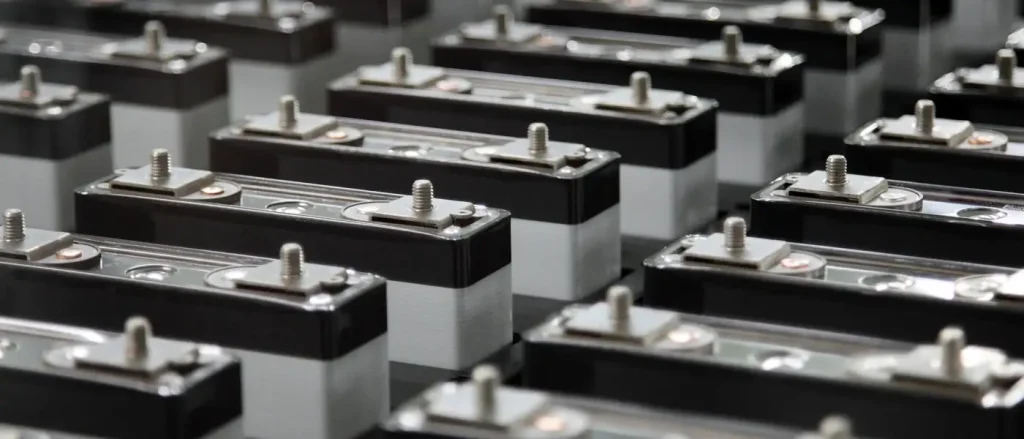
Modular and monolithic represent two distinct approaches to system design. Monolithic systems use single sub-systems with one rectifier, one inverter, and no built-in redundancy, while modular systems consist of smaller components that can be added or removed to scale up or down.
Think of monolithic designs as all-in-one units where everything operates as a single entity. Monolithic systems operate as single, centralized units managing entire packs. You’ll find these in traditional UPS systems and older battery management architectures.
Modular designs feature decentralized architecture where multiple smaller units manage specific segments, with each module operating autonomously for high flexibility and scalability. This approach has gained traction in recent years across multiple industries.
Cost Comparison
Traditional monolithic solutions have lower initial price tags when comparing similar power requirements, making them the choice for organizations with smaller needs that won’t change soon.
But here’s where it gets interesting. Monolithic users often pay more for oversized systems to reach their power requirements, and changing requirements typically demand a completely new system. I’ve seen companies outgrow their monolithic systems within 2-3 years, forcing expensive replacements.
While modular systems have higher initial costs, they provide long-term savings through lower maintenance, scalability, and higher efficiency.
Scalability and Flexibility
Modular designs let you increase capacity by simply adding power modules to existing racks, and you can swap modules between systems to address changing load profiles. That’s a game-changer for growing businesses.
Monolithic systems become less practical as battery systems increase in size and complexity, often requiring complete redesigns for larger setups.
Reliability and Redundancy
Here’s a common misconception: Monolithic systems feature simpler designs with fewer individual components, meaning fewer potential failure points.
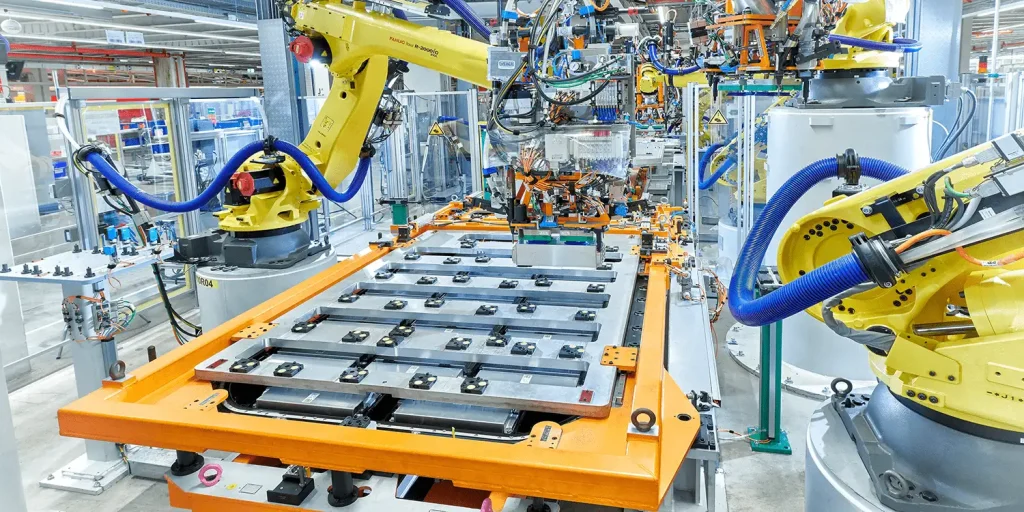
In monolithic systems, one component failure can mean total system failure, but in true modular units, failed modules are separated from the rest while other modules maintain operation. Modular systems offer inherent redundancy—if one module fails, others continue operating, minimizing downtime and ensuring continued performance.
Modular systems achieve up to 99% efficiency, reducing energy waste and cooling costs. Modular systems run at peak efficiency near maximum rated capacity, and plug-and-play modules allow scaling capacity to keep actual load demand closer to capacity versus oversized, inefficient systems.
Maintenance Considerations
Modular systems are generally easier to maintain—faulty modules can be isolated and replaced without disrupting the entire system, reducing maintenance time and costs.
Modular systems feature hot-swappable, plug-and-play components with high mean time between failure rates. You can service them without shutting down your entire operation.
Compare that to monolithic systems where ordering a few modular components for a supply closet is much easier than ordering a spare part kit for monolithic systems.

When Monolithic Makes Sense
Monolithic systems work best when initial cost is an issue with low-risk loads, no redundancy requirements, or when loads can safely go unprotected during maintenance. They require less expertise for deployment and work well for offices, emergency backup, and low-power environments.
Conclusion
After evaluating both architectures across multiple applications, modular designs offer better long-term value for most growing operations. LEAPENERGY provides scalability, redundancy, and easier maintenance at the cost of a higher upfront investment. Monolithic systems remain viable for smaller, stable applications where simplicity and initial cost matter most. Your choice should align with your growth trajectory, risk tolerance, and operational requirements.
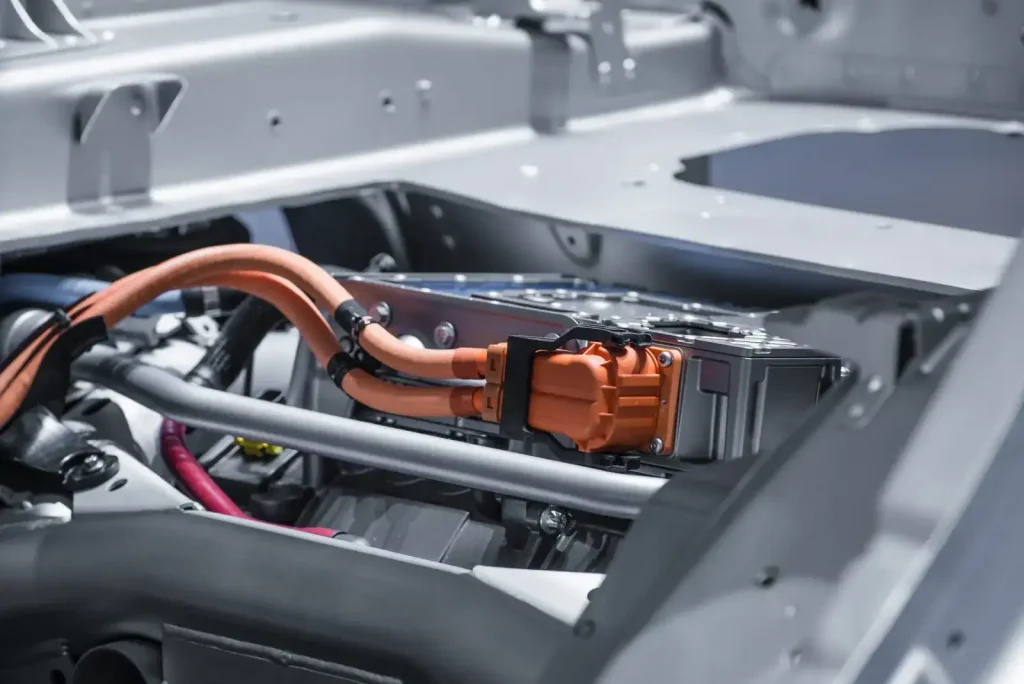
LEAPENERGY MODULAR BATTERY PACK
FAQs
Q1: How much more expensive are modular systems upfront?
Modular systems typically cost 15-25% more initially than comparable monolithic systems. However, you’re not forced to purchase full capacity on day one—you can start with fewer modules and add more as needed. This “pay-as-you-grow” model often results in lower actual initial investment, and the long-term savings from better efficiency and easier maintenance usually offset the price difference within 3-5 years.
Q2: Can I convert my existing monolithic system to a modular?
You can’t directly convert a monolithic system to a modular one since they use fundamentally different architectures. You’d need to replace the entire system. However, you can transition gradually by installing modular systems alongside existing monolithic ones, then decommissioning the older units as your needs evolve. This approach minimizes disruption and spreads costs over time.
Q3: Which design is safer for mission-critical applications?
Modular systems generally offer superior safety for critical applications due to built-in redundancy and fault isolation. If one module fails, others continue operating, preventing total system failure. Monolithic systems lack this redundancy—a single component failure can bring down the entire system. For hospitals, data centers, and other environments where downtime isn’t an option, modular architecture provides better protection.
Q4: How does efficiency compare at partial loads?
Modular systems significantly outperform monolithic designs at partial loads. You can activate only the modules needed for current demand, keeping them near optimal efficiency levels. Monolithic systems must run at full capacity regardless of actual load, which wastes energy when demand is low. This efficiency advantage translates to lower operating costs and reduced cooling requirements.
Q5: What’s the typical lifespan difference between these designs?
Both designs can last 10-15 years with proper maintenance, but modular systems often achieve longer effective lifespans. Since you can replace individual modules as they age or upgrade them with newer technology, modular systems stay current longer. Monolithic systems typically require complete replacement when major components fail or become obsolete, often forcing premature retirement of otherwise functional systems.
 English
  German
  Chinese
  Spanish