
Understanding EV Battery Basics and Optimal Operating Conditions
Electric vehicle (EV) batteries mainly use lithium-ion chemistry, prized for its high energy density and long lifespan. These batteries perform best within a specific temperature range, typically around 20–30°C (68–86°F). Staying in this optimal zone ensures peak efficiency, helping maintain battery capacity, range, and charging speed.
Behind the scenes, the Battery Management System (BMS) plays a critical role in keeping the battery healthy. The BMS continuously monitors temperature, voltage, and current, adjusting active thermal management systems that cool or heat the battery as needed. This balance prevents overheating in hot weather and freezing conditions during cold spells, protecting battery health.
When temperatures drift outside the ideal range, it affects key battery functions. Cold weather slows ion movement inside the battery, increasing internal resistance and reducing the speed of chemical reactions. This results in lower efficiency and range. Conversely, heat accelerates chemical reactions but can cause unwanted side effects that degrade the battery faster over time. Understanding these temperature effects on EV battery performance highlights why thermal management and maintaining optimal conditions are essential for reliable, long-lasting electric driving.
The Effects of Cold Weather on EV Battery Performance
Cold weather has a noticeable impact on EV battery temperature effects, especially when temperatures drop below freezing. In the short term, electric vehicles can see a range loss of roughly 20–40%. This happens because low temperatures slow down the lithium-ion battery’s chemical reactions and reduce ion movement, which means the battery can’t deliver power as efficiently. At the same time, the EV uses extra energy to heat the cabin and the battery itself, further cutting into the driving range.
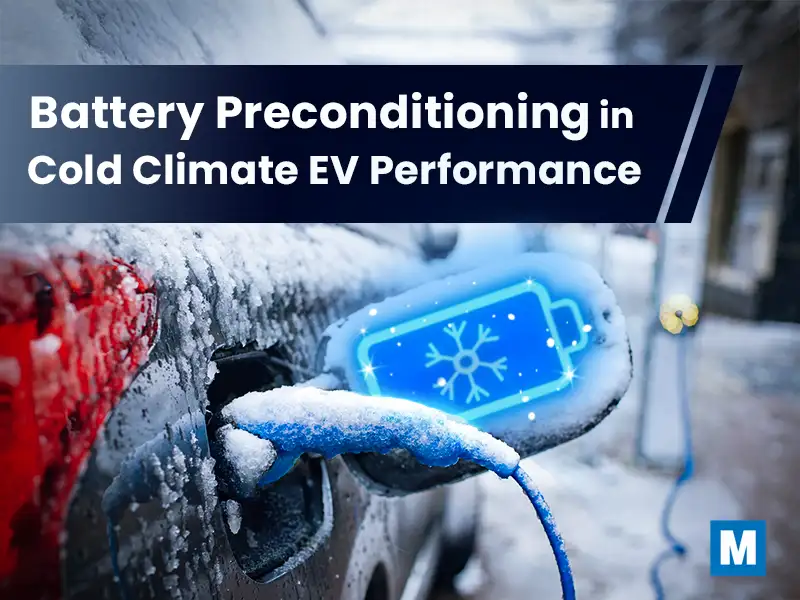
Charging in cold weather also becomes more challenging. You’ll notice slower charging rates and higher internal resistance in the battery, making it take longer to charge fully. Real-world data backs this up—with average range reductions of 25–41% reported when driving at sub-zero temperatures.
In terms of long-term effects, cold climates tend to cause less permanent battery degradation compared to hot weather. Batteries often experience minimal capacity loss from consistent cold, especially when paired with good battery management systems. However, there’s a difference between vehicles used in consistently cold regions versus those facing occasional cold snaps. In consistently cold climates, EVs can adapt better, while sudden cold can catch some systems off guard, affecting efficiency more temporarily.
For drivers in colder parts of the U.S., understanding these effects can help manage expectations and optimize EV use during winter months. Proper thermal management and preconditioning really make a difference in maintaining battery efficiency and range in cold weather. Learn about how advanced battery pack design can boost cold-weather performance and extend EV range with efficient integration techniques.
The Effects of Hot Weather on EV Battery Performance
Hot weather impacts EV battery performance, but in different ways than cold. In the short term, you might notice a minor range loss—typically between 5–18% when temperatures climb above 90°F (32°C). This drop mainly comes from running the air conditioning and the battery thermal management system working harder to cool the cells.
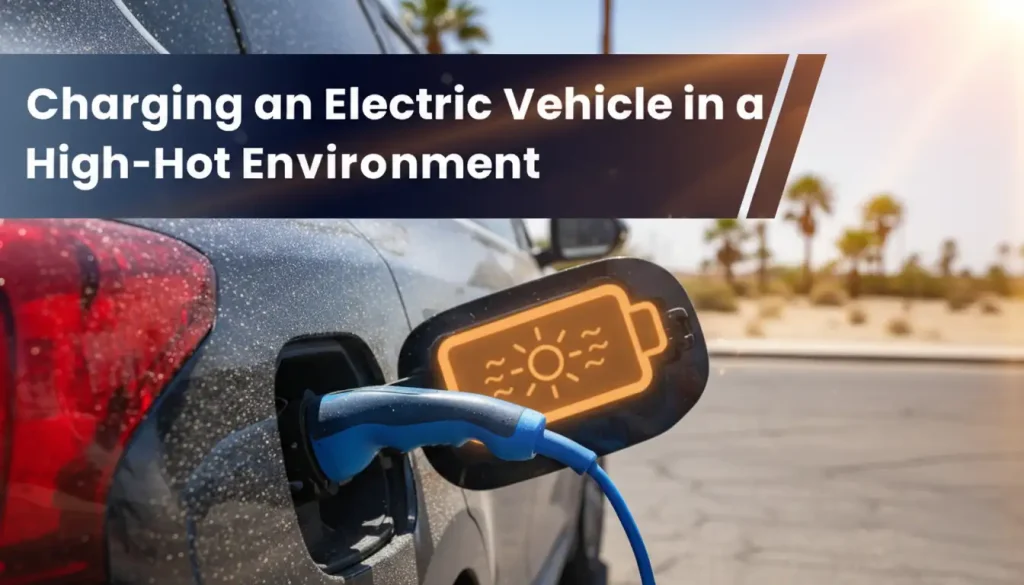
Charging in hot conditions can be trickier, too. The higher thermal load means your battery may charge more slowly or less efficiently, but these effects are generally less severe than the range loss you see in cold weather. Still, heat puts extra stress on the battery during charging, which can add up over time.
Long term, hot climates can accelerate battery degradation. Studies show that batteries in consistently warm areas lose capacity about 0.4% faster each year due to increased unwanted chemical reactions inside the cells. Over a decade, this can result in around 10% more capacity loss compared to batteries kept in milder temperatures.
Without effective thermal management, the risk of battery overheating becomes a serious concern in hot weather. Proper heat control is essential to keep your EV’s battery healthy and extend its overall lifespan. For a deeper look at the thermal challenges and how to combat them, the advanced methods discussed in commonly overlooked failure mechanisms in battery system engineering are worth exploring.
Other Climate Factors Beyond Temperature
While temperature plays a big role, other climate conditions like humidity, elevation, and solar irradiation also affect EV battery performance. High humidity can increase corrosion risks inside battery packs, while higher elevation means thinner air, which can reduce cooling efficiency and impact battery thermal management systems. Intense solar irradiation heats the battery surface, sometimes pushing temperatures beyond optimal ranges and causing extra energy use for cooling.

Precipitation, whether rain or snow, adds another layer of challenge by increasing rolling resistance on roads. This means your EV has to work harder, draining the battery faster and reducing overall range. Seasonal shifts and extreme weather patterns—more common now due to climate change—combine these factors, creating unpredictable driving conditions that challenge battery efficiency and durability.
As climate change continues, we can expect these impacts to intensify, making it critical for EV technology to adapt through improved battery chemistries and smarter thermal management. Understanding how these variables come together helps drivers make better decisions about charging and trip planning in diverse climates.
For developers and users alike, exploring advanced solutions like those discussed in how to evaluate battery system suppliers during prototype stage can offer insights into building EV batteries that cope better with these combined climate stresses.
Advanced Solutions from LEAPENERGY: Building Resilience into EV Batteries
LEAPENERGY leads the way with innovative thermal management systems that keep EV batteries running efficiently in both hot and cold weather. Their advanced active heating and cooling technologies ensure batteries stay within the optimal temperature range, preventing the performance dips that come from extreme conditions. These smart systems also help maintain faster charging rates and safer battery operation, addressing common temperature effects on EV charging.
Battery preconditioning features are another key benefit, allowing drivers to warm up or cool down the battery and cabin while still plugged in. This not only improves range and efficiency but also extends battery life by minimizing stress during startup in harsh climates. LEAPENERGY’s durable cell chemistry is specially designed to tolerate a wide temperature spectrum, enhancing battery efficiency in winter and reducing heat impact on lithium battery lifespan in the summer.
Real-world testing by LEAPENERGY demonstrates superior EV battery performance across diverse climates, showing less range loss and slower degradation thanks to these innovations. For a deeper look into these cutting-edge battery techs, their battery pack solutions for commercial EVs provide excellent examples of how modular designs and integrated systems improve thermal stability and overall durability in electric vehicles.
Practical Tips to Minimize Climate-Related Impacts on EV Battery Performance
To get the most out of your EV battery despite temperature swings, try these easy habits:
- Precondition your battery and cabin while plugged in. Warming or cooling your battery before driving helps maintain optimal battery efficiency and range in cold or hot weather.
- Park in shade or a garage whenever possible. Avoiding direct sun or freezing exposure reduces strain on the battery’s thermal management system.
- Use eco or heated seats wisely instead of blasting full cabin climate control. This saves energy and lessens impact on your EV range in extreme temperatures.
- Plan your routes and charging stops with weather in mind. Knowing where charging stations are and what temperatures you’ll face helps manage EV range in extreme climates.
- Keep up with regular maintenance and software updates. A well-maintained EV with an optimized battery management system (role of BMS in EV battery packs) runs more efficiently under weather stress.
- Adopt smart charging habits: Avoid topping off to 100% in hot weather to reduce long-term degradation. Schedule charging sessions to finish just before you leave rather than leaving the battery full and hot for hours.
These simple steps help you limit the effects of climate on EV battery temperature effects and improve overall electric vehicle range, especially during cold weather EV range loss or summer heat EV battery degradation.
 English
  German
  Chinese
  Spanish