
Understanding EV Battery Basics
Electric vehicle (EV) battery packs are the heart of any EV, powering your drives while affecting range, durability, and performance. To understand how high-quality battery packs extend EV range and lifecycle, we first need to look at their key components and important metrics.
Key Components of a Modern EV Battery Pack
| Component | Description |
|---|---|
| Cells | The fundamental energy units—usually lithium-ion—that store and deliver power. Cell quality heavily influences lifespan and efficiency. |
| Modules | Groups of cells assembled together to form manageable units. Modules enhance safety and simplify maintenance. |
| Integration | How modules and cells are combined into a complete battery pack, including wiring, cooling systems, and the enclosure. Precise integration impacts pack durability and performance. |
Standard vs. High-Quality Battery Packs
High-quality EV battery packs differ from standard versions in several ways:
- Cell Selection: Premium packs use top-tier lithium-ion cells with consistent chemistry and lower impurities, ensuring long cycle life and higher energy density.
- Materials: Better pack materials improve thermal management and structural strength.
- Build Precision: Skilled assembly reduces defects and improves electrical connections, enhancing safety and efficiency.
Essential Battery Metrics
| Metric | What It Means | Why It Matters |
|---|---|---|
| Energy Density (Wh/kg) | Amount of energy stored per kilogram | Higher energy density unlocks longer drives without increasing weight. |
| Cycle Life | Number of full charge/discharge cycles before capacity drops significantly | Longer cycle life means your battery keeps its capacity, preserving range for years. |
| State of Health (SOH) | Current condition of the battery compared to its original state | SOH helps monitor battery performance and predict when maintenance or replacement is needed. |
Understanding these basics helps you see why quality matters. The right cell chemistry, precise pack integration, and monitoring of key metrics can make a huge difference in how far and how long your EV performs.
How High-Quality Battery Packs Enhance Driving Range
High-quality battery packs boost EV range primarily through higher energy density and smart packaging. This means more usable capacity fits into the same or smaller space—without adding extra weight. Packs designed with superior lithium-ion cells deliver more watt-hours per kilogram (Wh/kg), letting you drive farther on a single charge.
Advanced integration techniques like cell-to-pack (CTP) and cell-to-chassis (CTC) also play a huge role. By removing unnecessary components and streamlining the battery pack layout, these methods improve efficiency and reduce internal resistance. This lightweight battery pack design not only cuts down on weight but also optimizes power delivery, helping motors run smoother and last longer.
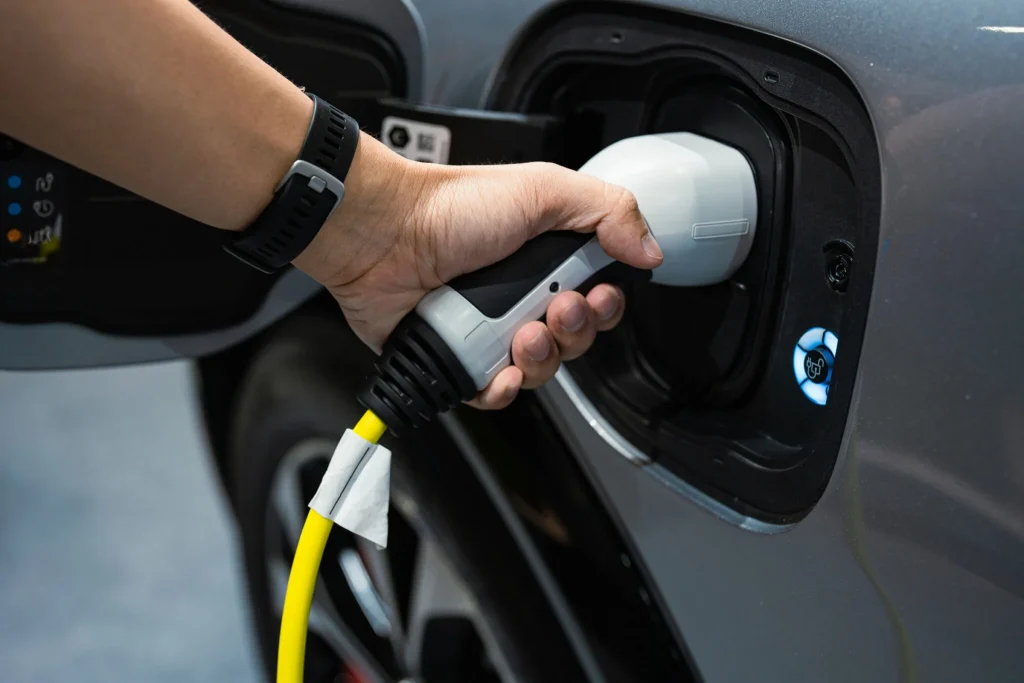
Thanks to these innovations, many modern EVs hit the 300+ mile range mark with minimal trade-offs in size or cost. For example, specialized battery pack packaging paired with cutting-edge cell-to-pack integration combines to maximize capacity and overall vehicle efficiency. To understand more about these advances, check out LEAPENERGY’s detailed guide on module-to-pack integrated EV battery systems.
In short, high-quality battery packs designed for EV range optimization unlock more driving miles per charge while keeping the vehicle light and efficient—an essential balance for today’s drivers.
Mechanisms for Extending Battery Lifecycle
Extending an EV battery’s lifecycle starts with superior cell quality and consistency. High-quality lithium-ion cells degrade much slower over time, thanks to better materials and precise manufacturing. This minimizes performance loss and keeps capacity stable through many charge cycles.
Battery degradation happens mainly due to heat buildup, chemical breakdown, and mechanical stress. Premium battery packs reduce these issues with advanced thermal management and robust design, preventing excessive heat that accelerates wear. By controlling temperature and internal resistance, these high-quality packs help maintain performance longer.
Cycle life optimization plays a big role too. Leading battery packs can achieve 2,000+ charge cycles while retaining most of their original capacity, meaning the battery lasts far beyond typical packs before noticeable drop-off. This is critical for both passenger EVs and commercial fleets that demand durability.
Another key factor is battery consistency, which ensures cells age evenly and function predictably. Battery Management Systems (BMS) help with intelligent balancing and continuous state of health (SOH) monitoring, keeping the pack within ideal performance ranges and signaling when maintenance or recalibration is needed.
For a deeper dive into how cutting-edge integration and management techniques support long battery life, check out this detailed EV battery pack guide.
Critical Features of High-Quality Battery Packs
High-quality EV battery packs stand out thanks to several essential features that boost performance, safety, and lifespan.
Advanced Battery Management System (BMS)
- Uses intelligent algorithms to monitor cell health, state of charge, and temperature
- Protects against overcharge, overdischarge, and short circuits
- Optimizes energy use for better range and efficiency
- Enables precise battery balancing to extend overall pack life
Robust Thermal Management
- Maintains consistent battery temperature even in extreme heat or cold
- Prevents overheating, which can cause faster battery degradation
- Supports fast charging by controlling heat buildup
- Ensures reliable performance for both passenger and commercial vehicles
High-Capacity Designs
- Offers increased energy density to maximize range without adding weight
- Tailored options available for electric commercial vehicles needing longer duty cycles
- Balances pack size with vehicle design for optimal integration
Fast-Charging with Longevity
- Supports rapid recharge speeds without sacrificing battery health
- Integrates thermal and charging management to reduce stress on cells
- Ideal for fleet vehicles that demand frequent, quick turnarounds
| Feature | Benefit | Application |
|---|---|---|
| Advanced BMS | Efficient protection and energy use | All EV types |
| Thermal Management | Consistent performance under all conditions | Passenger & commercial EVs |
| High-Capacity Packs | Longer driving range, lightweight design | Passenger & commercial EVs |
| Fast-Charging Support | Quick recharge while preserving battery life | Fleet and heavy-duty use |
For a deeper look into safety features that complement these critical elements, visit LEAPENERGY’s overview of key safety features in EV battery packs.
The Importance of Safety and Standards
Safety is a top priority when it comes to EV battery pack design. High-quality battery packs comply with global EV battery safety standards like UN 38.3, IEC 62660, ISO 6469, UL 2580, and GB/T. These certifications ensure batteries undergo rigorous testing for stress, impact, overcharge, and thermal events to protect drivers and vehicles.
Built-in protections guard against common hazards such as thermal runaway, overcharging, and mechanical damage. Features like advanced battery disconnect units (BDUs) prevent dangerous failures by isolating faulty cells before issues escalate. This kind of battery pack integration boosts reliability and helps maintain stable range over time.
By meeting and often exceeding these standards, high-quality EV batteries deliver long-term dependability, safeguarding your investment and helping preserve battery health and performance. For more on how safety certifications impact EV battery design, check out our detailed guide on UL 2580 and ISO 26262 EV battery certifications and explore improvements in EV safety with advanced battery disconnect units.
LEAPENERGY’s Approach to Superior Battery Packs
LEAPENERGY stands out as a leading EV battery manufacturer focused on delivering high-quality battery packs that truly extend range and lifecycle. Their expertise centers on producing premium lithium-ion cells combined with advanced Battery Management Systems (BMS) that ensure safety, efficiency, and longevity. By offering customized battery pack integration, including cell-to-pack (CTP) and cell-to-chassis (CTC) designs, LEAPENERGY tailors solutions for both passenger vehicles and heavy-duty commercial applications.
What sets LEAPENERGY apart is their commitment to innovation, from lightweight battery pack design to robust thermal management and fast-charging capabilities balanced against long cycle life. Their high-capacity battery packs push the limits of EV range optimization, enabling over 300 miles per charge in many passenger models, while also supporting durable, heavy-duty EV batteries required for commercial fleets.
For a deeper look at why they lead in advanced EV battery technologies, including 800V systems and next-gen battery management strategies, check out LEAPENERGY’s detailed insights on their leading 800V EV batteries. They consistently deliver solutions that minimize battery degradation mechanisms and enhance state of health (SOH) monitoring, keeping EV drivers and fleet operators confident in long-term performance.
Practical Tips for Maximizing Range and Lifecycle
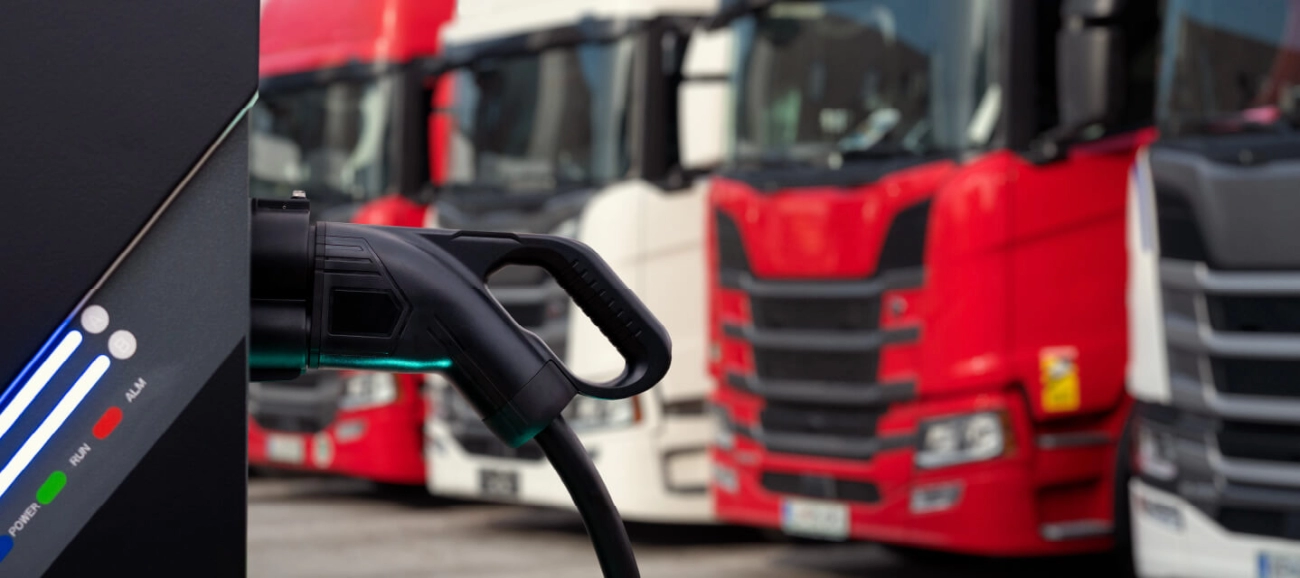
To get the most out of your EV battery pack, following some key charging and maintenance practices is essential. Proper charging best practices help preserve battery health and extend both range and lifecycle:
- Avoid frequent fast charging unless necessary; this reduces heat buildup that speeds up battery degradation.
- Charge your EV between 20% and 80% state of charge for daily use to protect cycle life.
- Keep your vehicle plugged in during extreme temperatures to help the battery management system maintain optimal battery temperature.
Driving habits also play a big role in EV range optimization and battery longevity:
- Smooth acceleration and moderate speeds use less energy and generate less heat.
- Minimize harsh braking by coasting when possible to reduce unnecessary energy loss.
- Avoid carrying excessive weight as it increases energy consumption and battery strain.
Maintenance and regular monitoring are key to maintaining state of health (SOH) and battery consistency:
- Schedule routine check-ups to ensure the battery management system (BMS) is functioning properly and balancing cell voltages.
- Use diagnostic tools or onboard monitoring features to track battery health and catch early signs of degradation.
- Pay attention to software updates from the manufacturer that can improve battery management and performance.
By combining smart charging, careful driving, and regular monitoring, you can keep your battery pack performing at its best for thousands of miles. For deeper insight into what drains your EV battery faster, check out 10 things that kill your EV battery faster, which offers practical advice to extend your battery’s life even further.
FAQs: Common Questions on Range Extension and Battery Lifecycle
How do high-quality battery packs extend my EV’s driving range?
Premium EV battery pack design boosts energy density and uses advanced cell-to-pack (CTP) and cell-to-chassis (CTC) integration techniques. This means more usable power without adding weight, helping you get 300+ miles or more on a single charge.
What is a realistic lifecycle for a high-quality battery pack?
Top-tier batteries can often achieve over 2,000 charge cycles while maintaining strong capacity. This is thanks to superior cell quality, balanced battery management system (BMS) algorithms, and effective thermal management that reduce degradation over time.
How important is battery state of health (SOH) monitoring?
SOH monitoring is crucial. It tracks the battery’s current condition and helps optimize cycle life by managing charge, temperature, and balancing cells—preventing premature wear and ensuring consistent performance.
Are fast charging and long battery life compatible?
Yes, with high-quality lithium-ion cells and intelligent BMS, fast charging is balanced with longevity. Advanced thermal control and protective algorithms prevent damage during rapid charging, which is especially beneficial for commercial and fleet EVs.
What safety standards should I look for in an EV battery pack?
Look for compliance with global EV battery safety standards like UN 38.3, IEC 62660, ISO 6469, UL 2580, and GB/T. These ensure your battery pack has built-in safeguards against thermal runaway, overcharge, and mechanical stress, boosting reliability and range retention.
How can I maintain my EV battery pack for the best range and lifespan?
- Charge regularly but avoid full 0-100% cycles daily
- Keep your EV battery between 20-80% charge when possible
- Avoid extreme temperatures by parking in shade or climate-controlled areas
- Use recommended charging equipment and follow the manufacturer’s guidance
For more insights on choosing the right battery pack and optimizing your EV’s efficiency, visit LEAPENERGY’s guide on the top 10 questions to choose EV battery pack.
 English
  German
  Chinese
  Spanish