
Core Elements of Battery Pack Design
When it comes to EV battery pack design, several core elements play crucial roles in determining both range and charging performance. Understanding these basics can help you see how design choices impact your vehicle’s real-world use.
Battery Cell Chemistry and Energy Density
The heart of any battery pack is its cells. Common lithium-ion chemistries like NMC (Nickel Manganese Cobalt) and LFP (Lithium Iron Phosphate) differ significantly in energy density and stability:
- NMC packs offer higher energy density (Wh/kg), meaning more stored power in less weight, which supports longer EV battery energy density and extended driving ranges.
- LFP cells have lower energy density but excel in thermal stability and safety, which influences longevity and fast-charging tolerance.
Pack Architecture: Series vs. Parallel and Design Types
How cells are arranged inside the pack affects voltage, capacity, and fault management:
- Series configurations increase voltage, enhancing power delivery.
- Parallel connections boost capacity, supporting longer range.
- The rise of cell-to-pack designs (directly integrating cells into the pack) reduces weight and space compared to traditional modular arrangements, improving battery pack weight and efficiency.
Voltage Platforms: 400V vs. 800V Systems
Voltage architecture is critical for power output and charging speed:
- 400V systems remain standard in many EVs, balancing complexity and cost.
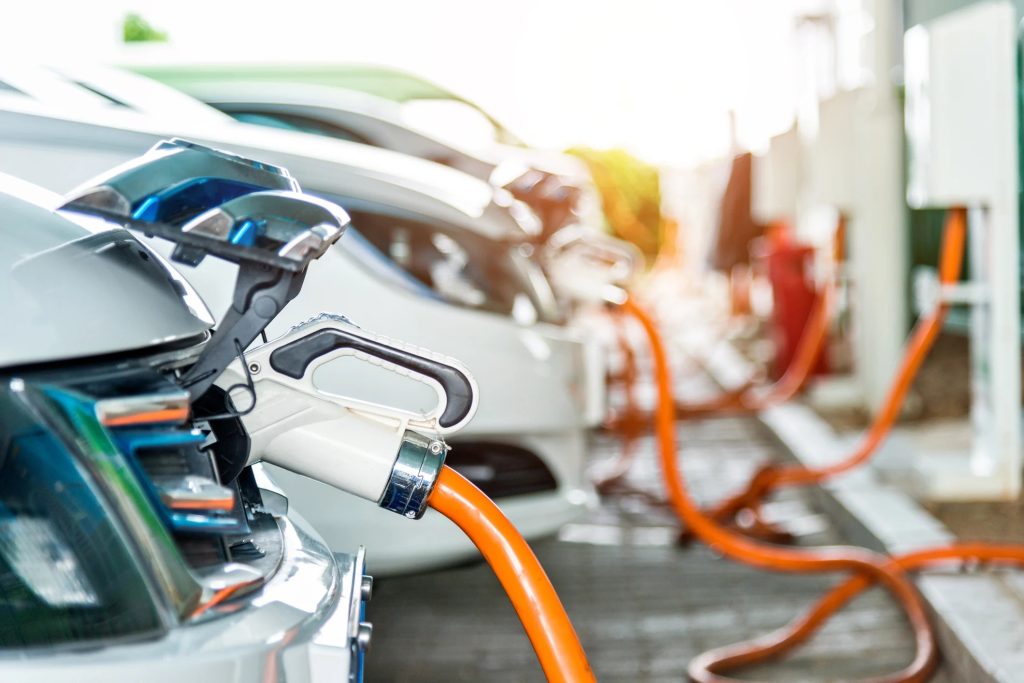
- 800V platforms allow higher power transfer while lowering current, enabling faster DC fast charging (>350kW) with less heat generation—a key factor in supporting ultra-fast sessions.
Pack Integration: Structure, Weight, and Space
The way the battery pack fits into the vehicle structure impacts overall efficiency:
- Structural integration helps improve vehicle rigidity and safety.
- Optimizing pack weight and volume frees up room and lowers vehicle mass, directly benefiting EV range factors and handling.
- Advanced cooling channels and protective layers aid in battery thermal management systems, maintaining performance under various conditions.
Together, these design choices form the foundation that influences an EV’s driving range and charging capabilities. Properly balancing these elements is essential for delivering a battery pack that meets real-world needs.
How Design Drives EV Driving Range
The battery pack design plays a huge role in how far an EV can go on a single charge. First off, energy density and usable capacity matter a lot. By squeezing more energy into a lighter pack, manufacturers can extend real-world driving range without adding extra weight that drags efficiency down. This means focusing on high EV battery energy density materials and smart packaging.
Weight reduction is key, too. Using lightweight materials and tight, efficient pack layouts lowers the vehicle’s overall mass, directly improving efficiency measured in Wh/km. Less weight means less energy spent moving the car, so even a modest bump in pack design can have a noticeable effect on range.
Cell balancing and a precise battery management system (BMS) help maximize usable capacity by minimizing energy losses caused by cell imbalances. Keeping all cells working at their best ensures the pack delivers close to its full potential mileage consistently.
Thermal management is another huge factor. A solid battery thermal management system prevents the pack from derating—losing performance—in extreme heat or cold, which can otherwise shave miles off your range. Consistent temperature control means the battery performs reliably no matter the weather or driving conditions.
Finally, there are efficiency trade-offs to consider. The battery pack’s size, shape, and weight influence the car’s aerodynamics and rolling resistance. A more compact, well-integrated pack means less drag and better tire contact, which adds up to improved range on the road.
For more on these design choices, check out how battery packs boost EV range and lifespan.
How Design Enables Faster Charging Speeds
Battery pack design plays a key role in how quickly an EV can recharge. Higher-voltage systems, like 800V platforms, reduce the current needed to deliver the same power, enabling ultra-fast charging speeds over 350kW with less heat buildup. This means the pack can handle rapid charging without stressing the cells as much.
A strong battery thermal management system is essential too. Active cooling and heating keep cells at optimal temperatures during high-power charging, preventing the performance drop that comes from overheating or cold conditions. Without this, charging speeds would slow down to protect the battery.
At the cell level, chemistry and electrode design matter for fast-charge tolerance. Some lithium-ion formulas and advanced electrode setups allow higher C-rates—how fast the battery charges relative to its capacity—without causing lithium plating or speeding up degradation. This balance preserves the battery’s lifespan while delivering quick top-ups.
Charging curve optimization also helps. A well-designed pack architecture sustains peak charging rates longer, often maintaining a flat high-power curve up to around 80% state of charge (SoC) before tapering off. This saves significant time during typical charging sessions.
Finally, smart battery management systems (BMS) enable preconditioning, warming or cooling the pack ahead of charging. This preparation supports ultra-fast sessions right from the start, improving speed and safety.
Together, these design features in voltage architecture, thermal management, cell chemistry, and smart controls enable faster charging without sacrificing battery health or safety. For insights on how advanced BMS designs enhance EV battery safety and performance, check out how BDU integrates with BMS technology.
Key Trade-Offs and Real-World Considerations
When designing an EV battery pack, it’s all about balancing range and charging speed. Larger battery packs naturally provide more range but add weight, which can actually reduce overall efficiency and sometimes limit the maximum fast-charge rate because of increased heat generation. So, bigger isn’t always better when fast charging is a priority.
Degradation is another big factor. Frequent fast charging generates heat, which accelerates battery aging. Smart design choices, like improved battery thermal management systems and advanced battery management systems (BMS), help reduce this heat-related wear, extending battery lifespan and maintaining performance over time.
Real-world conditions play a significant role too. Cold weather, high altitude, and different driving habits affect how the battery performs and charges. For example:
- Cold temperatures can reduce usable capacity and slow charging speeds
- High altitude impacts cooling efficiency and power delivery
- Aggressive driving increases energy demands, stressing the pack
All these factors link back to battery pack design, meaning packs must be engineered for diverse environments.
Safety and longevity can’t be overlooked either. Robust thermal runaway prevention and well-managed cycle life are essential, especially in high-performance packs that push fast charging and extended range. Advanced safety features embedded in modern battery packs protect both the vehicle and passengers while maintaining long-term reliability. For deeper insights into these safety considerations, check out the detailed overview of key safety features in EV battery packs.
Balancing these trade-offs ensures your EV pack delivers real-world range, quick charging, and lasting durability tailored to the demands of U.S. drivers.
Emerging Trends in Battery Pack Design
Battery pack design is evolving fast, with clear trends shaping the future of EV range and charging speed. One major advance is the move toward cell-to-pack (CTP) and structural battery designs. These approaches ditch traditional modules to pack cells more densely, cutting weight and boosting energy density. This means longer driving range and quicker charging with fewer physical restrictions. LEAPENERGY, for example, leads the charge in these innovations, optimizing battery integration for both performance and space-saving—key to meeting U.S. consumers’ demands for efficiency and convenience. You can see more on these designs at our detailed electric battery pack guide.
High-voltage platforms, particularly 800V+ systems, are rapidly becoming the norm. These systems lower current for the same power output, reducing heat and enabling ultra-fast charging rates above 350kW. That means less waiting time and better battery health during frequent DC fast charging sessions. Such high-voltage architectures are crucial for next-gen EVs striving to bridge the gap between range and quick turnaround times on the road.
Next, cutting-edge chemistries like solid-state batteries promise to elevate both range and charging speed simultaneously. Solid-state tech offers higher energy density with improved safety and longer lifespan, tackling many limitations of traditional lithium-ion cells. While still emerging, this chemistry could revolutionize EV battery packs by providing greater usable capacity without adding bulk or overheating risks.
LEAPENERGY continues to innovate across these fronts, balancing breakthroughs in cell chemistry, pack structure, and voltage systems. Their work focuses on creating battery packs that deliver the best combination of EV battery energy density, fast charging capability, and safety, satisfying the practical needs of drivers across varying climates and driving habits. For a deeper dive into how these innovations improve battery safety and diagnostics, check out LEAPENERGY’s EV battery system architecture resource.
In short, the future of battery pack design is smart, integrated, and fast—paving the way for EVs that go farther and charge quicker with fewer trade-offs.
 English
  German
  Chinese
  Spanish