
Why Thermal Management Matters in EV Batteries
EV batteries generate heat during charge and discharge cycles because chemical reactions inside the lithium-ion cells produce energy—and some of that energy turns into heat. Maintaining the battery within an optimal temperature range, typically between 20°C and 40°C (68°F to 104°F), is crucial for safe and efficient operation. If the battery gets too hot, it risks thermal runaway—a dangerous chain reaction that can cause fires or permanent damage. On the other hand, overcooling the battery can reduce capacity and increase internal resistance, leading to slower performance and less efficiency.
Poor EV battery temperature control impacts more than just safety. It directly affects real-world driving range, charging speed, and overall battery lifespan. For example:
- Overheating during fast charging can force the system to slow down to prevent damage, increasing charging time.
- Excessive heat accelerates battery degradation, shortening the total usable life.
- Cold temperatures reduce battery efficiency and range by increasing internal resistance.
- Uneven temperature distribution can cause individual cells to age faster, decreasing pack reliability.
That’s why a solid battery thermal management system—whether air-cooled or liquid-cooled—is vital to keep temperatures balanced, protect battery health, and ensure consistent EV performance on the road. Proper thermal management leads to better battery capacity retention, faster charging capabilities, safer operation, and longer-lasting batteries overall.
Overview of Air Cooling Systems
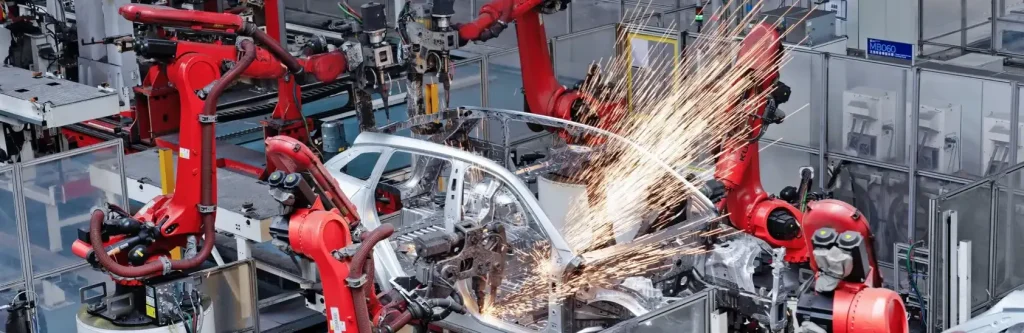
Air cooling systems for EV batteries come in two main types: passive and active. Passive cooling relies on natural convection or using cabin air to remove heat without extra energy consumption. Active air cooling, on the other hand, uses forced fans to move air across the battery pack, improving heat dissipation when needed.
These systems are popular for their design simplicity, lightweight construction, and lower complexity compared to liquid cooling. Because they don’t require pumps or coolant, air cooled EV batteries tend to be easier to maintain and cheaper to produce.
Some well-known examples of air cooled EVs include the early Nissan Leaf and the Volkswagen e-Golf. These models use air cooling methods that balance cost and adequate thermal management for milder driving conditions, though they have limits in high-performance or fast-charging scenarios.
For anyone interested in exploring how air and liquid cooling compare or considering hybrid systems for better efficiency, resources like LEAPENERGY’s detailed guide provide valuable insights into advanced battery thermal management solutions.
Advantages and Disadvantages of Air Cooling
Air cooling in EV battery thermal management systems offers some clear benefits. Its advantages include:
- Lower cost due to simpler materials and construction
- Reduced weight, helping improve overall vehicle efficiency
- Simpler maintenance since there are no fluids or pumps to manage
- No risk of leaks, making it safer and more straightforward in everyday use
However, air cooling also has some notable disadvantages:
- Limited heat transfer capability, which can struggle during intense charge/discharge cycles
- Poor performance in high-temperature conditions, especially in hot climates or under fast charging
- Uneven temperature distribution across battery cells, which can cause faster degradation in hot spots
- Higher parasitic energy consumption due to fans or blowers running constantly to move air
Because of these factors, air cooled EV batteries often fit budget-friendly or mild climate vehicles but face challenges meeting demands for fast charging and extended range. This makes understanding air cooling’s trade-offs crucial for EV owners focused on battery longevity and performance.
Overview of Liquid Cooling Systems
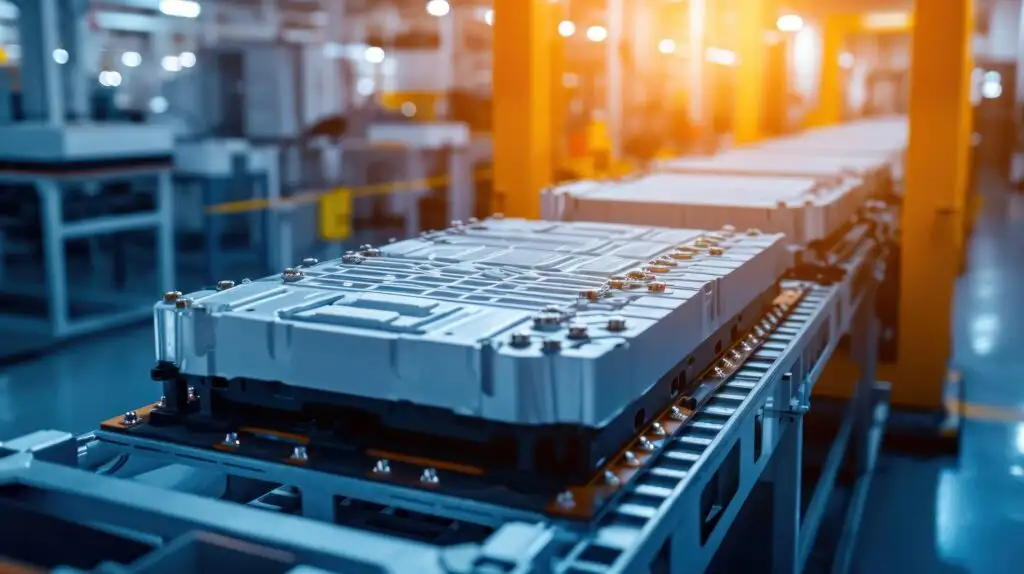
Liquid cooling systems are a popular choice for managing EV battery temperatures due to their efficiency and precision. These systems generally come in two main types: indirect and direct cooling. Indirect liquid cooling uses coolant circulated through plates or built-in channels adjacent to the battery cells, absorbing heat and moving it away efficiently. Direct or immersion cooling takes this a step further by submerging cells directly in a dielectric coolant for maximum heat transfer.
Key components in a liquid cooled battery pack include pumps to circulate the coolant, radiators to disperse the absorbed heat, and cold plates that sit against battery modules for optimal contact. This setup allows precise temperature control, which is crucial for maintaining battery performance and safety.
Liquid cooling is widely used in modern EVs with larger or high-performance battery packs. Tesla, BMW i3, and many other premium or long-range electric vehicles utilize these advanced thermal management systems to enable faster charging rates, better battery lifespan, and consistent performance under demanding conditions. For those interested in deeper battery system design and diagnostics, exploring advanced thermal management strategies in EV battery systems provides valuable insights.
Advantages and Disadvantages of Liquid Cooling
Liquid cooling offers superior heat transfer compared to air cooled EV batteries, enabling much better temperature control throughout the battery pack. This means more uniform battery module temperature, which reduces hotspots and supports fast charging and high power output without overheating. The result is improved energy efficiency and a longer-lasting battery life, critical factors for drivers who expect strong performance and durability in modern EVs.
However, this comes with trade-offs. Liquid cooling systems are more complex and costly due to the need for pumps, radiators, and coolant channels. This added hardware increases the overall weight and requires more intricate integration within the vehicle design. Plus, maintenance can be more demanding — leaks or corrosion in the liquid cooling loop pose risks not seen with simpler air cooling systems. While liquid cooled battery packs excel in performance and safety, their complexity and price make them better suited for premium and high-performance EVs rather than budget models.
For those interested in how advanced thermal management can also cut manufacturing costs and improve EV range, exploring battery pack integration strategies reveals how design plays a key role in optimizing these systems.
Head-to-Head Comparison: Air Cooling vs Liquid Cooling for EV Batteries
To help you see the differences clearly, here’s a quick comparison table between air cooling and liquid cooling systems for EV battery thermal management:
| Factor | Air Cooling | Liquid Cooling |
|---|---|---|
| Cooling Efficiency | Moderate heat dissipation, limited in high load or hot conditions | High heat transfer, excels in heavy use and fast charging |
| Temperature Uniformity | Uneven temperature distribution risks hotspots | Maintains uniform battery module temperature for better safety |
| Parasitic Power Consumption | Requires fans, increases energy use moderately | Pumps and coolant circulation use more power but are efficient overall |
| Fast Charging Suitability | Less ideal due to lower heat dissipation | Supports fast charging by quickly removing heat |
| Weight and Packaging Impact | Lightweight, simpler packaging | Adds weight and requires more complex packaging |
| Cost (Initial & Lifetime) | Lower upfront cost and easier maintenance | Higher initial cost, potential maintenance due to leaks or corrosion |
| Performance in Extreme Climates | Struggles in very hot or cold conditions | Performs reliably in a wider range of climates impact of climate conditions on EV battery performance |
| Battery Lifespan & Degradation | Greater risk of accelerated aging from uneven cooling | Extends battery life with stable temperatures and reduced degradation |
| Safety & Thermal Runaway Risk | Higher risk due to hotspots and slower heat removal | Lower risk with better thermal control and faster heat dissipation |
In , air cooling is simpler and cheaper but less effective for high-demand and fast-charging scenarios. Meanwhile, liquid cooling offers superior thermal management, especially important for high-performance or long-range EVs, which can lead to safer and more durable battery packs. This detailed comparison helps when choosing the best EV battery cooling method to optimize both performance and safety.
Real-World Applications and Industry Trends in EV Battery Thermal Management
When it comes to EV battery cooling methods, liquid cooling systems are increasingly favored in premium and high-performance electric vehicles that use large battery packs. Brands like Tesla and BMW rely on liquid cooled battery packs to deliver better temperature uniformity and fast charging capabilities, critical for drivers who demand power and efficiency. This system supports enhanced battery lifespan and performance even under intense use and extreme climate conditions.
On the other hand, air cooled EV batteries remain common in budget-friendly EVs and models intended for milder climates. These simpler, lighter systems fit well with vehicles like early Nissan Leafs, providing adequate heat dissipation without pushing costs or complexity.
The industry is also seeing more hybrid and innovative thermal management approaches—combining air and liquid cooling or employing new materials and designs—to optimize battery pack heat dissipation based on driving patterns and environmental factors. These emerging solutions aim to balance efficiency, safety, and cost-effectiveness to meet diverse consumer needs.
For a deeper dive into the latest EV battery pack technologies and how thermal systems integrate, check out this detailed EV battery pack guide, offering insights on trends shaping the future of electric mobility.
How LEAPENERGY Optimizes Battery Thermal Management
LEAPENERGY stands out as a leader in advanced liquid-cooled battery packs, expertly balancing efficiency, safety, and durability. With proprietary designs focused on achieving uniform cooling across battery modules, LEAPENERGY minimizes energy loss and prevents uneven temperature distribution—key factors in enhancing battery lifespan and performance. Their state-of-the-art battery thermal management system supports faster charging speeds and extends EV range by maintaining optimal lithium-ion battery temperatures even under demanding conditions.
By integrating precision coolant pathways and smart thermal controls, LEAPENERGY ensures reliable EV operation and reduces risks related to thermal runaway. For U.S. drivers looking for dependable, long-lasting batteries, their solutions provide a solid boost in both safety and efficiency without compromising on weight or complexity. Explore how their custom battery packs contribute to longer EV range and lifespan through advanced thermal strategies, including innovative liquid cooling techniques designed for today’s high-performance electric vehicles.
For more on their advanced battery packaging and safety features, check out LEAPENERGY’s approach to designing durable automotive-grade battery packs for long-term reliability and how their battery management systems enhance EV safety.
 English
  German
  Chinese
  Spanish