
Current Global Regulatory Landscape for EV Battery Packs
The global regulatory environment for EV battery packs is shaped by several key international safety and performance standards that ensure battery reliability, safety, and environmental compliance. Some of the most important standards include:
- UN 38.3: This standard focuses on lithium-ion battery transport safety, requiring rigorous testing to prevent hazards during shipping.
- UN ECE R100: Regulates electric vehicle safety, covering aspects like battery integrity, crash resilience, and electrical safety.
- IEC 62660: Specifies performance and safety tests for lithium-ion batteries used in electric passenger vehicles, including cycle life and abuse tolerance.
- ISO 6469: Addresses safety specifications for electric propulsion vehicles, ensuring protection against electrical shock and fire risks.
These international standards act as a baseline, but regional differences impact how battery packs are designed and manufactured. For example:
- In Asia, safety protocols and thermal management designs frequently align with UN 38.3 and local adaptations.
- Europe pushes stricter sustainability measures combined with safety.
- North America emphasizes durable battery packs with strong safety and warranty regulations.
Understanding these regional variations is crucial for manufacturers aiming to develop battery packs that not only meet international EV battery safety standards but also comply with specific local rules. This multi-layered regulatory landscape drives innovation but also challenges companies to tailor their designs for diverse markets worldwide.
Major Regional Regulations and Standards
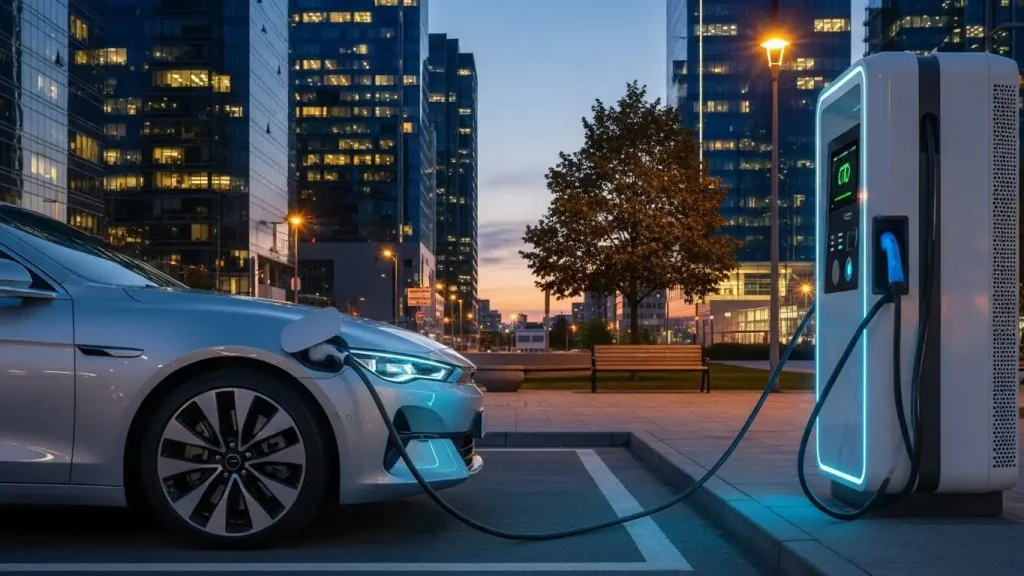
Different regions have their unique rules shaping EV battery pack design and safety. In China, strict safety mandates dominate, including the GB/T standards and the new GB 38031-2026 rule that requires zero thermal propagation to prevent battery fires. These regulations push manufacturers to focus heavily on thermal runaway prevention and robust battery pack integration.
The European Union leans strongly into sustainability, requiring recycled content in batteries and clear carbon footprint declarations. Their EU Battery Regulation 2026/1542 also introduces digital battery passports, tracking a battery’s origin and lifecycle to boost transparency and promote recycling.
In the United States, the spotlight is on durability and safety, with standards like UL 2580 and FMVSS guiding battery pack testing and vehicle compliance. Federal incentives through EPA and IRA tax credits encourage cleaner and longer-lasting batteries, while various state-level warranty rules add layers of consumer protection.
Manufacturers must navigate these regional differences carefully, balancing compliance with innovation and efficiency. For an in-depth look at the safety features essential for compliance across markets, check out our detailed key safety features in EV battery packs. This resource highlights how advanced battery management systems support meeting these rigorous standards.
Emerging Trends Shaping Future EV Battery Packs

The future of EV battery packs is being driven by several key trends that address safety, performance, and sustainability. Thermal runaway prevention and rigorous abuse tolerance testing are becoming standard to reduce fire risks and improve overall battery safety. To boost energy density while cutting weight, manufacturers are adopting integration technologies like cell-to-pack (CTP) and cell-to-chassis (CTC) designs, which simplify battery pack architecture and improve vehicle efficiency.
Sustainability is another major focus. New regulations increasingly mandate the use of recycled materials and stricter end-of-life battery recycling protocols to reduce environmental impact. This goes hand in hand with performance improvements, such as longer cycle life, faster charging capabilities, and better EV range optimization to meet consumer demands.
At the same time, global efforts toward harmonizing EV battery safety and recycling standards continue, though regional differences remain significant. Navigating this patchwork requires agile design strategies that balance compliance with innovation, especially for U.S. manufacturers focused on meeting domestic durability and safety standards while preparing for international markets.
For a deeper dive into how integration technologies shape battery design, explore our detailed guide on module-to-pack integrated EV battery systems. This resource explains how these advances contribute to lightweight, high-performance battery packs tuned for future needs.
Impact on Battery Pack Design and Innovation
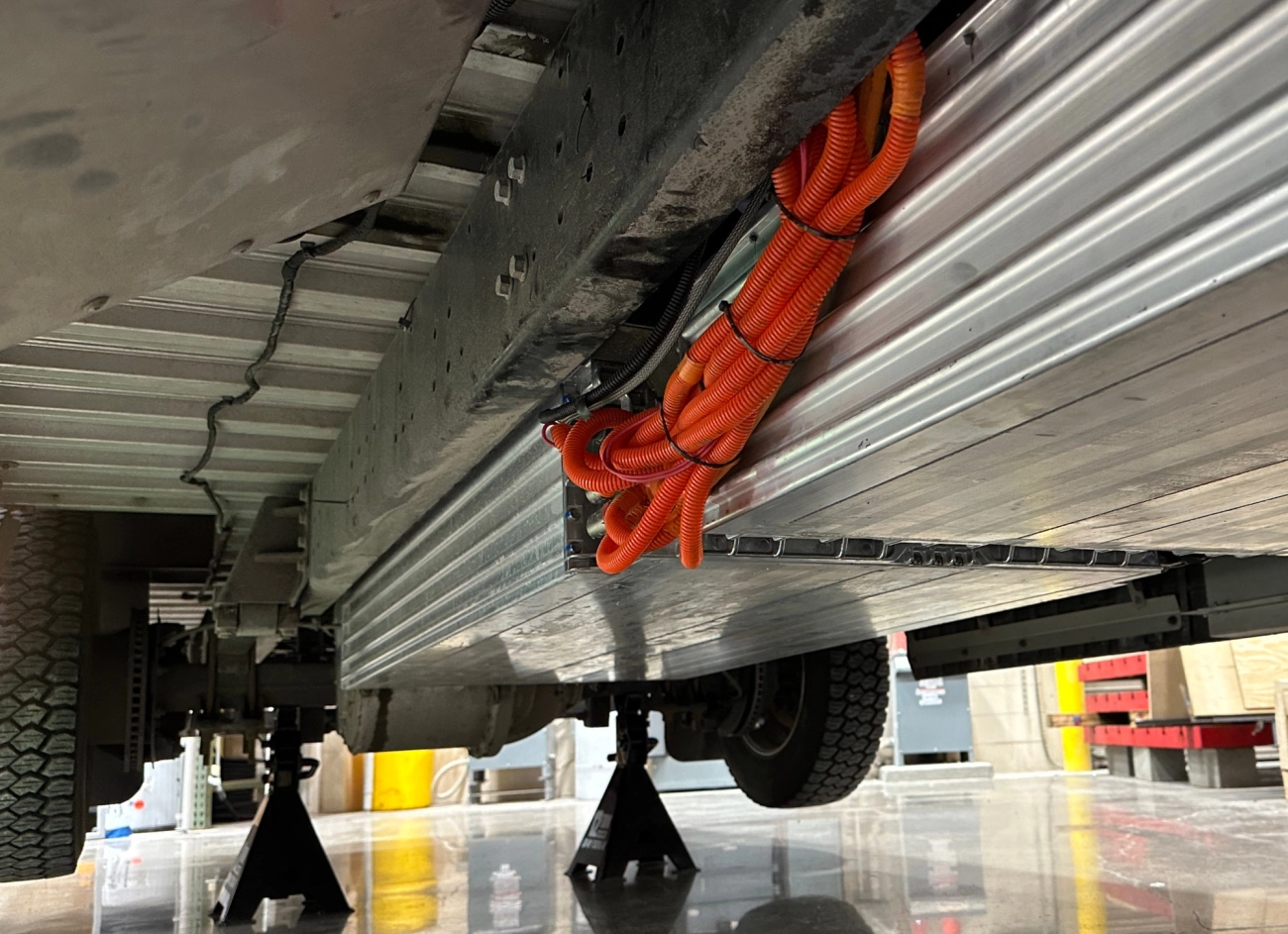
Regulations and standards are driving big changes in how EV battery packs are designed. To meet safety and performance rules, manufacturers are turning to high-quality lithium-ion cells paired with advanced battery management systems (BMS). These systems monitor battery consistency, balancing, and battery degradation mechanisms to ensure durability and safety throughout the pack’s life.
Designers must also find a balance between maximizing energy density and ensuring passenger and commercial vehicle safety. This means careful materials selection and innovative battery architecture that can handle thermal runaway prevention while maintaining lightweight pack design.
Heavy-duty and fleet EV applications offer unique opportunities here. These vehicles demand fast charging capabilities, long cycle life, and durable packs built for rigorous use. LEAPENERGY has been at the forefront by integrating global EV battery safety standards into their battery pack packaging, delivering lightweight, high-performance solutions that comply with international and regional requirements.
For a deeper dive into how these innovations align with evolving regulations in different markets, you can explore LEAPENERGY’s insights on EV battery packs in China, the USA, and Japan and their expertise in 400V vs 800V EV battery pack platforms.
Challenges and Opportunities for Manufacturers
EV battery pack manufacturers today face a delicate balancing act. On one hand, complying with evolving regulations like recycled content mandates and safety standards drives up costs. On the other, these same rules create strong incentives for innovation in battery design and materials. Companies must find ways to stay competitive while meeting strict EV battery safety standards and battery pack recycling regulations.
Supply chains are shifting rapidly toward recycled and responsibly sourced materials, reflecting both regulatory pressure and consumer demand. This transition impacts everything from raw material sourcing to end-of-life battery management. Manufacturers investing in circular economy solutions can not only reduce costs over time but also strengthen brand value through sustainability.
Looking ahead, emerging technologies like solid-state batteries promise breakthroughs in energy density, safety, and durability. At the same time, repurposing used EV batteries for second-life usage in stationary storage or lighter vehicles presents new revenue streams, helping to maximize lifecycle value. As global regulatory alignment slowly improves, it will be easier for manufacturers to scale innovations across markets while navigating regional differences.
For more insights on how leading companies address these challenges, check out top EV battery pack manufacturers in the United States and China. These firms are setting the pace in integrating recycled content and advanced battery management systems while pushing the boundaries of design and performance.
 English
  German
  Chinese
  Spanish