
The Strategic Guide to Selecting a Premier EV Battery Pack Manufacturer
Selecting the right EV battery pack manufacturer is crucial for ensuring performance, safety, and longevity in electric vehicles. As engineers and procurement leaders, we face the challenge of balancing cost, reliability, and cutting-edge technology. Understanding the critical evaluation criteria helps streamline this decision and secures a solid foundation for your EV powertrain integration.
Critical Criteria for Evaluating Battery Pack Manufacturers
Focus on these core factors to identify a partner capable of delivering quality, compliance, and scalability:
- Engineering & Design Capabilities (ODM/OEM):Look for manufacturers offering strong original design manufacturing (ODM) and original equipment manufacturer (OEM) services, including prototype development and customization to fit unique vehicle architectures.
- Battery Management System (BMS) Sophistication:A state-of-the-art BMS is essential for efficient SoC (state of charge) and SoH (state of health) monitoring, balancing cell performance, and preventing overcharge or deep discharge. Custom BMS design tailored to your specifications can optimize energy density and extend pack life.
- Thermal Management Technologies:Effective thermal management mitigates risks like thermal runaway and performance degradation, enabling stable operation under various conditions. Look for advanced cooling solutions integrated at module-to-pack levels to maintain optimal temperatures across the battery pack.
By prioritizing manufacturers with robust engineering and design expertise, advanced BMS, and proven thermal solutions, you address primary pain points such as range anxiety, safety concerns, and integration challenges — essential in today’s competitive EV market.
Cell Chemistry and Selection Strategy: Navigating Cell Formats and Chemistry Composition
Choosing the right cell chemistry and format is critical when working with an EV battery pack manufacturer. The chemistry composition directly impacts energy density, longevity, safety, and cost.
Common Chemistries Include:
- LFP (Lithium Iron Phosphate): Known for safety and long cycle life, making it a favorite for commercial EV energy storage and applications where thermal runaway protection is a priority.
- NCM (Nickel Cobalt Manganese): Offers higher energy density, which helps optimize EV powertrain integration for better performance.
Cell Format Choices:
- Cylindrical Cells: Robust and easier for thermal management, commonly used in high-voltage battery systems.
- Prismatic Cells: More space-efficient, enabling compact pack designs suited to custom OEM battery solutions.
The right EV battery pack manufacturer will carefully balance chemistry composition and cell formats based on your vehicle’s application, energy requirements, and safety standards like ISO 26262 functional safety.
For a deep dive into how cell formats and chemistry affect battery pack design, the modular vs integrated EV battery pack guide offers valuable insights. Aligning chemistry and cell format choices with your project goals is a key step toward energy density optimization and reliable battery performance.
Manufacturing Standards and Quality Assurance: Assembly, Testing, and Certification
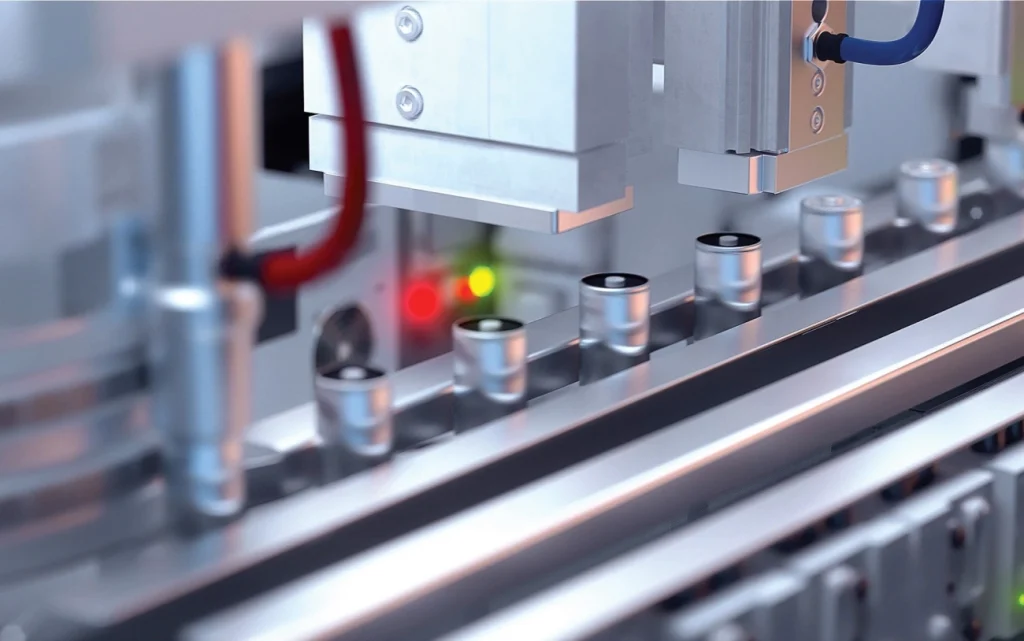
When choosing an EV battery pack manufacturer, solid manufacturing standards and quality assurance are non-negotiable. The assembly process needs precision to ensure every lithium-ion battery assembly delivers reliable performance and safety. Leading manufacturers use advanced module-to-pack technology to optimize energy density and durability while minimizing defects.
Testing is rigorous and continuous throughout the production line—covering electrical performance, thermal management, and mechanical integrity. This ensures each battery pack meets high-voltage battery system requirements without risk of thermal runaway. Certifications like UN38.3 and ISO 26262 functional safety are key markers of quality that verify compliance with international safety and transportation regulations.
For a detailed overview of EV battery pack certifications and standards that uphold safety and reliability, explore the comprehensive EV battery pack certification guide. This ensures you partner with a manufacturer who meets stringent commercial EV energy storage demands and supports supply chain resilience.
Supply Chain Stability and Scalability
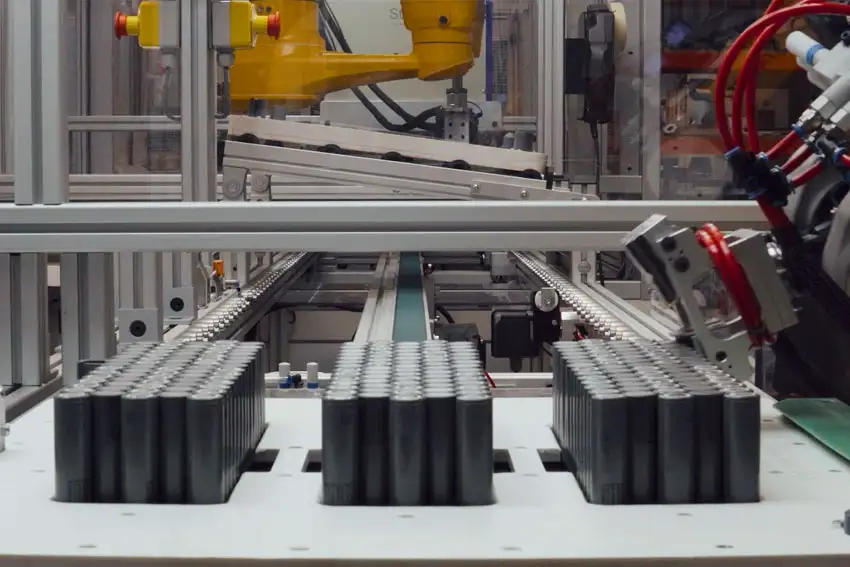
When choosing an EV battery pack manufacturer, supply chain stability is non-negotiable. Reliable access to high-quality lithium-ion battery cells and components ensures your production won’t stall due to raw material shortages or logistical hiccups. Scalability matters just as much—your partner needs the capability to ramp up battery pack production smoothly as demand grows, especially for commercial EV energy storage or high-voltage battery systems.
Look for manufacturers with proven supply chain resilience and established relationships with trusted cell suppliers. This reduces risks related to cell chemistry transitions, such as switching between LFP vs NCM chemistry, or adapting module-to-pack technology across different cell formats like cylindrical vs prismatic cells. Efficient procurement and inventory management also help maintain cost-effectiveness without sacrificing quality.
A forward-thinking EV battery pack manufacturer should be ready to support your evolving needs—from battery pack prototyping through full-scale production. You can learn more about evaluating supply chain scalability and how it impacts production growth in leading manufacturers in our detailed guide on scalability in EV battery pack production.
Why LEAPENERGY is the Partner of Choice
When it comes to selecting an EV battery pack manufacturer, LEAPENERGY stands out for several key reasons that matter most to U.S. manufacturers and businesses.
Customization First
LEAPENERGY puts custom BMS design and tailored OEM battery solutions at the forefront. They understand that every EV project is unique—from energy density optimization for specific powertrains to integrating high-voltage battery systems. Their flexible approach ensures your battery pack matches your exact requirements, whether for commercial EV energy storage or cutting-edge passenger vehicles. This customization helps improve performance and efficiency without compromise.
Safety Record
Safety is critical in EV battery packs, and LEAPENERGY’s proven track record speaks volumes. Their packs feature advanced thermal runaway protection, comply with important standards like ISO 26262 functional safety, and meet rigorous UN38.3 certification for transport safety. This focus reduces risks and gives peace of mind, especially for U.S. consumers and fleet operators prioritizing reliability and accident prevention.
R&D Focus
LEAPENERGY invests heavily in research and development, continuously advancing battery management system (BMS) sophistication, exploring better cell chemistry compositions like LFP vs NCM, and optimizing thermal management technologies. Their R&D initiatives drive innovation in battery pack prototyping and
 English
  German
  Chinese
  Spanish