
Battery Disconnect Units (BDUs) are crucial for safely managing high-voltage battery systems in electric vehicles (EVs). They act as the gateway that controls power flow, protects the battery pack, and monitors system health. Let’s break down their core components and evolution.
Core Components of BDUs
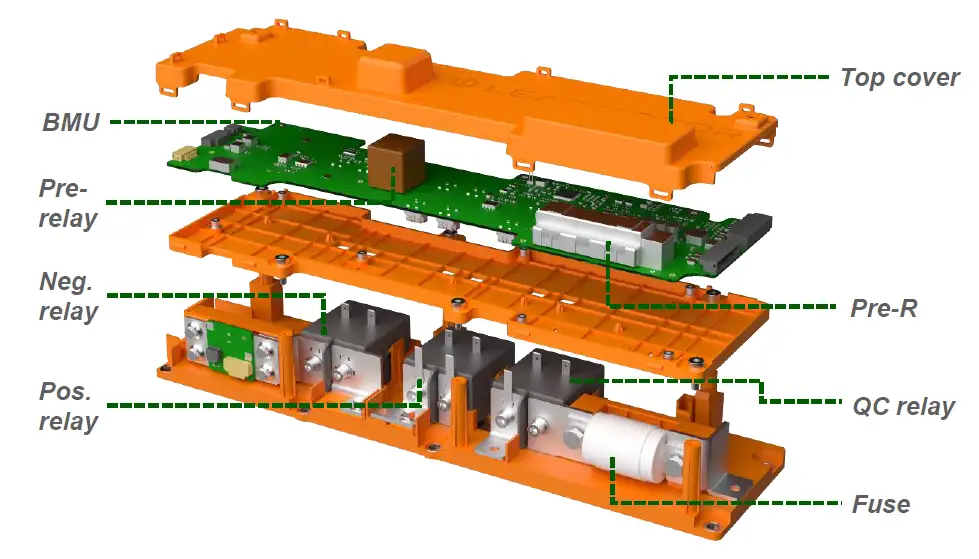
- Contactors: Heavy-duty switches that open or close circuits to connect or disconnect the battery from the EV’s electrical system.
- Fuses (including Pyro Fuses): Protect against overcurrent by breaking the circuit during faults. Pyro fuses are especially fast-acting for high-energy events.
- Relays: Electrically operated switches that help control the flow of current and isolate faulted sections.
- Sensors: Monitor voltage, current, and temperature in real-time to ensure battery safety and efficiency.
From Simple Isolators to Smart Diagnostics
BDUs started as basic manual isolators. Today’s units have evolved into smart devices with built-in IoT capabilities, allowing:
- Real-time diagnostics
- Remote monitoring
- Predictive safety alerts
This tech shift enhances fault detection and maintenance planning, improving overall EV reliability.
Centralized vs. Distributed BDUs
| Feature | Centralized BDU | Distributed BDU |
|---|---|---|
| Control Type | Single-point for entire pack | Module-level precision controls |
| Application | High-voltage systems (e.g., 400V–800V) | Cell-to-pack (CTP) architectures |
| Advantage | Simplified wiring & management | Improved fault isolation & scalability |
| Typical Use | Larger EVs, buses, & trucks | Compact passenger EVs and flexible designs |
LEAPENERGY’s Edge in BDU Integration
At LEAPENERGY, we design battery modules and packs with a sharp focus on structural optimization and space efficiency. Our BDUs are integrated seamlessly to complement these designs, enabling:
- Compact EV packaging
- Improved battery density
- Enhanced safety without compromising space
By combining advanced BDUs with our modular CTP technology, we help deliver safer, lighter, and more reliable battery systems tailored to the U.S. EV market’s needs.
Enhancing EV Safety: BDUs as the First Line of Defense
Battery Disconnect Units (BDUs) play a crucial role in keeping electric vehicles safe by acting quickly to disconnect the battery when something goes wrong. Whether it’s a collision, an overcurrent event, or a short circuit, BDUs automatically shut off power to prevent dangerous arcing and potential fires. This immediate fault response is essential for protecting both the vehicle and passengers.
BDUs work closely with Battery Management Systems (BMS) to provide advanced safety monitoring. The BMS sends real-time data about battery voltage, current, and temperature, enabling the BDU to predict and react to issues like thermal runaway or insulation failures before they escalate. This integration helps reduce the risk of battery malfunctions and boosts overall system safety.
Safety standards like ISO 6469 and UN ECE R100 guide BDU design to ensure reliable arc suppression and high-voltage interlocks. These standards require BDUs to handle high-voltage battery isolation effectively, reducing the chances of electrical faults during normal use or accidents.
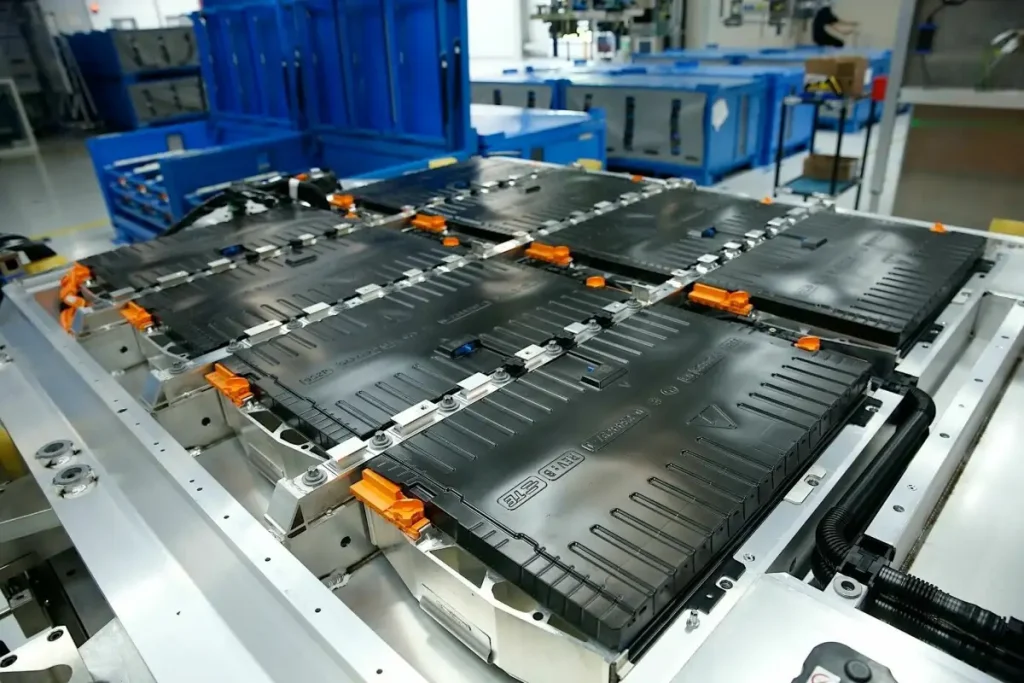
Real-world examples show how BDUs have made a difference. For instance, LEAPENERGY’s Cell-to-Pack (CTP) technology improves battery density without compromising safety. Their BDUs work seamlessly within these compact packs, providing dependable fault detection and isolation that has helped prevent hazardous events in both battery electric vehicles (BEVs) and plug-in hybrid electric vehicles (PHEVs). This combination of smart design and robust safety features is why BDUs are the first and most critical line of defense in EV battery systems.
Boosting System Reliability: Beyond Basic Protection
Battery Disconnect Units (BDUs) do more than just protect—they keep your EV running smoothly. One big win is power distribution efficiency. BDUs enable quick and seamless mode switching between driving, regenerative braking, and charging. This reduces downtime and helps extend your battery’s overall life.
In modular battery assemblies, BDUs play a key role in fault isolation at the module level. This means if one module runs into trouble, the BDU isolates it quickly to prevent cascade failures. The result? Better energy optimization and less risk of losing power across the entire pack.
Thermal management is another area where BDUs shine. They help dissipate heat during high-demand use, which works hand-in-hand with modern EV packaging layouts optimized for compactness and airflow. This reduces wear on components and keeps the battery cooler under stress.
Industry data shows that with smart BDU integration, you can see up to a 20% boost in system uptime and significant reductions in component wear. For anyone in the U.S. looking for reliable EV performance, BDUs are a key piece in the puzzle.
Technological Innovations Driving BDU Performance
Battery Disconnect Units (BDUs) are getting smarter and tougher with new tech that makes EVs safer and more reliable. Here’s what’s shaping their next generation:
Self-triggering circuit protection: Technologies similar to Breaktor help BDUs automatically cut power during faults without waiting for external signals. This quick action prevents damage and reduces fire risks.
Bidirectional pyrofuses: These advanced fuses can protect against faults from both directions, adding an extra layer of safety for complex battery setups in EVs.
AI and IoT for predictive maintenance: Integrating BDUs with smart sensors and cloud-connected systems allows real-time monitoring. Predictive diagnostics detect early signs of trouble like insulation failures or thermal issues, letting you fix problems before they escalate.
High-voltage adaptations (400V–800V): With EVs pushing faster charging and more power, BDUs now support higher voltages without compromising stability. This means quicker charging times and more efficient energy use.
At LEAPENERGY, we design BDUs that fit perfectly with our battery modules and optimized structural layouts. This integration boosts battery density, creating lighter, more compact packs that deliver strong performance without bulk.
Looking ahead, the future of BDUs includes:
- Solid-state relays for faster, more reliable switching without mechanical wear.
- Wireless monitoring to simplify pack management and increase system reliability, especially important for upcoming autonomous EVs.
These innovations ensure BDUs remain the backbone of safe, efficient EV power systems as technology advances.
Real-World Impact: BDUs in Action
The market for Battery Disconnect Units (BDUs) is booming, expected to surpass $12 billion by 2031. This growth is mainly driven by increasing EV incentives, stricter safety regulations, and the rising demand for reliable electric vehicles in the U.S. With high-voltage battery isolation becoming a must-have, BDUs are proving to be essential for both manufacturers and consumers.
In real-world use, BDUs have significantly boosted the reliability of commercial fleets and everyday EVs. For example, many operators report fewer warranty claims thanks to better fault detection systems and effective pyro fuse protection in EVs. This not only cuts down maintenance costs but also improves uptime — a big win for delivery services and ride-sharing fleets in cities where LEAPENERGY’s battery packs are widely adopted.
LEAPENERGY’s battery packs
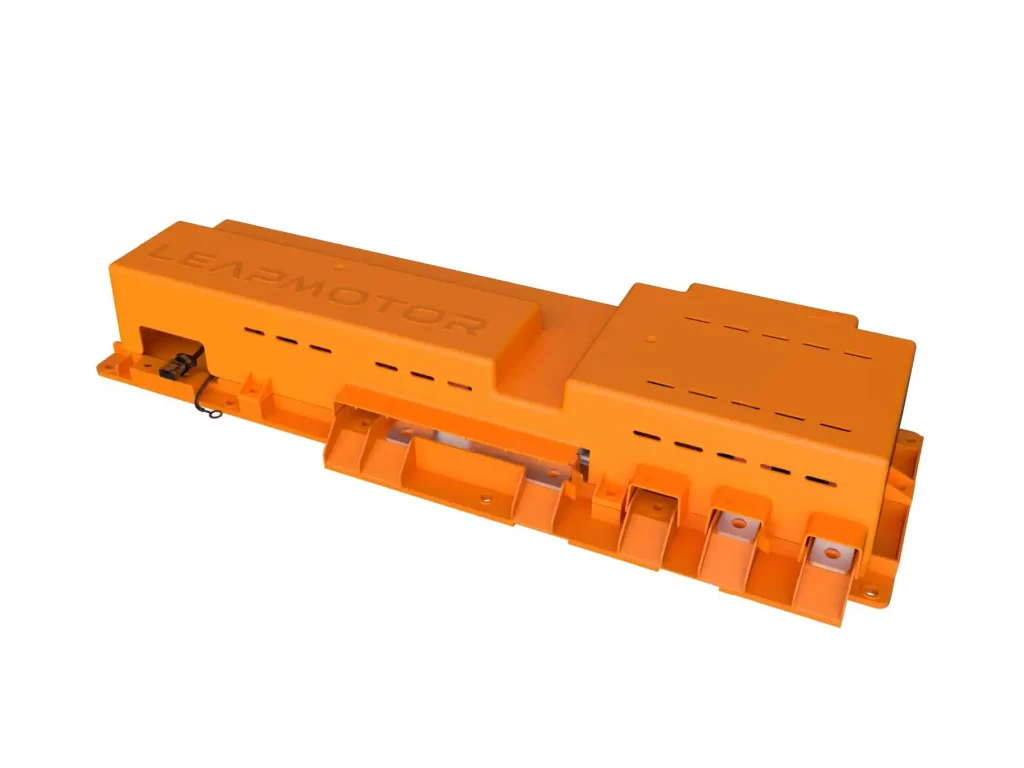
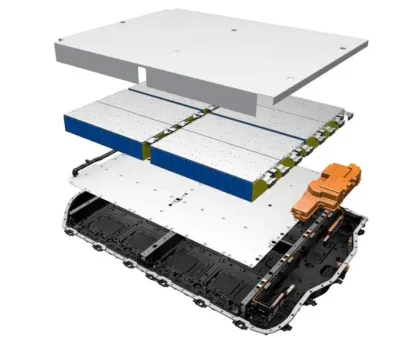
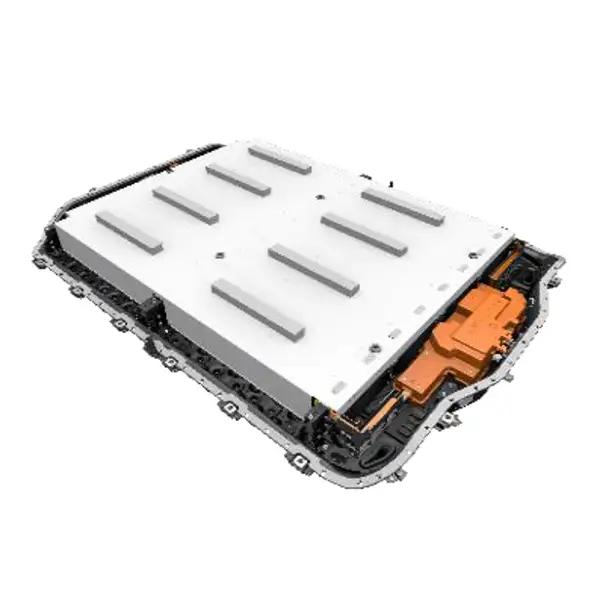
LEAPENERGY is leading the way with innovative BDU-compatible battery module designs that enhance safety without compromising on battery density. Their cell-to-pack (CTP) technology supports safer, denser battery assemblies, perfectly suited for urban delivery EVs and long-range sedans alike. These structural design optimizations paired with advanced BDUs help prevent issues like thermal runaway and contribute to cleaner, more efficient EV packaging layouts.
By integrating predictive BDU diagnostics and meeting standards like ISO 6469 for arc suppression, LEAPENERGY’s solutions set a high bar for EV safety and system reliability in the U.S. market. For those looking to build or upgrade electric fleets, partnering with a leader like LEAPENERGY means embracing proven technology that delivers both peace of mind and performance.
 English
  German
  Chinese
  Spanish