South Korea has earned a well-established position in the global EV battery supply chain. Anchored by three Tier-1 giants and supported by a growing ecosystem of specialized suppliers, Korean battery manufacturers collectively serve automakers across North America, Europe, and Asia. According to SNE Research data, South Korean companies held a combined global EV battery usage share of approximately 16% in 2024—representing significant scale even amid rising competitive pressure from Chinese counterparts.
This guide ranks the ten most influential EV battery pack manufacturers based in South Korea, examining each company’s background, product focus, and technical strengths. Whether you are a procurement engineer, EV program manager, or industry researcher, this overview provides a structured starting point for evaluating Korean battery supply partners.
1. LEAPENERGY

- Founded: 2015 (battery division of Leapmotor); became independent in 2021
- Location: Headquarters in China (Jinhua / Huzhou / Hangzhou); manufacturing and distribution network covering Europe and Southeast Asia
- Core Products: EV/REEV/PHEV battery packs (400V & 800V), commercial vehicle battery systems, Battery Management Systems (BMS), Battery Disconnect Units (BDU),
- Official Website: https://leap.hiitio.com/
- EV Battery Pack Products: https://leap.hiitio.com/ev-reev-battery-pack/
LEAPENERGY originated as the in-house battery engineering division of Leapmotor, one of China’s fastest-growing EV brands and a strategic partner of Stellantis. Following a formal spin-off in 2021, LEAPENERGY began serving external OEM customers alongside its internal vehicle programs. In April 2025, HIITIO became the company’s authorized global distributor, extending LEAPENERGY’s reach into international markets with dedicated technical support and localized service capabilities.
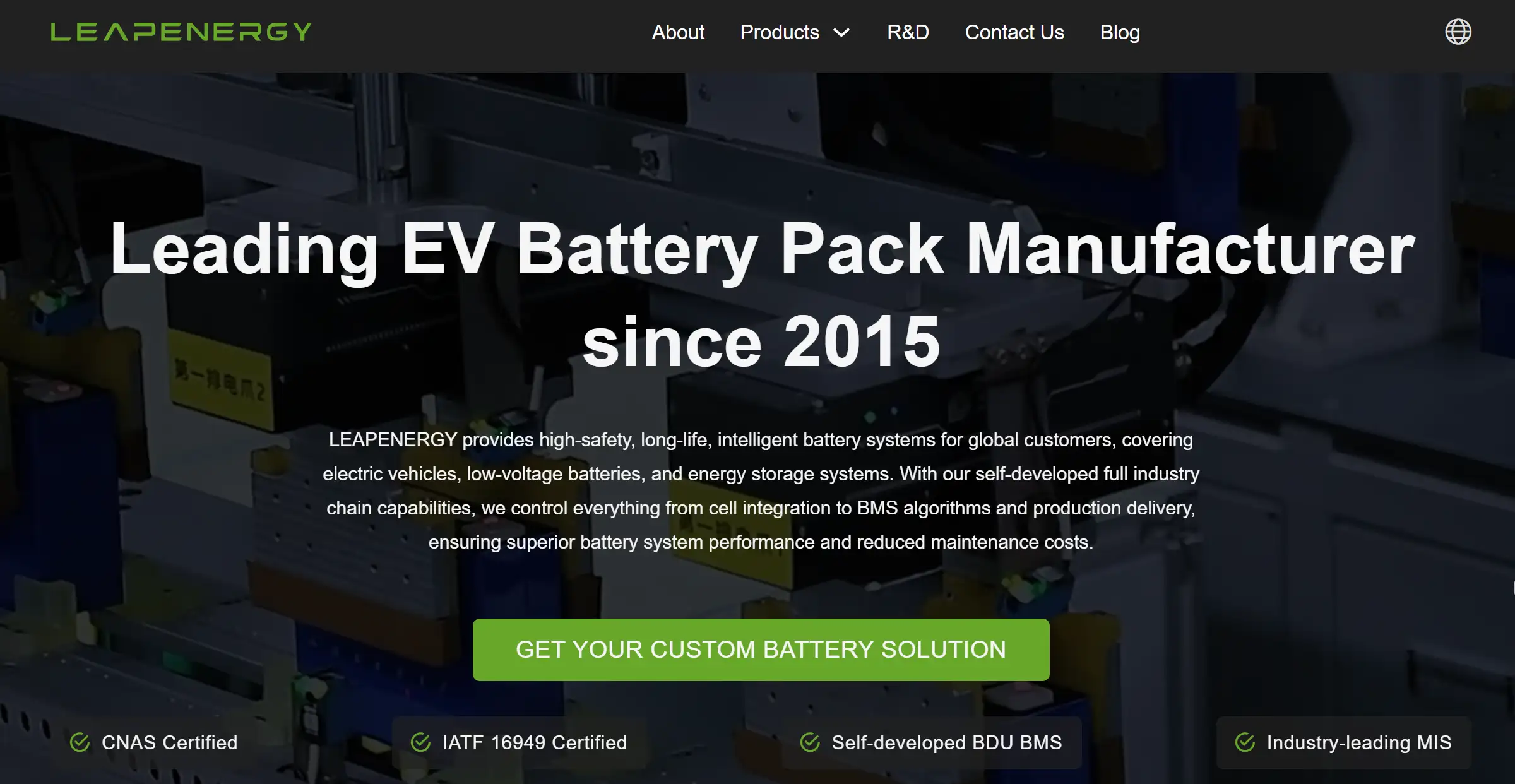
With CNAS-certified testing laboratories, 18 automated production lines featuring 100% AI-based inspection, and over 500,000 battery packs delivered by 2024, LEAPENERGY has established a strong track record in volume delivery and quality assurance. The company’s manufacturing network is currently scaling from 420,000 to 950,000 annual pack capacity, with longer-term targets exceeding 4 million units per year by 2030. LEAPENERGY holds dual certification under UL 2580 and ISO 26262—a combination that remains relatively rare among independent battery pack suppliers globally.
Advantage Products: LEAPENERGY’s flagship EV/REEV battery pack range supports both 400V and 800V platform architectures, incorporating Cell-to-Pack (CTP) and Cell-to-Chassis (CTC) structural integration. The proprietary BMS is built on AUTOSAR classic platform architecture with ASIL D functional safety rating, offering real-time monitoring, CAN/RS485 communication, and remote diagnostics. The third-generation pack design eliminates thermal propagation risk through advanced thermal management and is compatible with cells from leading suppliers including CATL, CALB, and Gotion. This cell-agnostic flexibility is a practical advantage for OEM customers managing multi-source procurement strategies.
2. LG Energy Solution
- Founded: 2020 (spun off from LG Chem; battery R&D origins trace to 1992)
- Location: Seoul, South Korea
- Core Products: Cylindrical, pouch, and prismatic lithium-ion cells; EV battery modules and packs; Battery Management Systems; Energy Storage Systems (ESS)
- Official Website: https://www.lgensol.com/en/index
LG Energy Solution (LGES) is South Korea’s largest EV battery manufacturer and consistently ranks among the top three globally by installed capacity. Formally spun off from LG Chem in December 2020, the company draws on more than three decades of lithium-ion battery development expertise. LGES supplies battery cells, modules, and pack systems to a broad roster of global automakers including General Motors, Ford, Hyundai, Stellantis, Volkswagen, and Tesla.
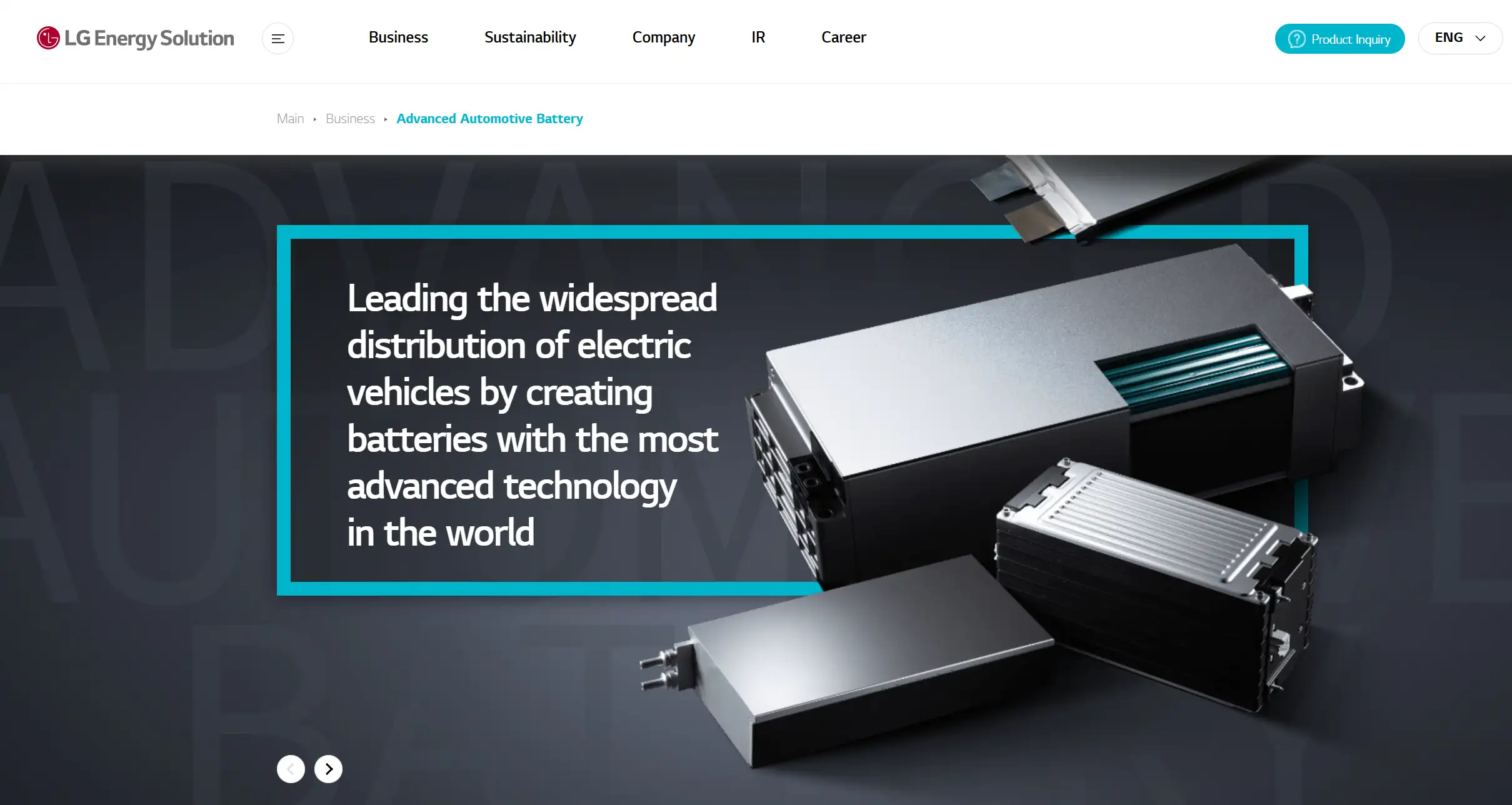
The company operates gigafactories across South Korea, the United States, Poland, China, and Indonesia, with announced capacity expansions in Canada and Arizona. In 2024, LGES recorded 96.3 GWh of installed EV battery capacity, placing it third globally according to SNE Research. The company is currently expanding its portfolio to include Lithium Iron Phosphate (LFP) cell production alongside its established high-nickel NCM lines, in response to evolving OEM demand for cost-efficient chemistries.
3. Samsung SDI
- Founded: 1970 (battery division formally expanded through the 1990s–2000s)
- Location: Gyeonggi-do, South Korea (Headquarters); global manufacturing in Hungary, China, Malaysia, and the United States
- Core Products: Prismatic lithium-ion automotive battery cells and modules; cylindrical battery cells (18650, 21700, 4680 format); small-format lithium batteries for consumer electronics; Energy Storage Systems
- Official Website: https://www.samsungsdi.com/index.html
Samsung SDI is one of South Korea’s most long-standing battery manufacturers, with origins in the broader Samsung Electronics Group dating to 1970. The company has invested heavily in automotive battery technology since the early 2010s and now supplies prismatic and cylindrical cells to automakers including BMW, Stellantis, Volkswagen, and Rivian.
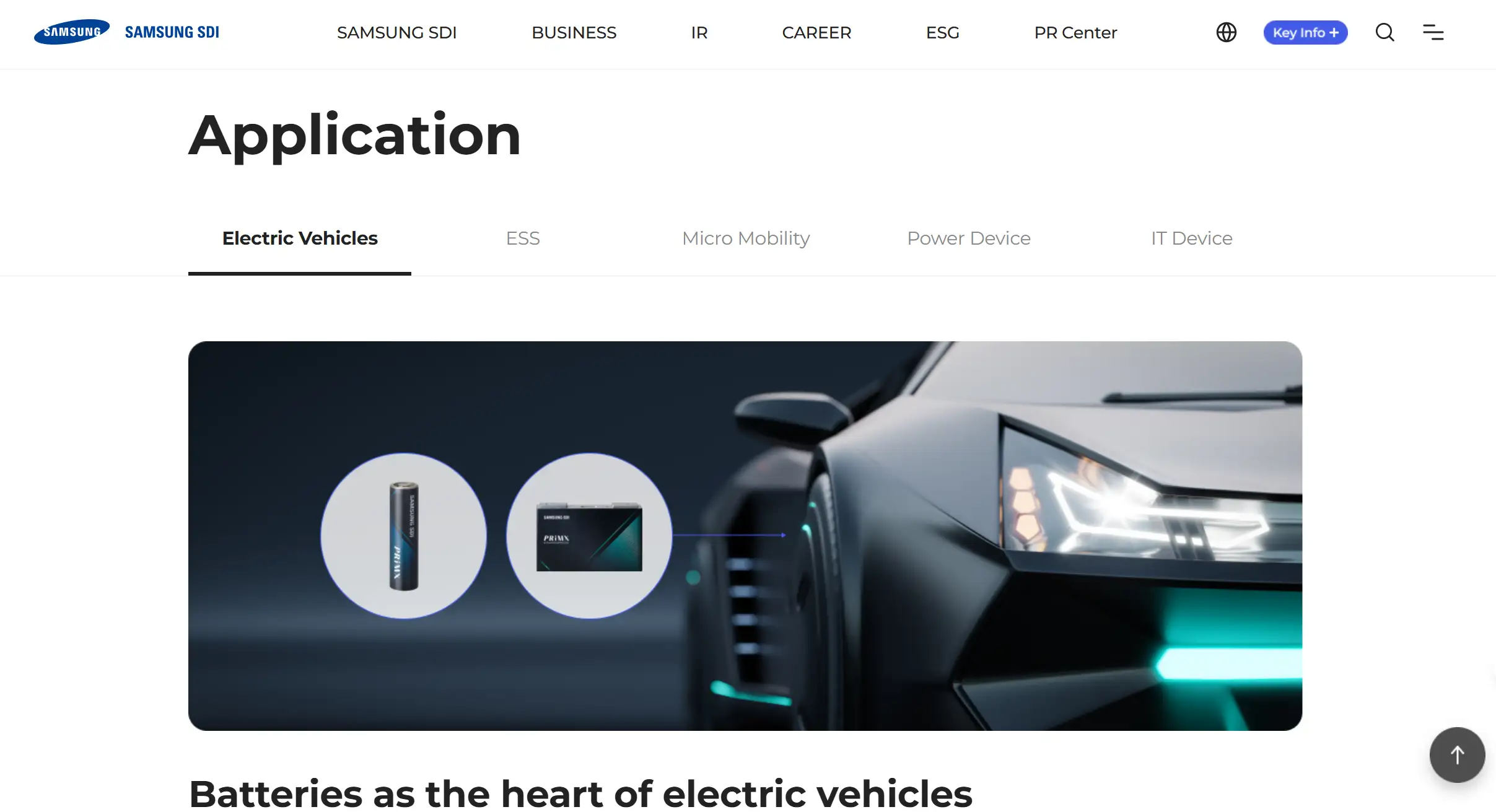
Samsung SDI operates a joint venture gigafactory in Indiana with Stellantis (StarPlus Energy) and is expanding prismatic cell production capacity in Europe and North America. In 2023, Samsung SDI installed approximately 32.6 GWh of EV battery capacity globally. The company recently announced plans to introduce LFP production lines at its U.S. joint venture facility with General Motors—marking its entry into the mass-market chemistry segment.
4. SK On

- Founded: 2021 (formally separated from SK Innovation; battery development began in the 1980s under SK Group)
- Location: Seoul, South Korea; manufacturing in the United States (Georgia), Hungary, China, and planned facilities in Canada and Europe
- Core Products: High-nickel NCM pouch cells; EV battery modules and packs; fast-charge battery systems
- Official Website: https://www.sk-on.com/
SK On became an independent entity in October 2021 following its separation from SK Innovation, enabling a sharper strategic focus on EV battery manufacturing. The company has grown quickly since its spin-off, establishing joint venture plants in the United States with Ford Motor Company (BlueOval SK) and Hyundai Motor Group (Metaplant).
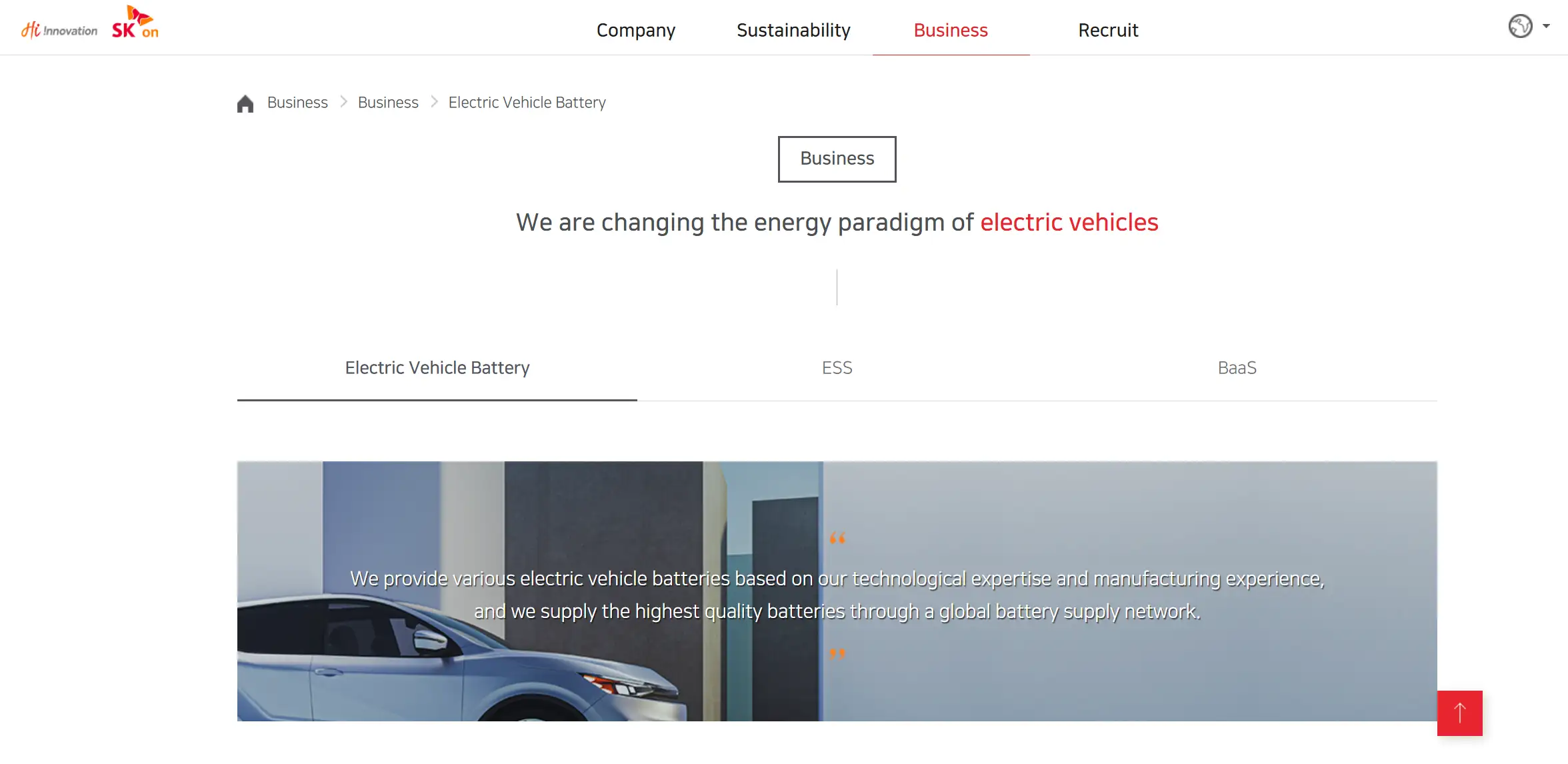
SK On’s production capacity is projected to reach approximately 100 GWh annually by 2025, and the company has been ranked among the top five EV battery suppliers globally by SNE Research. SK On has distinguished itself through early investment in NCM 9-series (high-nickel) chemistry and in 2025 showcased wireless Battery Management System technology and new solid-state battery prototypes at InterBattery Seoul.
5. Hyundai Mobis
- Founded: 1977
- Location: Seoul, South Korea; global manufacturing and engineering centers across Asia, Europe, and North America
- Core Products: EV power electric systems including Battery Systems (integrated packs), Power Control Units, motor assemblies, and electrified chassis components
- Official Website: https://www.mobis.co.kr/en/index.do
Hyundai Mobis is the primary components and modules arm of the Hyundai Motor Group, responsible for developing and supplying integrated battery system assemblies for Hyundai, Kia, and Genesis electric vehicles. Unlike cell-focused manufacturers, Hyundai Mobis specializes in the full battery system integration layer—combining cells sourced from LG Energy Solution, Samsung SDI, and SK On with its own mechanical structure, BMS, thermal management, and safety architecture.
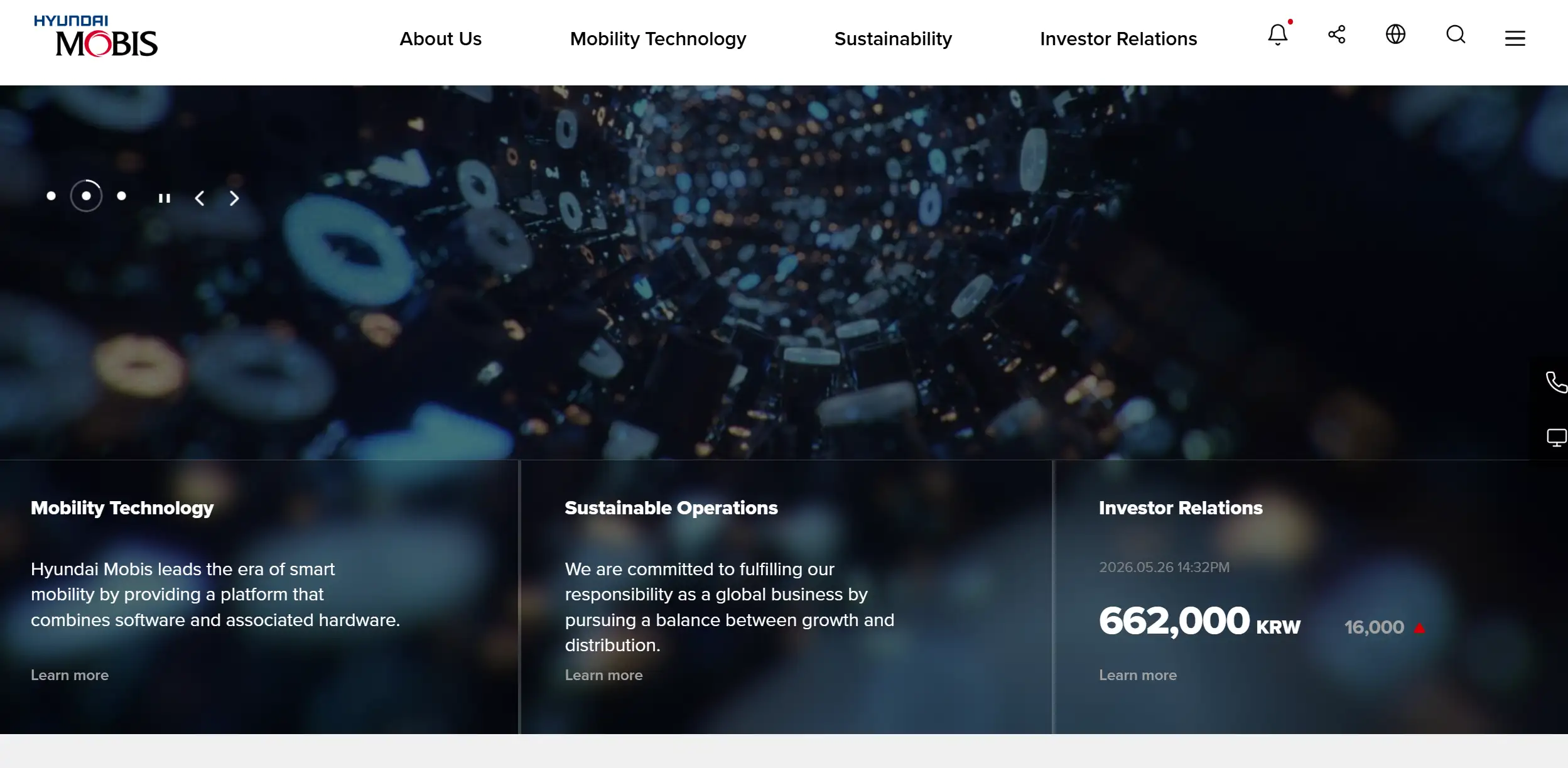
The company plays a critical role in the development of next-generation EV platforms for the Hyundai Motor Group and has been actively involved in the Korean Battery Safety Task Force, a collaboration with Hyundai, Kia, LG Energy Solution, Samsung SDI, and SK On to advance EV fire prevention and digital battery passport development.
6. POSCO Future M (formerly POSCO Chemical)
- Founded: 1971 (as part of POSCO Group; rechristened POSCO Future M in 2023)
- Location: Pohang, South Korea (Headquarters); manufacturing sites across South Korea, Canada, and Argentina
- Core Products: Cathode active materials (CAM) for EV batteries including high-nickel NCM and LFP; Anode active materials (AAM); Battery material precursors
- Official Website: https://www.posco-futurem.com/en/main/main.jsp
POSCO Future M occupies a strategic position in the South Korean EV battery supply chain as the country’s primary producer of both cathode and anode active materials. While not a battery pack assembler in the conventional sense, the company’s materials directly determine the performance characteristics—energy density, cycle life, and thermal stability—of cells produced by LG Energy Solution, Samsung SDI, and SK On.
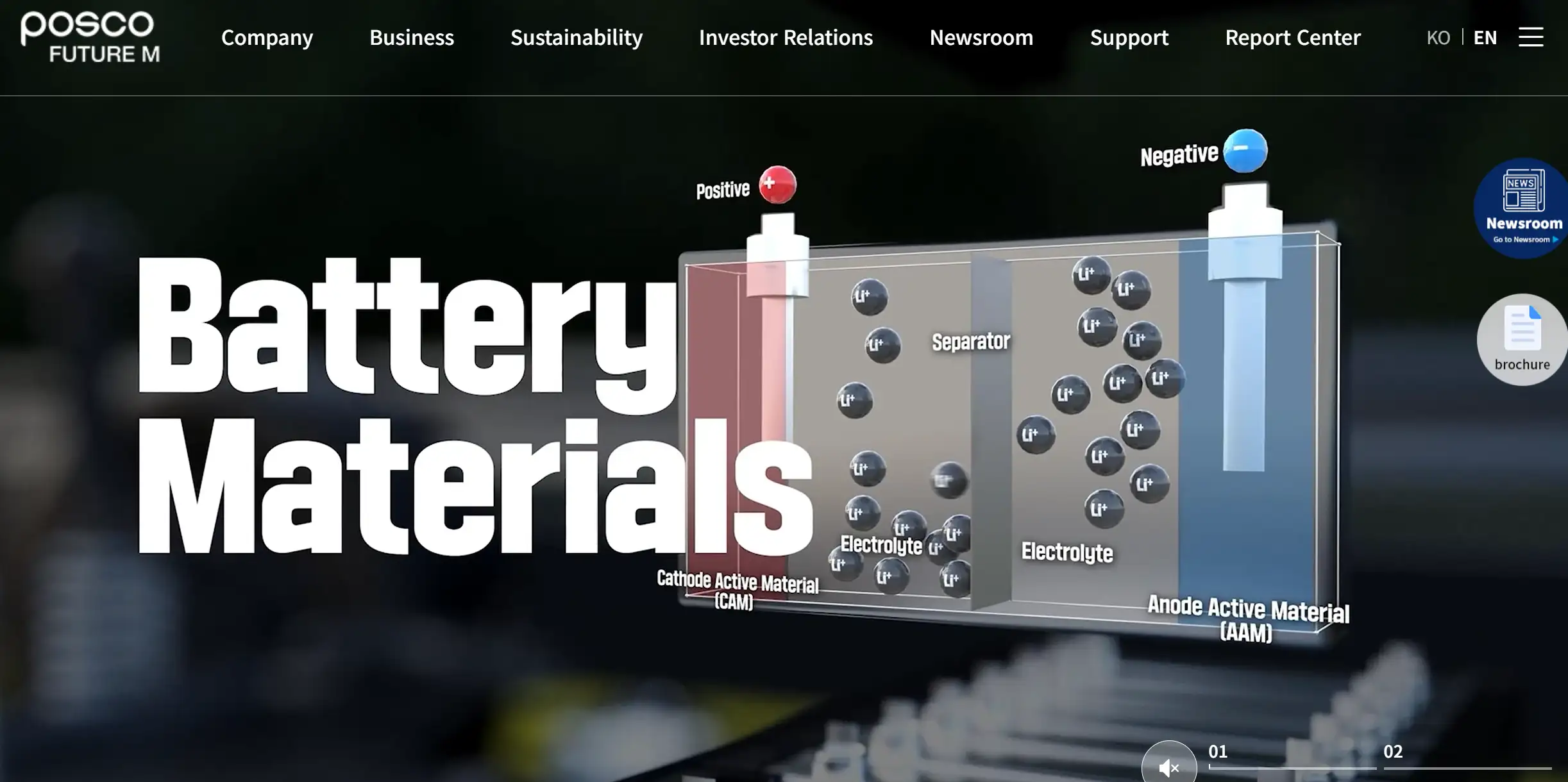
POSCO Future M has made significant investments to develop non-Chinese graphite sources for anode materials, an important supply chain diversification initiative given geopolitical sensitivities around critical minerals. The company supplies cathode materials globally and is expanding production capacity in Canada in partnership with North American battery manufacturers.
7. EcoPro BM
- Founded: 2016 (spun off from EcoPro Co., Ltd.)
- Location: Cheongju, North Chungcheong Province, South Korea; manufacturing expansion in Europe and North America under development
- Core Products: Cathode active materials for EV batteries—primarily high-nickel NCA and NCM chemistries; precursor materials
- Official Website: https://www.ecoprobm.co.kr/en/main
EcoPro BM is South Korea’s largest dedicated cathode active material (CAM) producer by volume and one of the most closely watched companies in the battery materials space. The company supplies cathode powders to Samsung SDI, SK On, and international cell manufacturers, and has grown rapidly alongside the global EV transition.
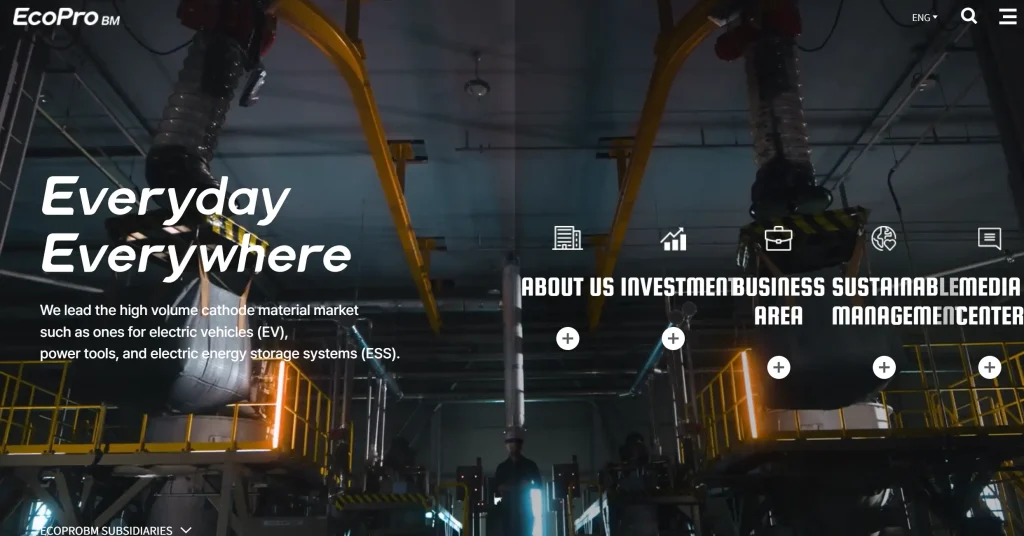
EcoPro BM’s Cheongju complex—spanning multiple production lines—represents one of the most concentrated cathode manufacturing sites in the world outside of China. The company is developing overseas production capacity, with planned facilities in North America and Europe, to support battery manufacturers seeking non-Chinese material sourcing. EcoPro BM’s parent group is also engaged in battery recycling, establishing a closed-loop materials strategy.
8. Kokam (SolarEdge Energy Storage)

- Founded: 1989
- Location: Suwon / Nonsan, South Korea; now operating under SolarEdge Technologies following acquisition
- Core Products: Lithium-ion NMC battery cells and modules; Energy Storage Systems (BESS) for grid and commercial applications; battery packs for EV, marine, defense, and aerospace
- Official Website: https://kokam.com/
Kokam was established in 1989 as a power electronics supplier before transitioning into lithium-ion polymer battery manufacturing in 1999. Over more than two decades, the company built a reputation for high-performance cells deployed in technically demanding applications including aerospace, defense, marine, and specialized EV segments. Kokam was acquired by Israel-based SolarEdge Technologies, and its battery operations now form the energy storage division of SolarEdge.
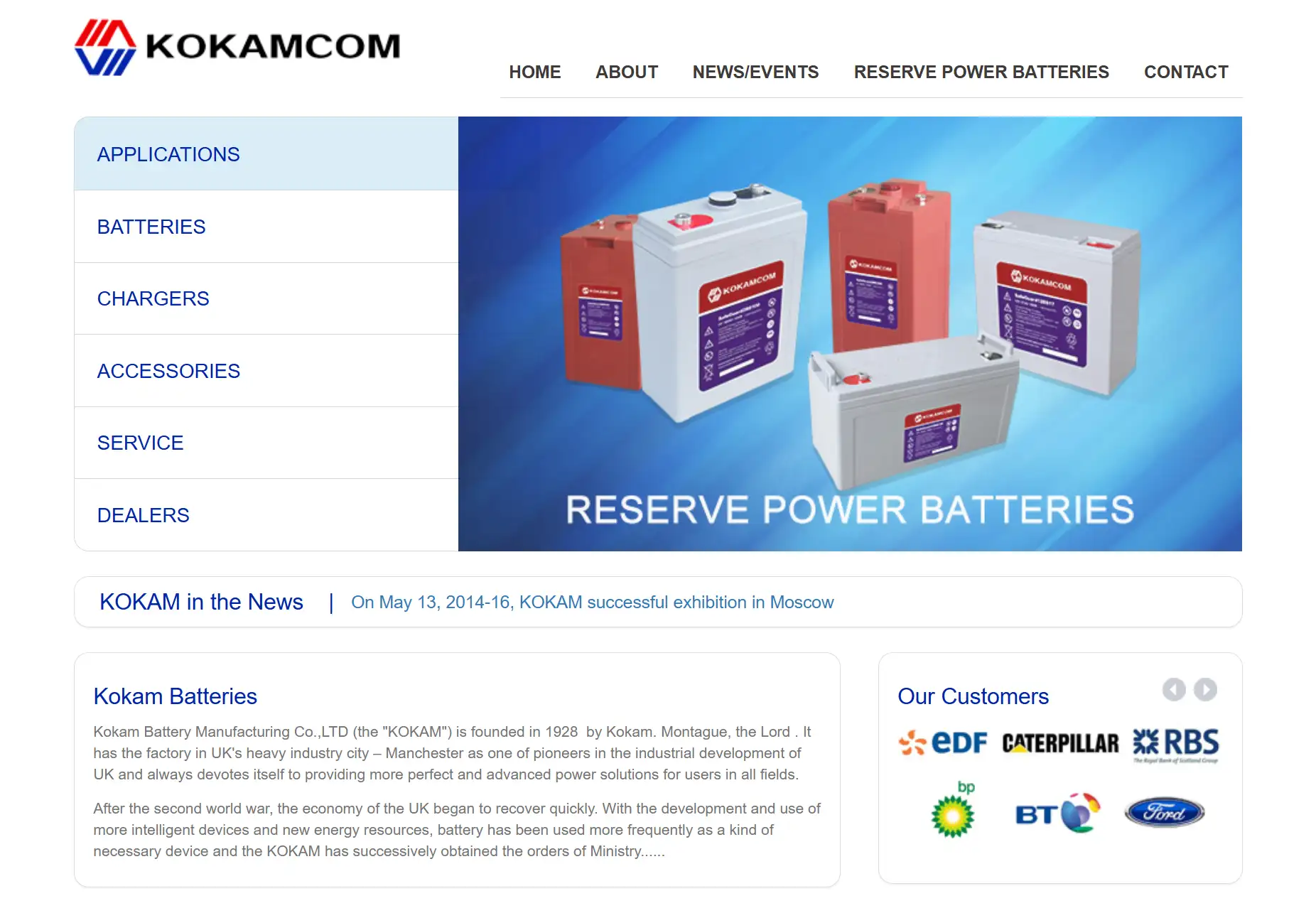
Despite the ownership change, the company continues to manufacture from its South Korean facilities and retains its focus on high energy density NMC cell technology. Kokam holds over 150 battery-related patents and has achieved more than 500 MWh of documented field performance across its deployed systems globally. Its XPAND battery pack system was specifically developed for electric bus, truck, and special-purpose vehicle applications.
9. Enertech International
- Founded: 2001
- Location: Chungju, North Chungcheong Province, South Korea
- Core Products: Large-format pouch-type lithium-ion battery cells; EV and ESS battery modules and packs; UPS battery systems; Medical device battery solutions
- Official Website: https://www.enertechint.com/
Enertech International is a specialized lithium-ion secondary battery manufacturer established in 2001. The company’s core technical foundation lies in electrode coating expertise originally transferred from magnetic tape and compact disc manufacturing—a process competency that gave it early advantages in controlling electrode uniformity and thickness for battery cell production. Enertech operates a full vertical production cycle, from electrode fabrication through cell assembly and battery system integration.
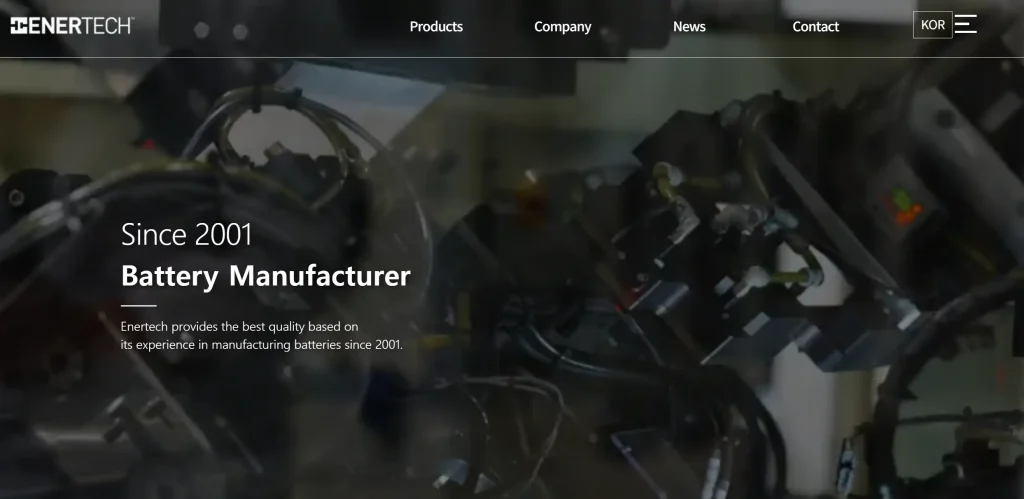
The company has pursued EV and ESS battery projects with Korean, European, and Canadian partners, and in 2026 announced the development of sodium-ion battery prototypes with energy densities in the 140–160 Wh/kg range, signaling an interest in next-generation chemistry diversification. Enertech is also engaged in a collaborative ESS development initiative with Korean peers targeting the European energy storage market.
10. L&F Co., Ltd.
- Founded: 2000
- Location: Daegu, South Korea; additional production sites under development
- Core Products: High-nickel cathode active materials (NCM, NCMA) for EV battery cells; specialty cathode powders for consumer electronics
- Official Website: https://www.lf.co.kr/en/
L&F Co., Ltd. is a South Korean cathode active material specialist with a focused portfolio centered on high-nickel NCM and NCMA (Nickel-Cobalt-Manganese-Aluminum) chemistries. The company is a significant supplier to LG Energy Solution and has expanded its cathode production capacity in response to growing demand for energy-dense EV battery cells.
L&F is notable for its work on NCMA cathode formulations, which incorporate aluminum to improve thermal stability and structural durability at high nickel content levels—a chemistry adopted in specific LGES cell programs. The company has pursued overseas capacity expansion and raw material sourcing partnerships to meet growing export demand. L&F’s growth trajectory reflects the broader Korean battery ecosystem’s increasing focus on cathode material localization and supply chain resilience.
Partner with LEAPENERGY for Your EV Battery Pack Requirements
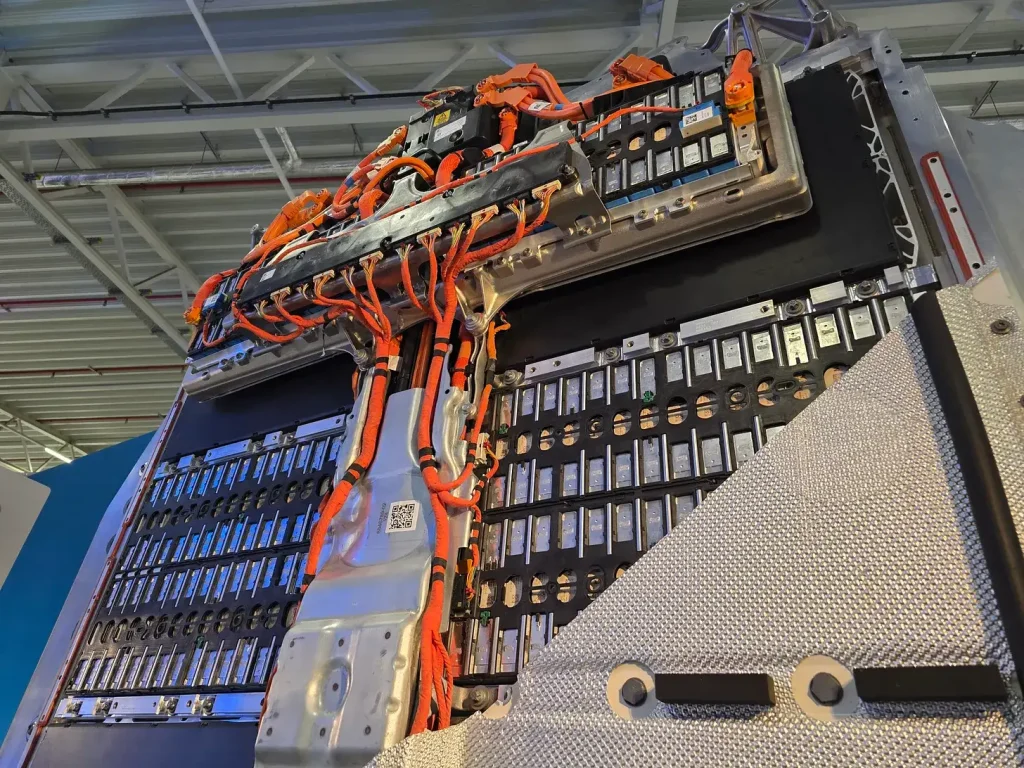
If you are evaluating EV battery pack suppliers for passenger vehicles, commercial fleets, or specialty vehicle programs, LEAPENERGY—distributed globally by HIITIO—offers a compelling combination of engineering depth, manufacturing scale, and certification credentials. With dual UL 2580 and ISO 26262 certification, an AUTOSAR-based ASIL D BMS, and production infrastructure scaling toward 950,000 packs annually, LEAPENERGY is positioned to support serious OEM programs across a range of voltages and chemistries.
EXPLORE MORE LEAPENERGY EV BATTERY PACK
The company’s 400V and 800V platform-compatible packs integrate CTP and CTC structural options with cell-agnostic flexibility, meaning your procurement team retains options across multiple cell suppliers without compromising system-level performance. LEAPENERGY’s engineering team of over 153 R&D specialists supports customers from specification to validation, with a 24-hour quotation commitment for standard configurations. Whether your application is a passenger EV, a range-extended commercial vehicle, or a BESS platform, explore LEAPENERGY’s full battery pack portfolio at https://leap.hiitio.com/ and connect with the technical team to discuss your program’s specific requirements today.
 English
  German
  Chinese
  Spanish