
If you’re looking to reduce your electricity bills and get the most from your home energy setup, understanding how residential energy storage systems reduce electricity bills is crucial. This guide goes beyond basics to show the real financial and technical mechanics behind smart energy storage. Whether you already have solar panels or are considering an upgrade, you’ll discover how intelligent battery solutions enable you to maximize solar self-consumption, leverage time-of-use arbitrage, and cut down on costly grid reliance. Ready to see how smart power management translates into real savings? Let’s get to it.
Maximizing Solar Self-Consumption with Residential ESS
One of the biggest challenges in residential solar is the solar gap—when your rooftop panels produce excess electricity during the day, but your household’s peak energy use doesn’t align with that production. This mismatch means a lot of valuable power either goes back to the grid or is wasted without benefit.
Here’s where a residential energy storage system (ESS) makes a game-changing difference. Instead of exporting surplus solar power at low utility compensation rates, your home battery stores this excess energy, allowing you to use it later during peak hours. This maximizes solar self-consumption, directly reducing your electricity bills.
Storing vs. Exporting: What Saves More?
| Factor | Exporting Solar Power | Storing Solar Power (With ESS) |
|---|---|---|
| Compensation Rate | Low, often below retail | Effectively replaces grid power at retail rates |
| Solar Utilization | Limited | High, reduces dependence on grid |
| Bill Impact | Minimal savings | Significant electricity bill reduction |
| Energy Availability | Immediate export | Available on demand during peak usage |
Grid Power vs. Stored Solar Energy: Cost Comparison
- Grid power during peak hours can cost 2-3 times more than off-peak or excess solar power.
- Using stored solar energy eliminates these peak usage costs.
- Hybrid solar inverters play a vital role by managing the energy flow seamlessly between your solar panels, battery, and the grid.
Role of Hybrid Solar Inverters
A hybrid solar inverter intelligently directs electricity:
- It prioritizes charging the battery with excess PV generation.
- It supplies power to your home load using stored energy during demand peaks.
- It manages grid interaction, ensuring maximum savings and system efficiency.
This smart energy flow control is essential for fully leveraging your solar plus storage system and achieving optimal solar self-consumption and electricity bill reduction.
By combining your residential solar panels with a high-efficiency battery system and hybrid inverter, you turn every extra kilowatt-hour (kWh) into real financial savings—protecting you from rising utility rates while powering your home more sustainably.
Time-of-Use (TOU) Arbitrage and Load Shifting
One of the smartest ways residential energy storage systems cut electricity bills is through time-of-use (TOU) arbitrage. Utility companies charge different rates depending on the time of day—higher prices during peak hours and lower rates off-peak. With a home battery system, you can charge batteries during low-cost off-peak periods when electricity is cheaper, then use that stored energy during peak pricing to avoid paying high rates, a strategy known as peak shaving.
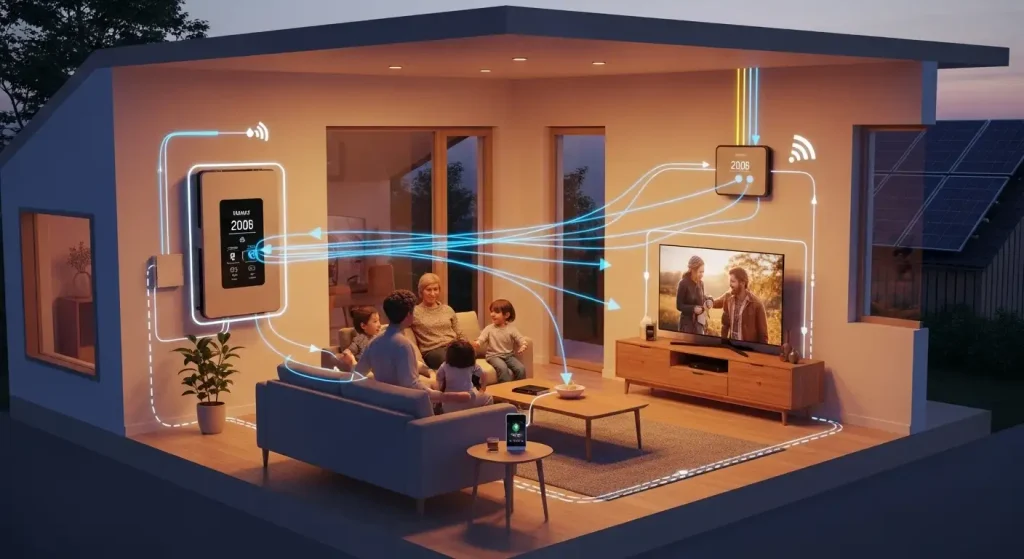
This load shifting helps you reduce your electricity bills by minimizing grid power usage when rates spike. Plus, modern energy management systems (EMS) automate this entire process, ensuring your battery charges and discharges at the optimal times without manual intervention. This smart home energy management approach makes maximizing your savings straightforward and hassle-free.
Hybrid solar inverter technology often works alongside residential ESS, managing energy flow efficiently between solar panels, batteries, and the grid. This integration is key to optimizing time-of-use optimization and ensuring you get the most value from your system. For advanced systems designed to handle this seamlessly, check out the benefits of a reliable hybrid solar battery system that supports TOU strategies.
Reducing Demand Charges and Grid Reliance
One of the biggest ways residential energy storage systems (residential ESS) help cut electricity bills is by reducing demand charges—those extra fees utilities charge based on your highest power use during peak periods. A home battery system can perform battery peak shaving by discharging stored energy right when your usage spikes, lowering your peak demand and saving you money.
Besides shaving peaks, cutting down on overall grid dependency protects you from sudden rate hikes. With a reliable home battery, you rely less on the grid and more on your stored solar or off-peak energy, giving you predictable energy costs. This kind of load management helps hedge against fluctuating utility prices and keeps your bills steady.
On top of that, many residential battery systems now support Virtual Power Plant (VPP) participation. This means your home battery can sell stored energy back to the grid during high demand times, turning your residential battery storage into a potential income source. VPPs aggregate energy from many homes, providing utilities with flexible power while you benefit from additional revenue streams.
Using smart batteries with energy management systems (EMS) ensures all these functions—peak shaving, grid independence, and VPP sales—work automatically, maximizing your electricity bill reduction without you having to lift a finger. This seamless integration makes residential ESS a smart, cost-saving solution for homeowners aiming to manage both energy use and expenses effectively.
Technical Factors That Impact Financial ROI
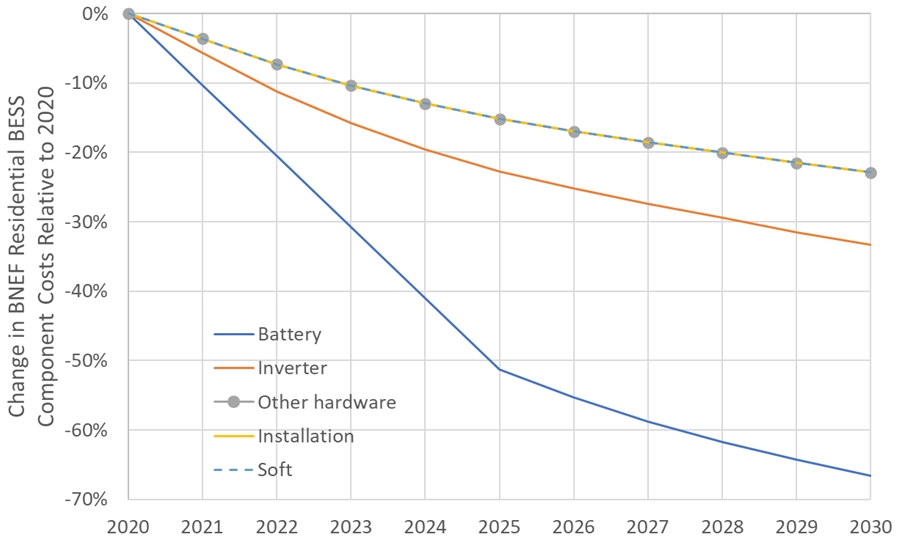
When it comes to residential energy storage systems, several technical aspects directly influence your electricity bill savings and overall financial return on investment (ROI). Understanding these can help you choose the right home battery system to maximize value.
Round-Trip Efficiency Matters
Round-trip efficiency measures how much energy you get back compared to what you put into the battery. Higher efficiency means less energy loss when charging and discharging, which translates into more electricity savings. For instance, a system with 90% round-trip efficiency saves more than one with 80%. This efficiency impacts how quickly you recover your investment through reduced energy costs.
Depth of Discharge (DoD) and Usable Capacity
DoD refers to the percentage of battery capacity that can be used safely without harming the battery life. A higher DoD means you can utilize more of your battery’s capacity daily, increasing your usable energy and reducing grid reliance. Residential ESS with a DoD of 90% or more, like LiFePO4 batteries, offer better usable capacity compared to older technologies limited to around 50-70% DoD.
| Technical Factor | Impact on Savings |
|---|---|
| Round-Trip Efficiency | Less energy wasted = more bill savings |
| Depth of Discharge | Higher usable capacity = better load shifting |
| Cycle Life | Longer life = lower replacement cost |
| Battery Voltage Type | High-voltage systems offer better efficiency |
Why LiFePO4 Batteries Are a Smart Choice
Lithium iron phosphate (LiFePO4) batteries stand out for residential battery storage. They combine long cycle life (often 3,000+ cycles) with deep DoD and high safety, ensuring your system performs reliably for many years. This longevity lowers your cost per kWh stored and helps you avoid premature replacements. For advanced insights on battery cycle life and performance, check out the guide on how battery packs boost EV range and lifespan.
High-Voltage vs. Low-Voltage Battery Systems
High-voltage battery systems generally offer better charge/discharge efficiency and smaller, lighter designs, which improves overall system performance and reduces energy losses. Low-voltage systems may be simpler but can face higher resistive losses and bigger hardware footprints. Choosing a high-voltage setup often means better savings and easier scalability for home energy storage.
By focusing on these technical factors—round-trip efficiency, DoD, battery cycle life, and system voltage—you can optimize your residential ESS for maximum electricity bill reduction and a stronger financial ROI.
The LEAPENERGY Advantage: Efficiency, Safety, and Scalability
LEAPENERGY sets the standard in residential energy storage systems by focusing on efficiency, safety, and smart design. Here’s how their solutions stand out:
Modular and Stackable Battery Design
- Scalable Capacity: Easily add or remove battery modules to match your household needs
- Flexible Installation: Fits different home sizes and adapts as energy demands grow
- Cost-Effective Upgrades: Avoid upfront overspending by expanding storage over time
Advanced Safety Features
- Thermal Management System: Keeps battery temperature optimal to prevent overheating and extend lifespan
- Battery Management System (BMS): Monitors each cell’s health and ensures balanced charging/discharging
- For more on battery safety, explore LEAPENERGY’s key safety features in EV battery packs, which reflect their commitment to secure energy storage solutions.
Real-Time Remote Monitoring
- Energy Usage Tracking: Monitor your solar self-consumption and battery status anytime via a user-friendly app
- Savings Insights: See how much you’re saving on your electricity bill in real time
- System Alerts: Get instant notifications on performance to maintain optimal operation
| Feature | Benefit |
|---|---|
| Modular Design | Scalable & flexible energy storage |
| Thermal Management | Prevents thermal runaway & extends battery life |
| Battery Management System | Maximizes safety and efficiency |
| Remote Monitoring Platform | Real-time energy and savings insights |
By combining modular, stackable designs with integrated safety and smart monitoring, LEAPENERGY’s residential battery storage systems deliver reliable, efficient, and safe home power solutions tailored for American households aiming to reduce electricity bills and maximize solar energy use.
Calculating the Return on Investment (ROI)
When assessing how a residential energy storage system (ESS) impacts your electricity bills, calculating the return on investment (ROI) is key. The formula typically considers electricity savings from reduced grid use, the value of backup power during outages, and system costs. Here’s how it breaks down:
- Electricity savings come from maximizing solar self-consumption, time-of-use arbitrage, and reducing demand charges.
- Backup value reflects the peace of mind and ongoing daily value you get from blackout protection, ensuring home continuity during power interruptions.
- The system’s lifespan plays a big role by spreading upfront costs over years of reliable service, which lowers the overall levelized cost of energy (LCOE).
A longer battery cycle life, especially in lithium iron phosphate (LiFePO4) batteries, and high round-trip efficiency maximize savings over time. The extended durability means your home battery system continues delivering cost benefits well beyond the initial payback period.
For a detailed look at how advanced battery pack technologies contribute to system longevity and savings, check out our guide on designing durable automotive-grade battery packs for long-term reliability. This insight highlights why investing in quality residential ESS components makes financial sense over the years.
By combining electricity bill reductions with backup power benefits and system longevity, homeowners can get a clear picture of their residential ESS ROI and make smarter energy decisions tailored for U.S. households.
 English
  German
  Chinese
  Spanish