
If you’re a homeowner worried about the next blackout or rising electricity costs, you’re not alone. The reality is clear: grid outages are becoming more frequent, and relying solely on traditional power sources is no longer enough. That’s where residential backup power solutions come in—designed to keep your home safe, powered, and connected when the grid fails. In this post, you’ll discover how modern battery energy storage systems provide a clean, silent, and reliable alternative to noisy generators, offering true energy independence and smarter savings. Ready to take control of your home’s power? Let’s get started.
Comparing Backup Options: Generators vs. Battery Storage
When it comes to residential backup power solutions, homeowners often weigh traditional generators against modern home battery systems. Each has its strengths and weaknesses, but understanding their differences helps you choose the best fit for your needs.
| Feature | Traditional Generators | Home Battery Systems |
|---|---|---|
| Power Source | Fossil fuels (gasoline, diesel, propane) | Electricity stored in lithium iron phosphate (LFP) batteries |
| Noise | Loud, can disturb neighbors | Completely silent operation |
| Maintenance | Frequent upkeep required (fuel, oil, filters) | Minimal maintenance needed |
| Start Time | Seconds to minutes, often manual start | Instant switchover with integrated PCS inverters |
| Environmental Impact | Emits exhaust gases, air pollution | Clean energy integration, especially with solar plus storage |
| Integration | Standalone, limited smart controls | Seamlessly integrates with solar PV and smart energy systems |
Why Choose Home Battery Systems?
- Silent Operation: No engine noise means your home stays peaceful during outages.
- Instant Power: The integrated PCS inverter enables an automatic switchover—no delay, no hassle.
- Cleaner Energy: Works hand-in-hand with solar panels, letting you store renewable energy for use anytime.
- Low Maintenance: Forget frequent fuel purchases and engine tune-ups.
In comparison, traditional generators rely heavily on fossil fuels, require routine maintenance, and produce noise and emissions. For eco-conscious homeowners seeking reliable, quiet, and sustainable backup power, residential battery storage systems are quickly becoming the preferred choice.
Deep Dive: How Residential Energy Storage Works
At the heart of most modern home battery systems is Lithium Iron Phosphate (LiFePO4) technology. This type of battery stands out for its superior safety, excellent thermal stability, and a longer cycle life compared to traditional lithium-ion options. That means your residential energy storage system (ESS) stays safer in everyday use and lasts through thousands of charge and discharge cycles, giving you reliable backup power for years.
When it comes to system design, you’ll find two common architectures: high-voltage and low-voltage battery systems. High-voltage setups typically offer better efficiency and faster charging, which can be a big advantage during grid outages or solar energy capture. Many modern home battery systems also feature modular and stackable designs, allowing you to scale capacity easily as your energy needs grow—whether you want simple critical load backup or whole-home coverage.
But none of this works well without the system’s “brain”: the Battery Management System (BMS). This critical component constantly monitors the battery’s health, manages charging and discharging safely by controlling the Depth of Discharge (DoD), and prevents dangerous issues like thermal runaway and overcurrent conditions. The BMS ensures your home battery system operates smoothly and safely, protecting both your equipment and your home.
For a closer look at hybrid solutions that combine solar and battery storage with advanced inverters, check out our home energy hybrid solar battery systems to understand how integrated PCS inverters improve efficiency and response times during outages.
Designing Your Backup Strategy: Critical Loads vs. Whole Home
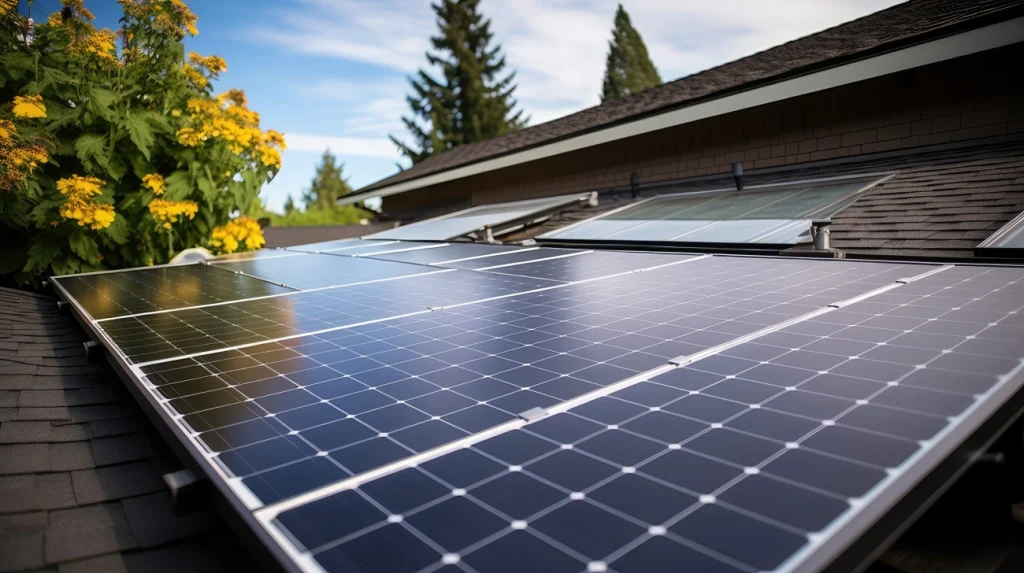
When planning a residential backup power solution, deciding between critical loads backup and whole home backup is key. Critical loads include essentials like your refrigerator, medical devices, Wi-Fi, and lighting—these keep your home functioning safely during an outage without requiring a large residential energy storage system. On the other hand, whole home backup covers everything: HVAC systems, electric vehicle (EV) chargers, cooking appliances, and more, offering complete blackout protection but requiring a larger home battery system with higher power output and battery capacity.
Load Prioritization: What to Back Up
- Critical Loads Backup: Focus on lifesaving and comfort devices such as:
- Refrigerators and freezers
- Medical equipment (e.g., CPAP machines)
- Wi-Fi routers and communication devices
- Essential lighting and small appliances
- Whole Home Backup: Powers your entire residence including:
- Heating, ventilation, and air conditioning (HVAC)
- Electric vehicle chargers
- Kitchen appliances like stoves and microwaves
- Entertainment systems and more
Sizing Your Residential Battery Storage
Proper sizing depends on the power output (kW) and battery capacity (kWh) you need. Here are some points to consider:
- Power Output (kW): Determines how many devices or appliances can run simultaneously.
- Battery Capacity (kWh): Reflects how long the stored energy can power your home during an outage.
- Depth of Discharge (DoD): The percentage of battery capacity that can be safely used without damaging the battery. A higher DoD lets you use more stored energy, maximizing efficiency and battery life.
A well-designed battery backup system balances these factors to match your household’s energy needs while maximizing your investment.
If you want a deeper understanding of battery design considerations and efficiency, checking out detailed guides on modular vs integrated battery packs can provide useful insights into how modern battery systems are built for flexibility and performance.
Economic Benefits: ROI Beyond Backup Power
Investing in a residential backup power solution isn’t just about staying powered during outages—it can also save you money and boost your home’s energy efficiency.
Time-of-Use (TOU) Optimization
Utility rates can spike during peak hours, but a smart home battery system lets you store cheaper grid power when rates are low and use it when prices soar. This peak shaving and load shifting strategy helps cut electricity bills without sacrificing comfort.
Solar Plus Storage
With a solar battery storage system, you can save excess solar energy instead of sending it back to the grid. This means more power for your home during evenings or cloudy days, maximizing your solar plus storage benefits and reducing your monthly utility costs.
Energy Independence
A residential ESS reduces reliance on the grid, which helps protect you from rising energy prices and power interruptions. Energy independence gives you control over your electricity usage and a long-term return on investment (ROI) beyond just backup power.
| Benefits | Explanation |
|---|---|
| Lower Energy Bills | Use stored energy during peak pricing |
| Maximize Solar Self-Consumption | Store excess PV energy on-site |
| Reduced Grid Dependence | Less affected by outages and rate hikes |
| Increased Home Value | Adds appeal with modern energy system |
For efficient and cost-effective solutions, consider integrating a modular home battery system with an integrated PCS inverter, similar to innovative designs in the automotive industry — as seen in the way battery pack integration cuts manufacturing cost for EVs. This approach boosts efficiency and ROI for residential energy storage systems.
By combining smart energy management with clean, reliable backup power, you’re not just ready for blackouts—you’re investing in your home’s energy future.
Smart Energy Management & Monitoring
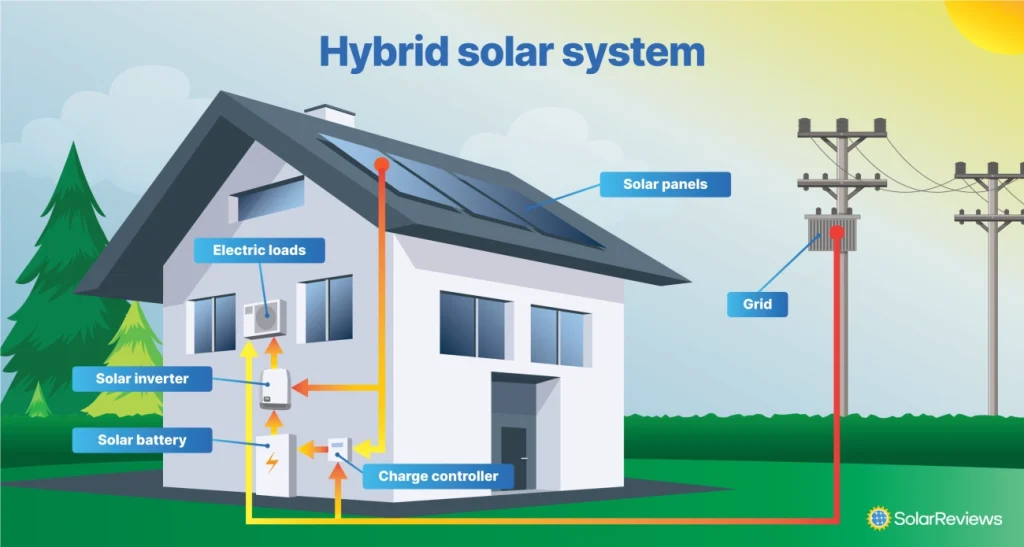
A smart energy management system (EMS) is the heart of any modern residential battery storage setup. It automates the flow of energy between your home, the grid, solar panels, and the battery, ensuring you get the most efficient and cost-effective use of power throughout the day. This means when your solar panels produce more energy than you need, the system can store it in your home battery system or even feed it back to the grid during peak times.
Remote monitoring adds another layer of convenience. With a mobile app, you can check your residential energy storage system’s performance and health in real time, from anywhere. This feature helps you stay ahead of any issues and ensures your backup power is ready when you need it.
Looking ahead, many homeowners are interested in how their stored energy could contribute to a virtual power plant (VPP)—a network that aggregates multiple home batteries to support the grid during high demand or outages. This is a promising way to add value to your system beyond just blackout protection.
For those curious about the technology behind efficient battery setups, learning about high-voltage battery systems can give insights into how energy efficiency and smart controls improve overall system performance.
Safety and Reliability Standards (The LEAPENERGY Promise)
When it comes to residential backup power solutions, safety and reliability are non-negotiable. LEAPENERGY designs its home battery systems with multi-layer fire safety protections and advanced thermal management systems. This helps prevent overheating and thermal runaway, ensuring your lithium iron phosphate (LiFePO4) home battery stays safe even under heavy use.
Our residential energy storage systems (ESS) meet stringent global safety standards, including IEC and UL certifications, giving you peace of mind that your system complies with top industry requirements. These certifications verify that every unit undergoes rigorous testing for electrical safety and durability.
Durability matters for long-term energy solutions. LEAPENERGY’s batteries boast an impressive long cycle life of 6,000+ cycles, meaning the system can reliably provide backup power for many years. Plus, extended warranties add an extra layer of security, so you can feel confident investing in an energy storage system that’s built to last.
For more on how safety is enhanced through smart hardware, check out how battery disconnect units (BDUs) enhance battery safety in home energy systems.
With LEAPENERGY, you’re not just getting backup power—you’re getting a fail-safe, reliable residential ESS designed for peace of mind and long-term performance.
 English
  German
  Chinese
  Spanish