
If you’re keeping an eye on the 2026 Global Residential Energy Storage Market Trends and Growth Opportunities, you’re tapping into one of the fastest-evolving sectors in home power technology. As electricity prices climb and solar policies shift, homeowners and businesses alike face crucial decisions about energy independence and ROI. This isn’t just about backup power anymore—residential energy storage is transforming into intelligent, integrated systems that optimize usage, maximize savings, and support emerging technologies like EV charging. In this outlook, you’ll get a clear picture of the game-changing trends, from LiFePO4 batteries to high-voltage architectures, that will define the market by 2026—and why now is the time to capitalize on these growth opportunities. Let’s dive in.
Executive The Shift from “Backup” to “Energy Management”
The residential energy storage market is rapidly evolving as we approach 2026, moving far beyond the traditional role of just providing backup power. Today, home energy storage systems are at the heart of a broader energy management revolution, giving homeowners and businesses smarter, more flexible control over their electricity use.
No longer is a residential battery storage simply a safety net for blackouts. Instead, it’s becoming a sophisticated residential energy solution that optimizes solar self-consumption, maximizes savings with time-of-use tariff optimization, and supports new opportunities like virtual power plant (VPP) participation. These changes reflect a market shift shaped by rising electricity prices, increased adoption of solar plus storage, and growing consumer demand for energy independence and sustainability.
Key trends leading this shift include:
- Integration with smart home energy management systems (EMS) for real-time load balancing
- Use of lithium iron phosphate (LiFePO4) home batteries for safety, durability, and long cycle life
- Modular and stackable designs that offer scalable capacity and flexibility
- Hybrid solar inverters that improve overall system efficiency and simplify installation
This transformation means investing in a residential ESS today isn’t just about backup power—it’s about enhancing your whole-home energy ecosystem. Whether to reduce electricity bills, increase grid resilience, or support EV home charging, modern home battery systems are reshaping how we think about energy storage and use.
As the market heads to 2026, understanding this shift from backup to integrated energy management is essential for making smart decisions and unlocking the full value of residential solar battery storage systems.
Key Technological Trends Dominating the 2026 Horizon
The residential energy storage market is evolving fast, with technology leading the charge toward smarter, safer, and more efficient home battery systems. By 2026, you’ll see the widespread adoption of lithium iron phosphate (LiFePO4) batteries, known for their long cycle life and improved safety compared to older chemistries. This shift is a game-changer for residential ESS, making home energy storage systems more reliable and cost-effective for everyday users.
We’re also witnessing advances in high-voltage battery systems that improve power output and system efficiency, giving homeowners better control over energy usage. Meanwhile, modular and stackable battery designs are gaining traction, letting you scale your residential battery storage according to your needs without ripping out your entire setup.
Another big trend is all-in-one integration with hybrid solar inverters and power conversion systems (PCS). These integrated solutions simplify installation and boost the overall hybrid solar inverter efficiency, maximizing your solar plus storage ROI while supporting smart home energy management systems (EMS) for real-time optimization.
These innovations promise not just backup power, but a smarter, more connected energy future that fits perfectly with residential microgrid solutions and advanced time-of-use tariff optimization—helping you save money while increasing energy independence. For a deeper dive into cutting-edge energy storage technologies shaping tomorrow’s homes, check out this comprehensive electric battery pack guide covering 2026 technology types and trends.
The Standard for Safety: Lithium Iron Phosphate (LFP/LiFePO4)
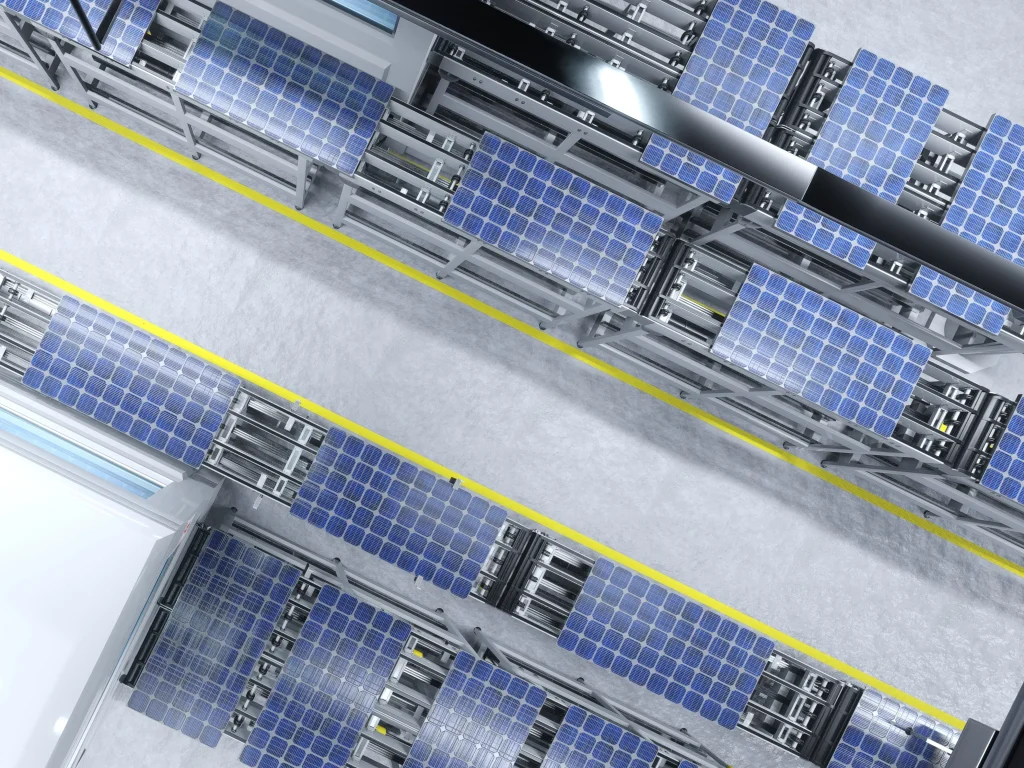
Lithium Iron Phosphate (LFP or LiFePO4) batteries are becoming the go-to choice for residential energy storage systems in 2026. Known for their excellent safety profile, these batteries significantly reduce risks like thermal runaway and fire hazards compared to older lithium-ion chemistries. For homeowners looking for reliable and safe home battery systems, LiFePO4 offers longer cycle life and stable chemical properties that ensure consistent performance over many years.
Beyond safety, LiFePO4 home batteries deliver solid energy density and maintain high charge and discharge efficiency, which means more usable power and better value over time. Their robustness also supports modular and stackable battery designs, making them an ideal fit for custom home energy storage solutions that can grow with your needs.
A key advantage is how these batteries integrate with intelligent battery management systems (BMS), enhancing safety protocols with real-time monitoring and protection. This makes LFP-based residential ESS not only safer but smarter, helping homeowners optimize energy use and extend the life of their investment.
For detailed insights into battery safety features similar to those used in residential energy storage systems, see our guide on key safety features in EV battery packs. This resource offers valuable parallels that help emphasize the advanced safety standards driving the residential energy storage market today.
High-Voltage (HV) vs. Low-Voltage Architectures
As the residential energy storage market evolves toward 2026, the choice between high-voltage (HV) and low-voltage battery systems is becoming a key technological focus. High-voltage battery storage systems typically operate above 400 volts, offering greater power output and efficiency, which makes them ideal for larger home energy storage setups and integration with solar plus storage systems. They support faster charging and discharging rates, enhancing overall system performance—especially important for applications like EV home charging integration and peak shaving.
On the other hand, low-voltage architectures usually operate below 100 volts, providing simpler design, easier installation, and enhanced safety for smaller residential battery storage systems. These systems are well-suited for retrofit photovoltaic battery system setups where minimizing complexity is crucial and safety is a priority, particularly in densely populated areas.
Both HV and low-voltage designs come with trade-offs in terms of cost, system efficiency, and scalability. HV solutions tend to offer higher energy density and better return on investment (ROI) for homeowners focused on maximizing solar self-consumption, while low-voltage systems appeal to users prioritizing modular battery system flexibility and ease of maintenance.
Choosing the right voltage architecture depends largely on your household energy storage needs, space constraints, and desired integration with home energy management systems (EMS). For homeowners interested in advanced hybrid solar inverter efficiency and intelligent power control, high-voltage systems often provide a future-ready platform that aligns with grid-tied energy storage and virtual power plant (VPP) participation.
For more insights on system designs and modular solutions, exploring resources on modular vs. integrated battery pack architectures can be helpful to optimize your residential battery storage setup.
Modularity and Stackable Designs
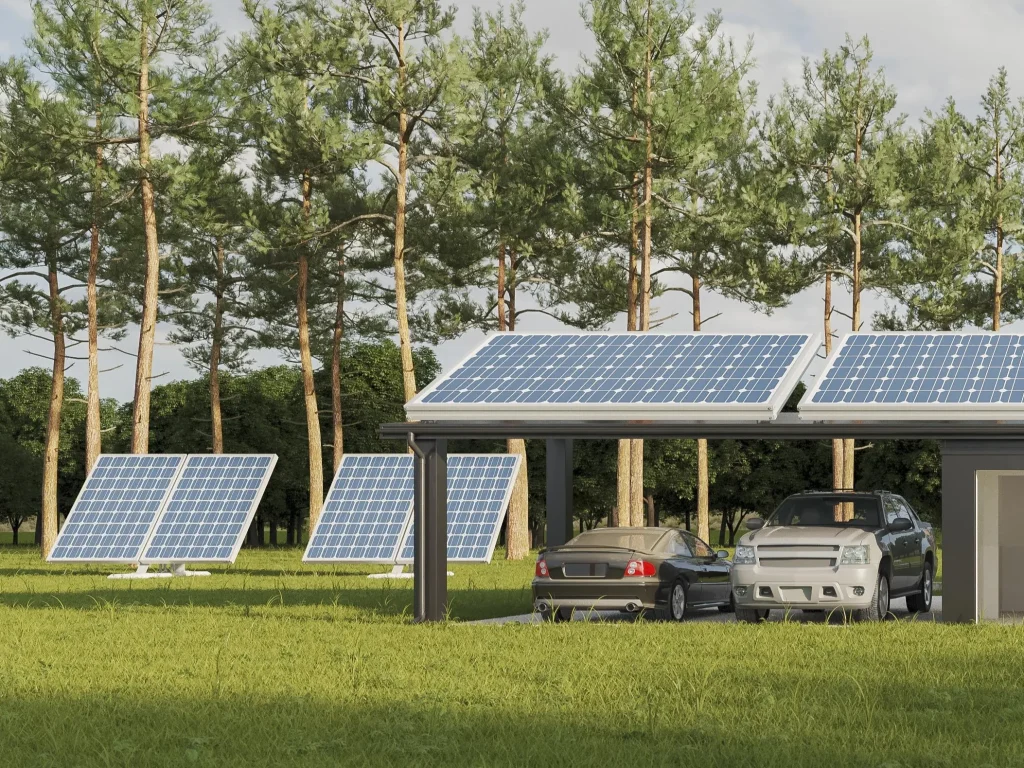
One of the strongest trends shaping residential energy storage is the move toward modular and stackable battery systems. Homeowners want flexibility, so residential ESS manufacturers are delivering battery packs that can be easily expanded or customized based on energy needs and available space. Modular battery systems allow users to start small and add capacity over time without replacing the entire home battery system.
Stackable battery designs also simplify installation and maintenance. By snapping or connecting individual battery units, stackable designs improve scalability for households aiming for higher energy storage capacity—perfect for solar plus storage setups or expanding backup power during outages.
Benefits include:
- Customizable battery capacity (kWh) tailored to lifestyle
- Simplified upgrades without major overhauls
- Better load management through flexible system sizing
- Easier integration with smart home energy management systems (EMS)
For U.S. markets where energy demands vary regionally, modular systems provide a cost-effective path to energy independence. Many leading residential battery storage OEMs now focus on these stackable designs to keep the residential energy solution both affordable and future-proof. This approach also aligns with innovative integration technologies like hybrid solar inverters and intelligent battery management systems, which optimize charge-discharge cycles and enhance system efficiency.
To explore how durable and customizable battery packs adapt to evolving energy needs, check out our take on battery pack integration to cut manufacturing costs. This insight sheds light on modular design innovations driving the 2026 residential ESS market.
All-in-One Integration: Hybrid Inverters & PCS
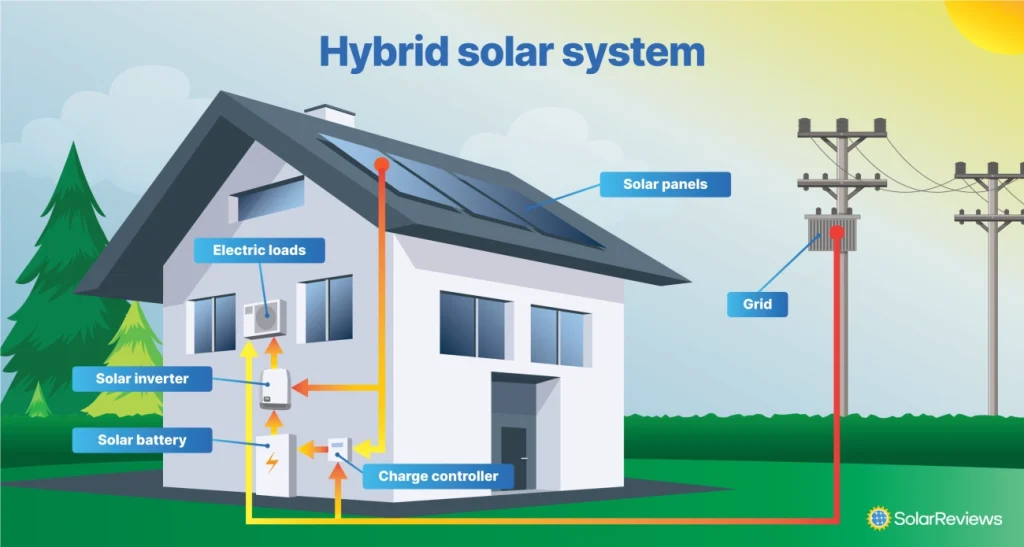
One major trend shaping the 2026 global residential energy storage market is the rise of all-in-one integration, especially combining hybrid solar inverters with power conversion systems (PCS). These integrated solutions streamline the home battery system by merging solar power conversion, storage management, and grid interaction into a single, compact unit.
This approach boosts overall system efficiency by reducing energy losses that typically happen when separate devices handle conversion and storage. Hybrid solar inverter efficiency improves, enabling seamless switching between solar generation, battery storage, and grid power. For homeowners, this means simpler installation, less equipment clutter, and easier system management through smart home energy management systems (EMS).
Moreover, integrated PCS paired with sophisticated battery management systems (BMS) enhances reliability and safety, providing real-time control and monitoring. This integration also supports advanced features like peak shaving, load shifting, and time-of-use tariff optimization—key economic drivers for maximizing solar self-consumption and overall ROI.
By adopting all-in-one hybrid inverter solutions, US homeowners can enjoy a smarter, more streamlined residential ESS that fits the growing demand for efficient, user-friendly home energy storage. For insights into battery safety enhancements that pair well with integrated systems, explore how BDU integrates with BMS to enhance EV battery safety.
Economic Drivers and Growth Opportunities
As the U.S. residential energy storage market heads toward 2026, several economic factors are driving strong growth opportunities. Homeowners and businesses alike are realizing the value of a residential energy storage system not just for backup power but as a smart investment that boosts energy independence and reduces electricity costs.
Key drivers include:
- Rising electricity prices: With utility rates climbing, especially during peak hours, more people are motivated to install home battery systems to cut down their bills.
- Time-of-use (TOU) tariffs: By optimizing solar plus storage setups to charge during low-cost off-peak hours and discharge when rates spike, users maximize return on investment (ROI).
- Incentive programs and rebates: Federal and state rebates make residential battery storage more affordable, speeding up market adoption.
- Increased solar self-consumption: Combining solar panels with residential ESS helps homeowners consume more of their generated power instead of selling it back to the grid at lower rates.
- Emerging virtual power plants (VPP): Participation in VPPs allows residential battery owners to earn extra income by providing stored energy back to the grid during demand peaks.
Together, these factors create a solid economic foundation for residential energy storage to expand, turning energy storage systems into proactive assets rather than just backup power solutions. Smart home energy management systems integrated with hybrid solar inverters further optimize these benefits, making the switch even more attractive.
For anyone considering a custom home ESS solution tailored to maximize these financial benefits, exploring advanced hybrid solar battery systems is a smart place to start. Learn how these integrated systems enhance solar self-consumption and ROI through intelligent energy management.
Maximizing ROI through Time-of-Use (TOU) Optimization
One of the biggest economic drivers for residential energy storage systems in 2026 is maximizing return on investment (ROI) through Time-of-Use (TOU) tariff optimization. With more utilities adopting TOU pricing, homeowners can save significantly by storing energy when rates are low and using it during peak pricing hours. This shift turns your home battery system into a smart money-saving tool, not just a backup power source.
By pairing a residential battery storage solution with an intelligent energy management system (EMS), users can automate this process, reducing electricity bills and improving overall system efficiency. The ability to perform peak shaving and load shifting means your home uses stored solar energy or cheaper grid power during high-rate periods, cutting costs while maintaining comfort.
For those invested in solar plus storage solutions, TOU optimization increases solar self-consumption and boosts energy independence. This strategy also enhances the payback period of lithium iron phosphate (LiFePO4) batteries, known for their long cycle life and deep discharge capabilities, making your investment more worthwhile.
Adopting this approach makes your home energy storage system a proactive asset in managing electricity costs—perfect for homeowners looking to get more value out of residential solar ESS setups and high-voltage or modular battery configurations. For those seeking custom energy storage solutions, working with a reliable residential ESS provider ensures your system is tailored to maximize TOU benefits efficiently.
Solar Self-Consumption and Grid Independence
One of the strongest economic drivers for residential energy storage is the push toward solar self-consumption. Homeowners want to use more of the electricity they generate rather than sending excess energy back to the grid at low rates. By pairing a residential battery storage system with rooftop solar panels, households can store surplus energy during the day and use it during peak hours or at night, reducing reliance on expensive grid power.
This shift not only lowers monthly electricity bills but also increases energy independence. With a reliable home battery system, you’re less vulnerable to grid outages and rising electricity prices. This is especially valuable in regions where time-of-use rates and demand charges hit during certain hours, making smart storage a tool for cost control and resilience.
Additionally, integrating a smart home energy management system (EMS) lets homeowners prioritize their solar power usage, ensuring maximum efficiency and savings. Combining solar with efficient battery storage creates a seamless, self-sustaining energy ecosystem at home.
For more on optimizing energy storage, explore how hybrid solar inverter efficiency impacts overall system performance and return on investment.
Key benefits:
- Maximize use of onsite solar energy
- Reduce electricity bills with stored power
- Gain independence from unpredictable grid supply
- Improve ROI on solar plus storage investments
- Support for smart energy management and load shifting
As solar plus storage solutions grow more affordable, the focus in 2026 will be on enabling homeowners to become energy producers and consumers—truly managing their energy on their terms.
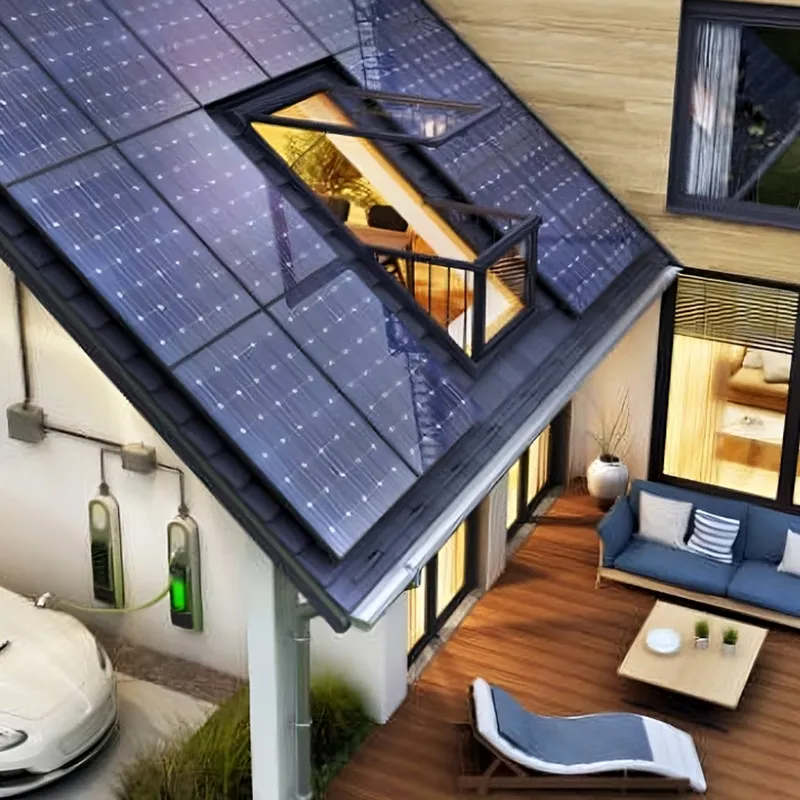
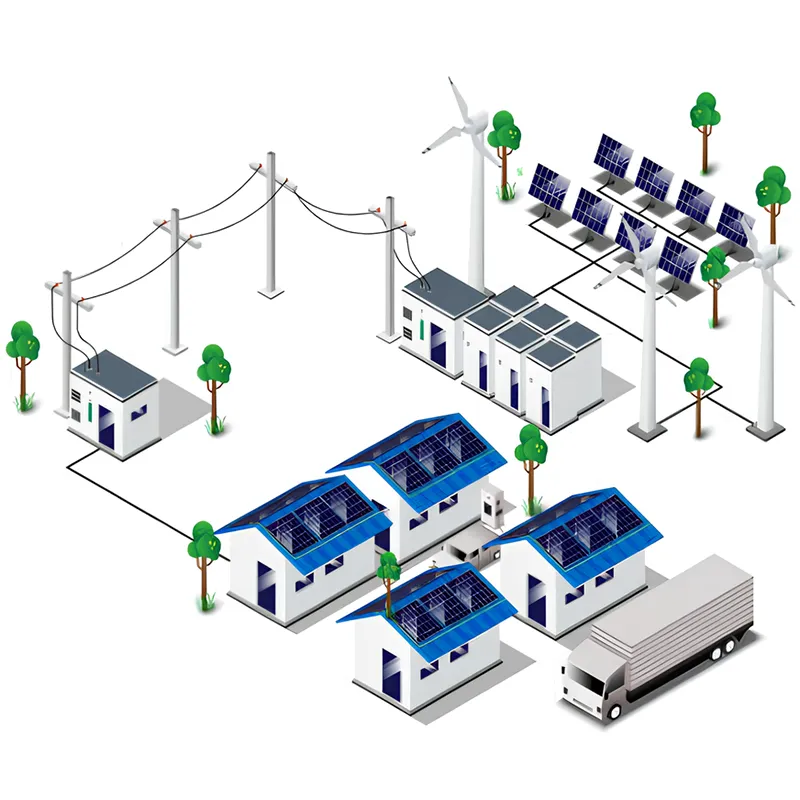
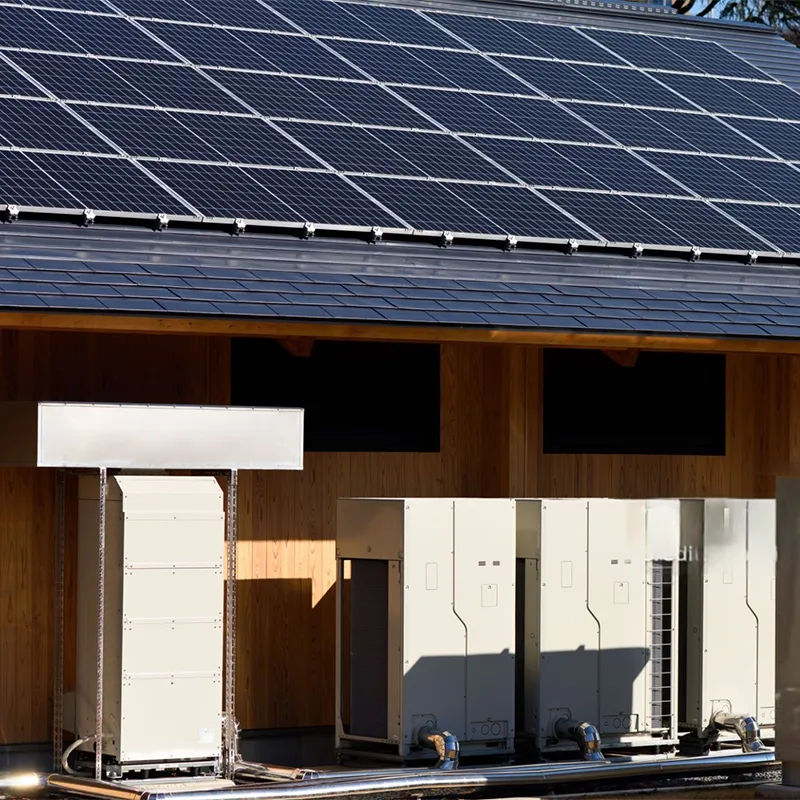
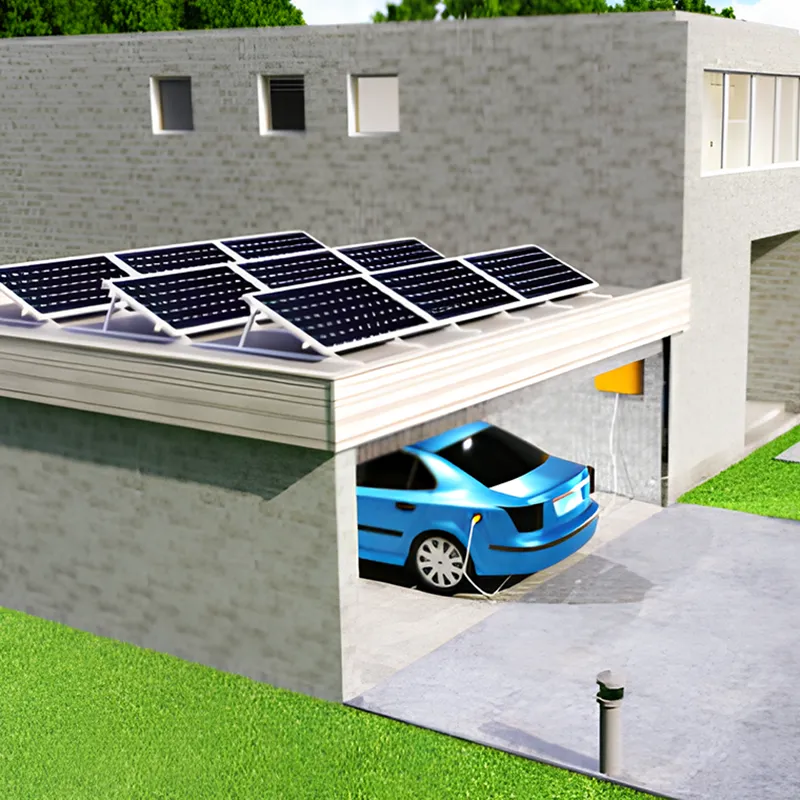
APPLICATIONS OF LEAPENERGY RESS IN EVERYDAY LIFE

The Emergence of Virtual Power Plants (VPP)
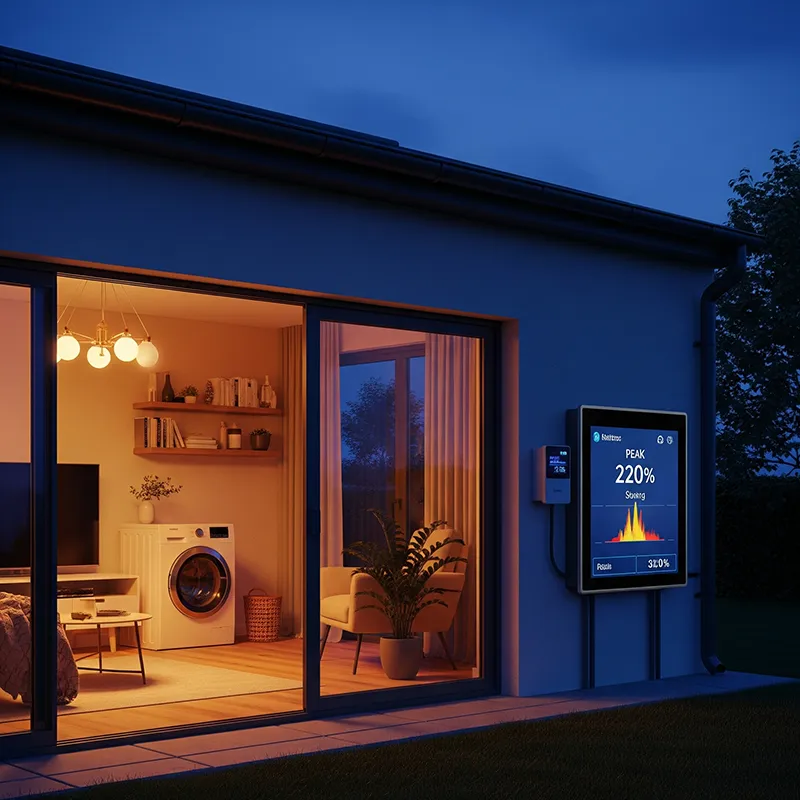
Virtual Power Plants (VPP) are quickly becoming a game-changer in the residential energy storage market. By linking multiple home battery systems and distributed energy resources like solar panels, VPPs create a flexible network that can be managed as a single power source. This setup not only boosts grid reliability but also offers homeowners new ways to earn money by participating in demand response programs or selling excess energy back to the grid.
For U.S. homeowners, VPP participation means more than just backup power—it’s about actively managing energy use to maximize savings and increase energy independence. Residential ESS equipped with smart home energy management systems (EMS) can automatically optimize charge and discharge cycles based on peak electricity pricing and grid needs, accelerating ROI through peak shaving and load shifting strategies.
As utilities push for cleaner, more resilient grids, residential battery storage connected through virtual power plants is a critical growth opportunity for both consumers and energy providers. Homeowners looking to upgrade their energy solutions should consider systems designed for seamless integration into VPPs, ensuring future-ready residential solar ESS that deliver both value and sustainability.
For deeper insight, check out this guide on EV battery pack certification—many principles overlap in ensuring safety and interoperability in energy storage networks.
Safety Standards and Certification Requirements
As residential energy storage systems become more common, safety standards and certifications are crucial to protect homeowners and ensure system reliability. Meeting these requirements isn’t just about compliance—it’s about creating trustworthy residential battery storage that lasts and performs safely.
Here are the key safety elements shaping the market by 2026:
| Safety Aspect | Description | Importance |
|---|---|---|
| Battery Safety Design | Robust casing and fire-resistant materials to prevent thermal runaway | Prevents fire risks |
| Thermal Management System | Keeps battery cells at optimal temperatures through cooling/heating | Extends battery life and reliability |
| Overcurrent & Short Circuit Protection | Built-in safeguards to stop dangerous electrical faults | Ensures user and device safety |
| Battery Management System (BMS) | Intelligent monitoring of voltage, temperature, and charge cycles | Maximizes cycle life and system health |
| Certification Compliance | UL 9540, UL 1973, and ISO 26262 for functional safety and performance | Validates safety and quality standards |
Adherence to these standards ensures residential ESS solutions can deliver safe, long service life batteries without compromising homeowner peace of mind. For U.S. households expecting backup power or daily energy management, investing in certified home energy storage systems means better protection against failures or hazards.
For deeper insights on safety certifications for energy storage, exploring UL 2580 and ISO 26262 EV battery certifications offers a clear view of applicable protocols that also cross over into residential systems.
Ultimately, choosing a provider committed to rigorous safety and certification protocols is a cornerstone for future-proofing your home power storage during this energy transition.
Critical Safety Protocols for 2026
Safety remains the top priority in residential energy storage systems as the market grows toward 2026. Homeowners and businesses expect reliable and secure home battery systems that prevent failures and risks like thermal runaway or fire.
Here are the key safety protocols shaping the residential ESS landscape:
| Safety Protocol | Description | Why It Matters |
|---|---|---|
| Thermal Runaway Protection | Advanced thermal management to avoid overheating | Prevents fires and extends battery life |
| Overcurrent & Short-Circuit Protection | Smart circuits that stop excessive current flow | Avoids equipment damage and electrical hazards |
| Intelligent Battery Management System (BMS) | Real-time monitoring of battery health and status | Ensures safe charging/discharging and longevity |
| Fire Safety Design | Use of flame-retardant materials and safe enclosures | Minimizes fire risks in extreme conditions |
| Certification Compliance | Meeting UL, IEC, and local safety standards | Guarantees product reliability and trust |
These protocols ensure your residential battery storage performs safely while maximizing cycle life and energy efficiency. The right battery safety design supports not only protection but also your system’s long-term reliability.
For OEMs designing safe, reliable battery packs, understanding these critical safety factors is crucial. Learn how battery disconnect units (BDUs) enhance EV safety—a concept applicable to advanced residential ESS for preventing faults and isolating battery modules during emergencies.
Safety standards keep evolving, so working with experienced residential ESS manufacturers familiar with these protocols helps secure your investment and peace of mind heading into 2026.
Intelligent Battery Management Systems (BMS)
A reliable battery management system (BMS) is crucial for any residential energy storage system, especially in 2026 when safety and performance standards are getting stricter. The BMS acts like the brain of your home battery system, protecting the lithium iron phosphate battery (LFP) from risks like overcharging, overheating, and deep discharge.
Key Roles of a BMS in Residential ESS:
| Function | Benefit |
|---|---|
| Voltage & Current Control | Prevents overcharge and overcurrent |
| Temperature Monitoring | Avoids thermal runaway, enhances safety |
| State of Charge (SoC) | Optimizes battery life performance |
| Cell Balancing | Ensures uniform charge cells |
| Fault Detection | Alerts to issues for preventive action |
In high-voltage battery storage systems, an intelligent BMS is more critical to manage the increased energy safely, maintaining thermal management systems to prevent failures.
For US homeowners investing in a solar plus storage solution, choosing systems with advanced BMS technology means better cycle life and system reliability—key to maximizing your return on investment while maintaining safety standards. Modern battery management systems also integrate seamlessly with smart home energy management systems (EMS) and hybrid solar inverters, making your residential ESS smarter and more efficient.
In short: an intelligent BMS is non-negotiable if you want peace of mind and top performance from your home power storage in 2026.
For more insights on the best battery suppliers providing advanced BMS technology, check out the detailed list of top residential ESS manufacturers and suppliers worldwide.
Regional Market Spotlights
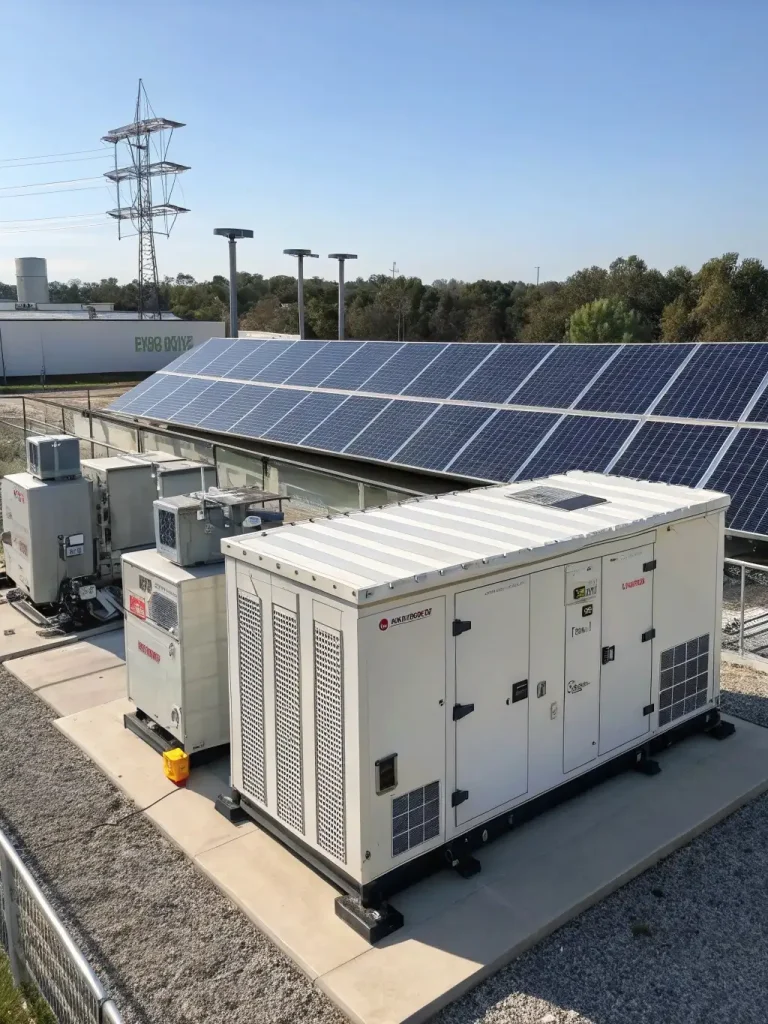
As we move toward 2026, the residential energy storage market shows distinct regional trends driven by local energy needs, policies, and infrastructure.
Europe:
Energy security concerns and soaring electricity prices are pushing homeowners to adopt retrofit photovoltaic battery systems. Many European countries focus on enhancing solar self-consumption and energy independence by integrating residential ESS into existing homes. These retrofit solutions offer a practical way to boost energy efficiency without complete system overhauls.
North America:
Backup power for critical loads is a top priority, especially given the rise in weather-related grid failures and blackouts. Residential battery storage systems are increasingly valued for their reliability in emergency power supply and seamless grid-tied energy storage integration. Solutions here emphasize fast-switching hybrid solar inverter efficiency and smart home energy management systems to maximize ROI and maintain comfort during outages.
Emerging Markets:
In rural and off-grid areas, residential energy storage offers a lifeline by powering homes without reliable grid access. Off-grid residential power backup solutions and microgrid systems provide much-needed energy independence to these communities. These markets are tapping into modular battery system designs and intelligent battery management systems to deliver affordable, scalable energy storage options tailored to local conditions.
Understanding these regional priorities helps homeowners and businesses choose the right residential energy solution that fits both their environment and energy goals.
Europe: Energy Security and High Electricity Prices Driving Retrofit Markets
In Europe, the push for energy security combined with soaring electricity prices is fueling a surge in residential battery storage retrofits. Many homeowners are upgrading existing solar systems with modern home battery systems to cut energy bills and increase grid independence. This retrofit trend enhances solar self-consumption by storing excess energy for use during peak hours, optimizing return on investment (ROI) under time-of-use tariff structures.
High electricity costs and supply uncertainties are making lithium iron phosphate (LiFePO4) batteries particularly popular due to their long cycle life and safety profile. Modular and stackable battery designs also appeal to European homeowners seeking scalable solutions tailored to their energy needs.
As residential ESS adoption grows, compliance with stringent certification requirements and safety standards remains critical. Homeowners increasingly look for intelligent battery management systems (BMS) and integrated PCS inverters to deliver reliable, efficient energy solutions.
For businesses and installers aiming to thrive in this retrofit market, partnering with experienced residential ESS OEM manufacturers who understand Europe’s evolving landscape is key. Leapenergy offers customization and quality-driven solutions that meet these demands.
Explore our expertise and tailored offerings designed to support your energy storage projects here.
North America: Backup Power for Critical Loads from Weather-Related Grid Failures
In North America, extreme weather events like storms, wildfires, and hurricanes are driving strong demand for reliable home battery systems. Homeowners and businesses increasingly rely on residential energy storage systems to ensure continuous power during grid outages. These systems provide essential backup power for critical loads—think refrigerators, medical devices, heating, and communication tools—helping families stay safe and connected.
With growing grid vulnerabilities, more people are investing in high-quality lithium iron phosphate (LiFePO4) batteries known for their long cycle life and safety features. The rise of smart home energy management systems (EMS) also supports better load prioritization and real-time energy monitoring, so customers can maximize their solar plus storage ROI while maintaining uninterrupted power.
Backup power solutions are not just for emergencies anymore—they’re becoming a standard part of a smarter, more resilient home energy system that adapts to North American climates and energy challenges. For those looking to prepare their homes for future grid instability, partnering with a trusted residential ESS manufacturer can ensure quality, safety, and scalability.
To explore customization and OEM capabilities that fit your unique energy needs, consider working with providers like LEAPENERGY, who prioritize innovation and reliable backup power solutions in the North American market. You can find more about their approach in the privacy policy and commitment to quality.
Emerging Markets: Off-Grid Power Systems and Rural Energy Solutions
In emerging markets, residential energy storage systems are game-changers, especially for off-grid power and rural energy solutions. Many areas still struggle with unreliable or no grid access, making home battery systems a vital source of consistent, clean energy.
Here’s why these markets lean heavily on residential ESS:
- Reliable Off-Grid Backup: Home energy storage ensures a steady power supply where the grid is weak or absent. This supports everyday needs like lighting, refrigeration, and communications.
- Renewable Energy Integration: Pairing solar panels with residential battery storage maximizes solar self-consumption. This lowers dependence on expensive, polluting diesel generators.
- Affordable Energy Access: Modular battery systems and stackable designs make energy storage scalable and accessible, matching various household budgets and energy demands.
- Rural Development Support: Reliable power improves community infrastructure, from schools to health clinics, creating better living standards and economic opportunities.
- Energy Independence: Off-grid residential power backup systems help users control their energy usage, reduce bills, and avoid fluctuating fuel prices.
For these markets, smart energy management systems combined with robust lithium iron phosphate batteries provide safety, long cycle life, and efficient performance. The focus is on durable, easy-to-install solutions that withstand tough conditions while delivering steady energy.
This trend shows strong growth potential as more emerging regions prioritize sustainable, off-grid energy solutions to fuel rural electrification and community resilience.
Why LEAPENERGY is the Partner for the Future
it comes to residential energy storage systems, LEAPENERGY stands out as a trusted partner for the U.S. market. Their focus on delivering reliable, high-quality home battery systems makes them a go-to choice for homeowners and businesses ready to embrace the energy transition.
Customization and OEM Capabilities
LEAPENERGY offers tailored residential ESS solutions that fit a wide range of needs—from simple backup power to advanced solar plus storage setups. Their OEM manufacturing expertise allows for customizable home energy storage systems that integrate smoothly with existing solar arrays, hybrid solar inverters, and EV home charging stations. This flexibility means you get a system designed specifically for your energy goals and usage patterns.
Commitment to Quality and Innovation
Safety and durability matter most in residential battery storage. LEAPENERGY’s LiFePO4 home battery products are built with long cycle life and thermal runaway protection, meeting rigorous safety standards. Their intelligent battery management systems (BMS) ensure maximum efficiency and system reliability, giving you peace of mind.
Plus, LEAPENERGY stays ahead with modular, stackable designs and integrated power control systems, keeping you ready for future upgrades without hassle.
In short, choosing LEAPENERGY means partnering with a residential energy storage provider that understands American households, supports your move toward energy independence, and delivers solutions designed for long-term value and safety.
Why LEAPENERGY is the Partner for the Future: Customization and OEM Capabilities
When it comes to residential energy storage systems, one size doesn’t fit all. LEAPENERGY understands this better than most. As a leading residential energy system supplier, they offer top-tier customization and OEM capabilities designed to meet the unique needs of U.S. homeowners and businesses.
Tailored Residential ESS Solutions
LEAPENERGY’s custom home battery systems are built with flexibility in mind. Whether you need a modular battery system for easy scaling or a high-voltage battery system for greater power output, they can design a solution that fits your energy usage and space requirements perfectly. This means you get a home battery system that truly matches your lifestyle, whether it’s for backup power, solar self-consumption, or EV home charging integration.
OEM Capabilities for OEM Manufacturers
For residential energy storage manufacturers and system integrators, LEAPENERGY delivers reliable home energy storage OEM services. Their expertise includes everything from lithium iron phosphate batteries (LFP) with long cycle life to intelligent battery management systems (BMS) that ensure safety and efficiency. This makes LEAPENERGY a trusted partner for bringing high-quality, scalable residential ESS products to market quickly and effectively.
Benefits You’ll Appreciate
- Flexible designs: Stackable modular battery options and hybrid solar inverter support.
- Quality you can trust: Robust battery safety designs and thermal runaway protection standards.
- System integration: Seamless compatibility with smart home energy management systems (EMS) and time-of-use tariff optimization tools.
- Speed to market: Efficient OEM manufacturing that keeps your projects on schedule.
In a market moving fast toward cleaner, smarter energy solutions, partnering with LEAPENERGY means you’re backed by experience, innovation, and a commitment to produce residential ESS solutions that work for you. From residential battery storage tailored to your home to customized wholesale energy systems, LEAPENERGY delivers on the promise of safe, efficient, and flexible energy storage.
Commitment to Quality and Innovation
When it comes to residential energy storage systems, LEAPENERGY stands out because of its strong commitment to quality and innovation. We know that homeowners and businesses in the U.S. need reliable, long-lasting home battery systems that keep their energy flowing smoothly, especially during outages or peak electricity times. That’s why LEAPENERGY focuses on top-tier manufacturing standards and cutting-edge technology to deliver residential ESS solutions that meet these needs.
Our lithium iron phosphate batteries (LiFePO4) are designed for durability and safety, offering longer cycle life and better thermal management compared to traditional chemistries. This means you get a safe, efficient, and high-energy-density battery that holds up over time. We also innovate by integrating smart energy management systems and hybrid solar inverter solutions that make the most of your solar plus storage setup. These technologies boost charge and discharge efficiency, helping you maximize your solar self-consumption and lower your energy bills.
LEAPENERGY’s residential ESS factory uses precise quality controls to ensure every home battery system performs reliably. Plus, our modular and stackable designs let you customize your storage capacity to fit your household’s unique energy demands. We’re constantly evolving to align with new safety standards and certification requirements, including advanced battery management systems (BMS) that protect against overcurrent and thermal runaway.
Choosing LEAPENERGY means partnering with a residential energy storage manufacturer that delivers dependable, innovative products aligned with the future of home energy solutions. We support you through every step—from OEM customization to installing a smart home energy storage system built for today’s and tomorrow’s energy challenges.
Preparing Your Home or Business for the Energy Transition
As we look toward 2026, the residential energy storage market is evolving fast. Whether you’re a homeowner or run a small business, embracing a residential energy storage system is no longer just a backup plan—it’s a smart move for energy independence, cost savings, and reliability. By investing in a home battery system with modern features like LiFePO4 batteries, hybrid solar inverters, and smart energy management systems, you’re future-proofing your property against rising electricity prices and grid instability.
To prepare your home or business for this energy transition:
- Consider solar plus storage solutions to maximize your solar self-consumption and reduce reliance on the grid.
- Use time-of-use tariff optimization to get the most out of your battery during peak electricity pricing.
- Look for modular, stackable battery designs that grow with your energy needs.
- Prioritize safety by choosing systems with advanced battery management systems (BMS) and certifications meeting 2026 standards.
- Explore virtual power plant (VPP) participation for new revenue and grid support opportunities.
- And if you drive an EV, ensure your system supports EV home charging integration for seamless energy use.
Getting on board with residential ESS now means you’ll save on electric bills, reduce your carbon footprint, and maintain power during outages. For the U.S. market, with increasing grid challenges and evolving incentives, this is the right time to act.
In short, upgrading to a reliable home power storage system is a practical step towards energy resilience and smart energy use in the years ahead. Whether retrofitting an existing PV system or starting fresh, smart energy storage solutions will empower you to take control of your energy future.
 English
  German
  Chinese
  Spanish